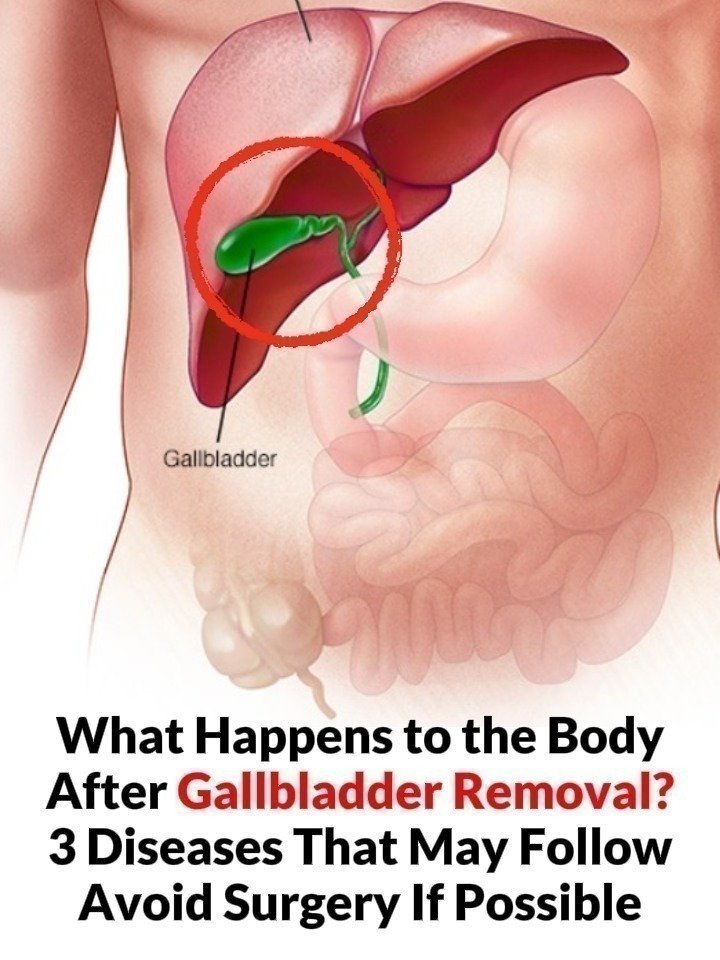
Gallbladder removal (cholecystectomy) is a common surgery, especially for those who have gallstones or other issues like inflammation or infection of the gallbladder. While the surgery can provide relief for many, it’s not without potential long-term effects. Here are three conditions that could develop after gallbladder removal, and why you might want to avoid surgery if possible:
1. Digestive Issues (Bile Salt Malabsorption and Diarrhea)
- What happens: After the gallbladder is removed, bile, which is necessary for digesting fats, is no longer stored in the gallbladder and is continuously released from the liver into the small intestine. This can lead to a disruption in how your body processes fats.
- Possible symptoms:
- Diarrhea (sometimes referred to as post-cholecystectomy diarrhea)
- Bloating, cramping, and indigestion, especially after fatty meals
- Why it happens: Without the gallbladder, bile doesn’t get stored and released in regulated amounts, leading to an overload in the small intestine. This can cause the body to have difficulty absorbing fat and nutrients properly.
- How to manage: Sometimes a change in diet (e.g., avoiding fatty foods) can help manage these symptoms. In some cases, bile acid sequestrants (medications that bind bile acids) can be prescribed.
2. Sphincter of Oddi Dysfunction (SOD)
- What happens: The Sphincter of Oddi is a valve that controls the flow of bile and pancreatic juice into the small intestine. When the gallbladder is removed, this sphincter can sometimes malfunction, causing a backup of bile or digestive enzymes.
- Symptoms:
- Abdominal pain (similar to gallbladder pain)
- Nausea
- Vomiting
- Why it happens: After gallbladder removal, the sphincter may not function as well, leading to spasms or improper regulation of bile release. This can lead to symptoms like upper abdominal pain and bloating, especially after eating.
- Management: Sphincter of Oddi dysfunction can sometimes be treated with medications like muscle relaxants or antispasmodics, though in some cases, further surgical intervention may be needed.
3. Increased Risk of Gallstones in the Bile Duct (Choledocholithiasis)
- What happens: Even after the gallbladder is removed, there’s still a chance that gallstones can form in the bile ducts. These stones may block the flow of bile or cause inflammation.
- Symptoms:
- Pain in the upper right abdomen
- Jaundice (yellowing of the skin or eyes)
- Fever or chills
- Why it happens: Without the gallbladder, bile is constantly flowing into the intestines, which can lead to the formation of stones in the bile ducts. This can lead to conditions like bile duct obstruction or cholangitis (infection of the bile ducts).
- Management: If stones develop, they may need to be removed through procedures like endoscopic retrograde cholangiopancreatography (ERCP) or, in more severe cases, surgery.
Why You Might Want to Avoid Gallbladder Removal
- Risks of Surgery: Like any surgery, there are risks involved, such as infection, bleeding, and anesthesia complications.
- Long-Term Side Effects: As discussed, digestive issues, bile duct problems, and other complications may occur long after the surgery.
- Impact on Quality of Life: If you develop long-term digestive issues, it can affect your quality of life, especially when it comes to eating certain foods. People may also experience ongoing discomfort or pain if issues like Sphincter of Oddi Dysfunction occur.
Alternatives to Gallbladder Removal
If you’re considering gallbladder surgery, here are some alternatives that may be worth discussing with your doctor:
- Medications to dissolve gallstones (though this can take time and isn’t effective for all types of stones).
- Dietary changes to manage gallstones, such as avoiding high-fat foods and eating smaller, more frequent meals.
- Endoscopic procedures to remove stones without removing the gallbladder.
Conclusion
While gallbladder removal can provide relief for people with chronic gallstones or other gallbladder issues, it can also lead to several long-term complications. If you have the option, it’s worth exploring all alternatives before deciding to go ahead with the surgery. Discussing the pros and cons with a healthcare professional is crucial to making the best decision for your health.
