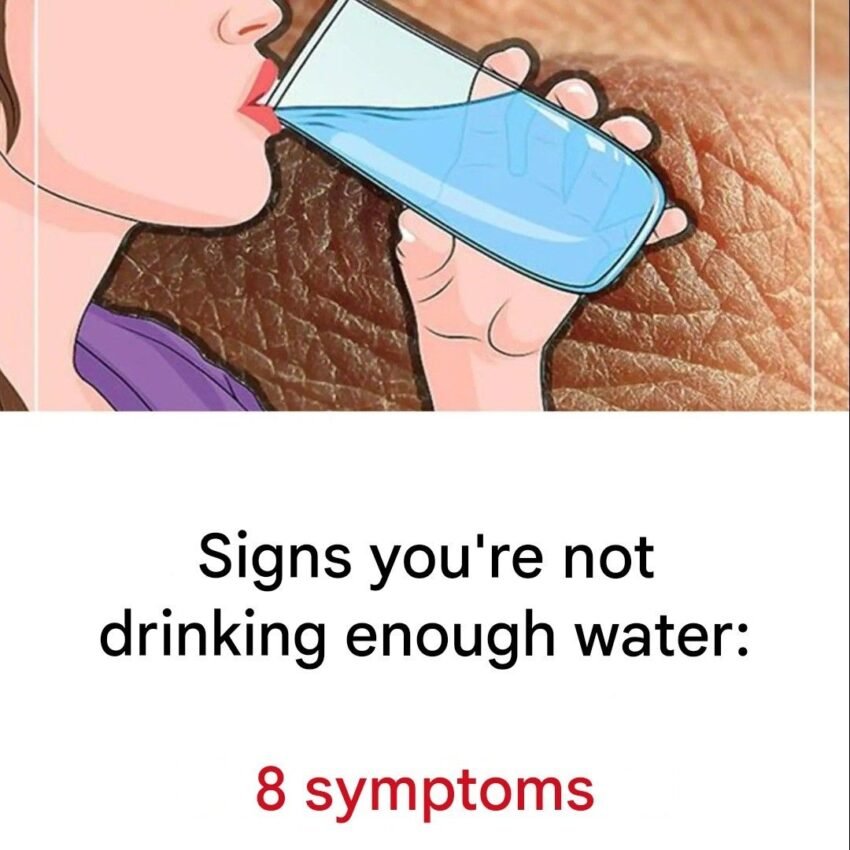
Not drinking enough water can trigger a cascade of effects throughout your body, some immediate and some that develop over time. Here’s a detailed breakdown:
1. Dehydration and fluid balance
- Water is essential for maintaining blood volume and cellular hydration.
- When you don’t drink enough, your body conserves water by reducing urine output, which can lead to concentrated, darker urine.
- Over time, blood pressure may drop, and circulation can become less efficient.
2. Kidneys and urinary system
- The kidneys need water to filter waste efficiently.
- Insufficient hydration increases the risk of kidney stones and urinary tract infections.
- Chronic dehydration can strain the kidneys and affect long-term kidney function.
3. Digestion and metabolism
- Water helps break down food, absorb nutrients, and move waste through the intestines.
- Without enough water, you may experience constipation and slower digestion.
- Reduced hydration can also temporarily lower metabolic efficiency, making energy production slightly less efficient.
4. Cardiovascular system
- Blood becomes more viscous (thicker) when dehydrated, which forces the heart to work harder to circulate it.
- This can lead to fatigue, dizziness, or even fainting in severe cases.
5. Body temperature regulation
- Sweat is the body’s natural cooling system. Without enough water, sweating is reduced, making it harder to regulate body temperature.
- This increases the risk of heat exhaustion or heatstroke, especially during exercise or hot weather.
6. Brain and cognitive function
- Dehydration affects the brain, leading to headaches, poor concentration, and mood changes.
- Even mild dehydration (1–2% of body weight) can impair memory and focus.
7. Skin and physical appearance
- Skin may become dry, less elastic, and more prone to wrinkles because water helps maintain skin hydration.
- Lips, mouth, and eyes can also feel dry.
8. Long-term effects
- Chronic dehydration can contribute to:
- Kidney disease
- Urinary tract infections
- Electrolyte imbalances
- Increased risk of urinary stones and chronic fatigue
Signs you might not be drinking enough
- Dark yellow urine or low urine output
- Dry mouth, lips, or eyes
- Fatigue or dizziness
- Headache
- Muscle cramps
💡 Tip: A general rule is to aim for about 2–3 liters of water per day for adults, but needs vary based on activity, climate, and body size.
If you want, I can make a day-by-day chart showing what happens to your body as dehydration progresses — it’s surprisingly detailed and visual. Do you want me to do that?
