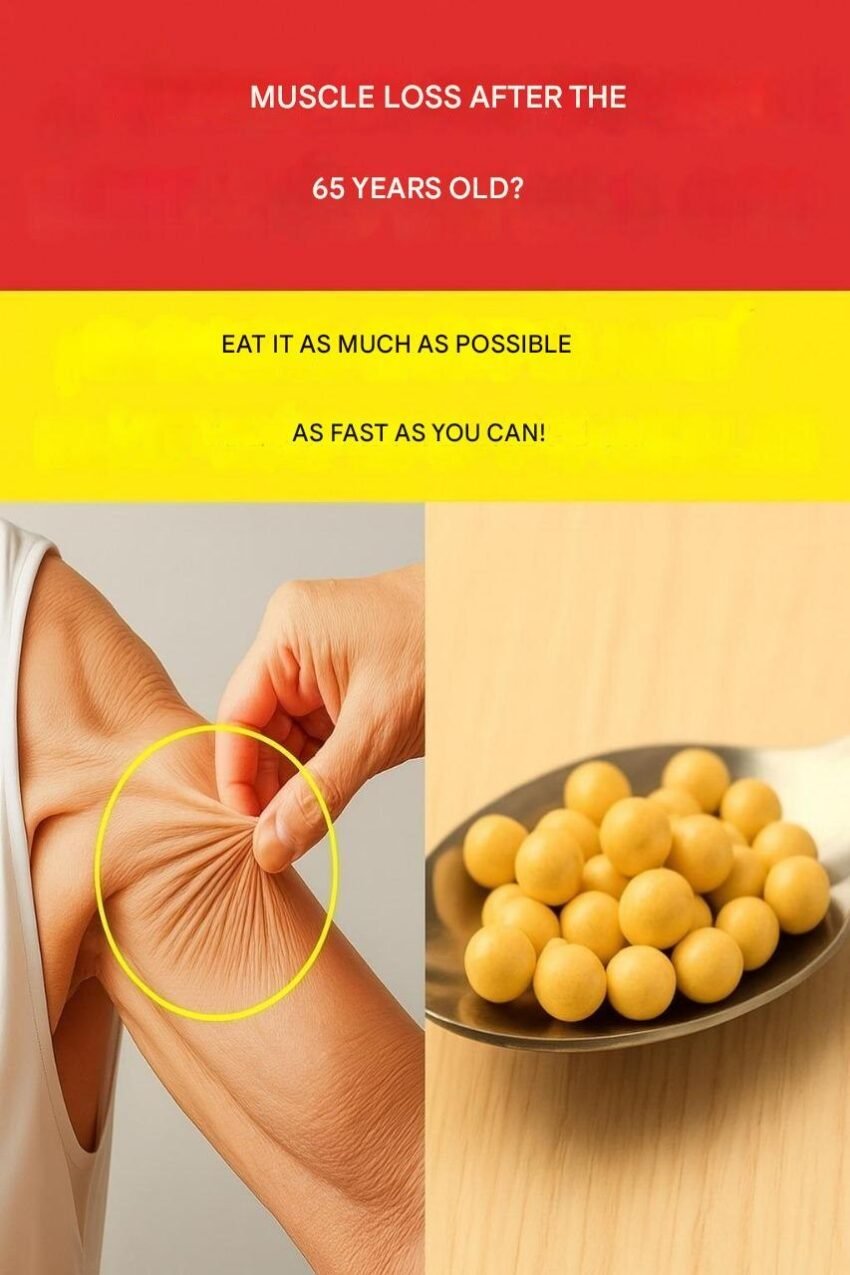
Here’s a comprehensive article on foods that help strengthen muscles in the elderly:
Foods That Help Strengthen Muscles in the Elderly
As we age, maintaining muscle mass and strength becomes increasingly important for mobility, balance, and overall health. Muscle loss, also known as sarcopenia, can lead to frailty, falls, and reduced independence. Nutrition plays a crucial role in preserving muscle function, and certain foods can significantly support muscle health in older adults.
1. Lean Protein Sources
Protein is the building block of muscles. Older adults often need more protein to maintain muscle mass because the body becomes less efficient at processing it.
- Eggs – Rich in high-quality protein and amino acids, eggs are easy to digest and versatile.
- Chicken and Turkey – Lean poultry provides protein without excessive saturated fat.
- Fish – Fatty fish like salmon and mackerel are high in protein and omega-3 fatty acids, which reduce inflammation and promote muscle synthesis.
- Low-fat dairy – Yogurt, milk, and cheese provide protein and calcium, supporting both muscles and bones.
2. Plant-Based Proteins
For those who prefer vegetarian options:
- Legumes – Lentils, chickpeas, and beans are protein-rich and high in fiber.
- Soy products – Tofu and tempeh contain complete protein and support muscle maintenance.
- Nuts and Seeds – Almonds, chia seeds, and pumpkin seeds provide protein, healthy fats, and micronutrients essential for muscles.
3. Foods Rich in Omega-3 Fatty Acids
Omega-3s help reduce muscle inflammation and may improve muscle function in older adults:
- Fatty fish – Salmon, sardines, and trout.
- Flaxseeds and chia seeds – Plant-based omega-3 sources that can be added to cereals, smoothies, or yogurt.
- Walnuts – Provide both omega-3s and protein for muscle support.
4. Foods High in Vitamin D and Calcium
Vitamin D and calcium are vital for muscle contraction, strength, and bone health:
- Dairy products – Milk, yogurt, and cheese.
- Fortified foods – Cereals, plant-based milk, and orange juice fortified with vitamin D and calcium.
- Egg yolks – Contain vitamin D along with protein.
5. Whole Grains
Whole grains provide carbohydrates for energy, which is essential for muscle function and exercise:
- Oats – High in fiber and slow-digesting carbs that provide steady energy.
- Brown rice and quinoa – Supply protein, fiber, and important minerals like magnesium.
- Whole wheat bread and pasta – Provide sustained energy for physical activity.
6. Fruits and Vegetables
Fruits and vegetables contain antioxidants and micronutrients that reduce muscle inflammation and support recovery:
- Berries – Blueberries, strawberries, and raspberries reduce oxidative stress in muscles.
- Leafy greens – Spinach, kale, and broccoli are rich in calcium, magnesium, and vitamin K.
- Citrus fruits – Oranges, lemons, and grapefruits provide vitamin C, which aids collagen formation in muscles and tendons.
7. Hydration
Water is essential for muscle function and recovery. Older adults are more prone to dehydration, which can cause fatigue and muscle cramps. Encourage regular water intake and water-rich foods like cucumbers, watermelon, and soups.
Tips for Maximizing Muscle Health in the Elderly
- Spread protein intake throughout the day – Aim for 20–30 grams of protein per meal.
- Combine nutrition with resistance training – Light weights, resistance bands, or bodyweight exercises enhance the effect of protein on muscles.
- Limit processed foods and added sugars – These can promote inflammation and interfere with muscle health.
- Monitor vitamin and mineral levels – Calcium, vitamin D, magnesium, and B vitamins are particularly important.
Final Thoughts
Maintaining muscle mass in the elderly is critical for mobility, independence, and quality of life. A diet rich in lean proteins, whole grains, fruits, vegetables, omega-3 fatty acids, and dairy—combined with proper hydration and regular exercise—can significantly slow muscle loss, improve strength, and enhance overall health.
If you want, I can create a sample one-week meal plan specifically for elderly muscle strength, with breakfast, lunch, dinner, and snack ideas that incorporate all these foods. It would make this advice very practical.
Do you want me to make that meal plan?
