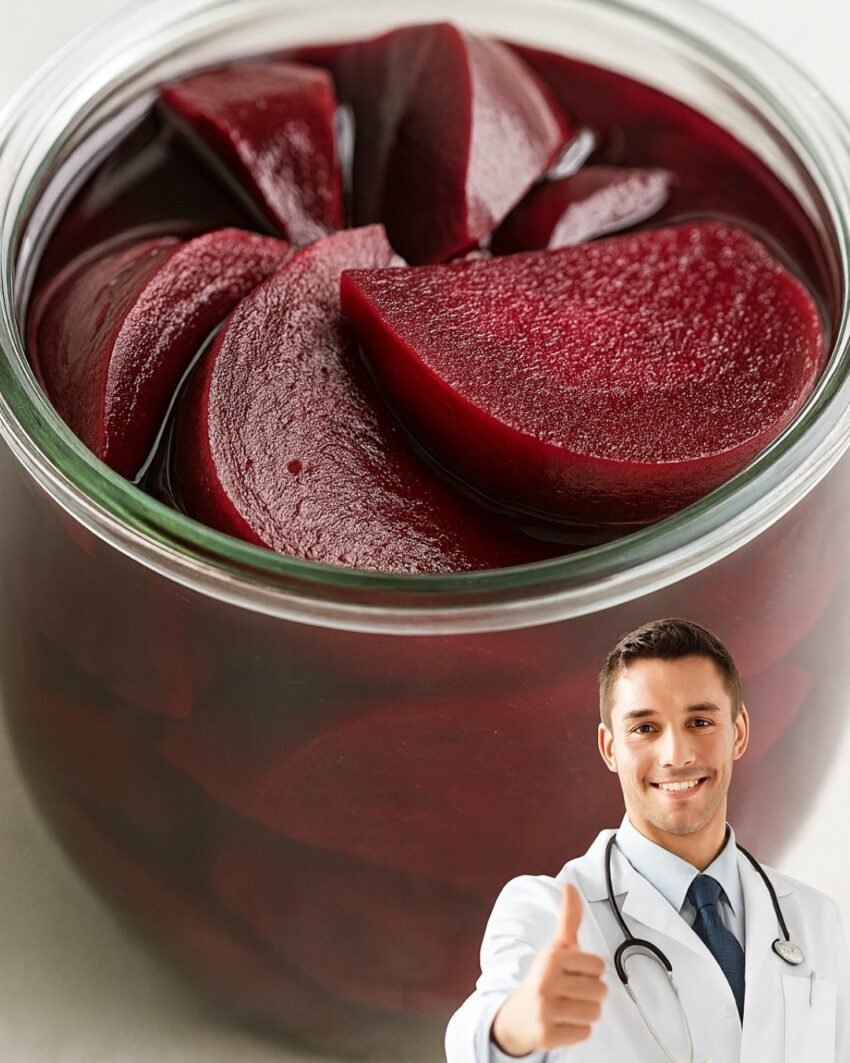
Eating beets regularly can have a wide range of effects on the body, many of which are highly beneficial due to their rich nutrient and antioxidant profile. Here’s a detailed breakdown:
1. Nutritional Profile of Beets
One cup (136 g) of boiled beets contains approximately:
- Calories: 59 kcal
- Carbohydrates: 13 g (mostly natural sugars)
- Fiber: 4 g
- Protein: 2 g
- Fat: 0.2 g
- Vitamins & minerals: folate, vitamin C, potassium, manganese, iron, magnesium
- Phytonutrients: betalains (antioxidants that give beets their deep red color)
2. Health Benefits of Eating Beets
a) Supports Heart Health
- Beets are rich in nitrates, which the body converts to nitric oxide, a compound that relaxes and dilates blood vessels.
- This can lower blood pressure and improve overall cardiovascular health.
b) Enhances Exercise Performance
- Nitric oxide improves blood flow and oxygen delivery to muscles, enhancing stamina and endurance.
- Popular among athletes as a natural performance booster.
c) Anti-Inflammatory and Antioxidant Effects
- Betalains in beets reduce oxidative stress and inflammation, potentially lowering the risk of chronic diseases.
d) Supports Brain Health
- Improved blood flow from nitrates may also enhance cognitive function and reduce age-related decline.
e) Promotes Digestive Health
- High fiber content supports healthy gut motility and can prevent constipation.
- Fermented beet products like beet kvass can support beneficial gut bacteria.
f) Detoxification
- Betalains support liver detoxification, aiding the body in removing toxins.
g) May Aid Blood Sugar Control
- Moderate beet intake may help improve insulin sensitivity, though they contain natural sugars, so portion control matters for diabetics.
3. Potential Risks or Side Effects
a) Beeturia
- Eating beets can turn urine or stool pink or red, which is harmless but can be alarming.
b) Oxalates
- Beets are high in oxalates, which may contribute to kidney stone formation in susceptible individuals.
c) Digestive Discomfort
- Some people may experience gas or bloating if they consume large amounts.
d) Blood Pressure
- Because beets lower blood pressure, people on antihypertensive medications should monitor levels to avoid hypotension.
4. Best Ways to Eat Beets
- Raw: Grated in salads for maximum vitamin C and fiber.
- Boiled/Steamed: Preserves nutrients but reduces vitamin C slightly.
- Juiced: Quick absorption, but higher sugar concentration.
- Roasted: Sweet and flavorful, still nutrient-dense.
- Pairs Well With: Greens, citrus, nuts, and seeds for balanced meals.
✅ Key Takeaways
- Beets are heart-friendly, anti-inflammatory, support digestion, and may boost exercise performance.
- Typical servings (1 cup/day) are safe for most people.
- Watch for beeturia, kidney stones in susceptible individuals, and blood pressure interactions.
If you want, I can make a full list of “what happens to your body when you eat beets daily for a month” with timelines for each effect—it’s surprisingly visual and practical.
Do you want me to create that?
