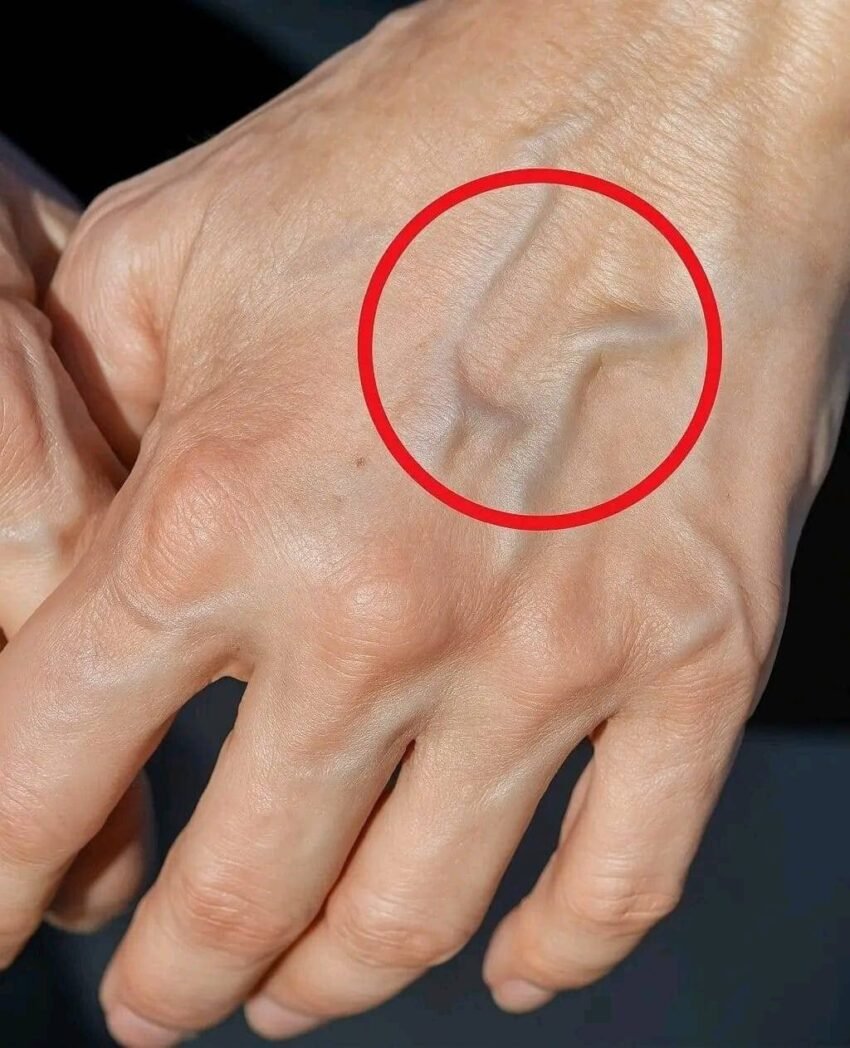
Visible veins are very common and don’t automatically signal a health problem. What they “mean” depends on several factors: genetics, body composition, and lifestyle. Here’s a detailed breakdown:
1. Genetics & Skin Type
- Thin or fair skin: Veins are more easily seen under lighter or thinner skin.
- Family trait: If your parents have visible veins, you likely will too.
2. Body Fat
- Low body fat makes veins more prominent because there’s less fat between skin and veins.
- Many athletes or fit people have highly visible veins, especially in arms, hands, and legs.
3. Age
- As we age, skin thins and loses elasticity, making veins stand out more.
4. Exercise & Blood Flow
- Veins dilate during exercise to increase blood flow.
- After working out, veins may appear “pumped” and more noticeable.
5. Temperature
- Heat makes veins expand and more visible.
- Cold causes them to constrict, so they may temporarily disappear.
6. Medical Considerations
Visible veins are usually normal, but watch for:
- Pain, swelling, or redness
- Bulging, twisted veins (varicose veins)
- Rapid changes in size or color
Conditions linked to prominent veins:
- Varicose veins
- Circulatory issues
- Hormonal changes (pregnancy, hormone therapy)
✅ Bottom Line
Visible veins usually mean:
- Low body fat / lean muscle
- Thin or aging skin
- Increased blood flow (exercise, heat)
- Genetic predisposition
Most often, they’re normal and healthy, not a sign of disease. Only if accompanied by pain, swelling, or discoloration should you consult a doctor.
If you want, I can explain why some people have super prominent veins in their hands or forearms even without being muscular, which is surprisingly common.
