Here’s a detailed overview-style article on “The Hidden Language of Chin Hair: Biology, Identity, and Health”:
The Hidden Language of Chin Hair: Biology, Identity, and Health
Chin hair—often dismissed as a minor cosmetic concern—can actually reveal fascinating insights into our biology, identity, and health. What grows on the chin, and why, tells a story about hormones, genetics, and even aging.
1. Biology of Chin Hair
Chin hair is a type of terminal hair, meaning it is thicker, darker, and longer than the fine vellus hair that covers much of the body. Its growth is largely regulated by androgens, primarily testosterone and dihydrotestosterone (DHT).
- In men: Chin hair growth is part of normal male secondary sexual characteristics. Genetics largely determine the density and pattern of facial hair.
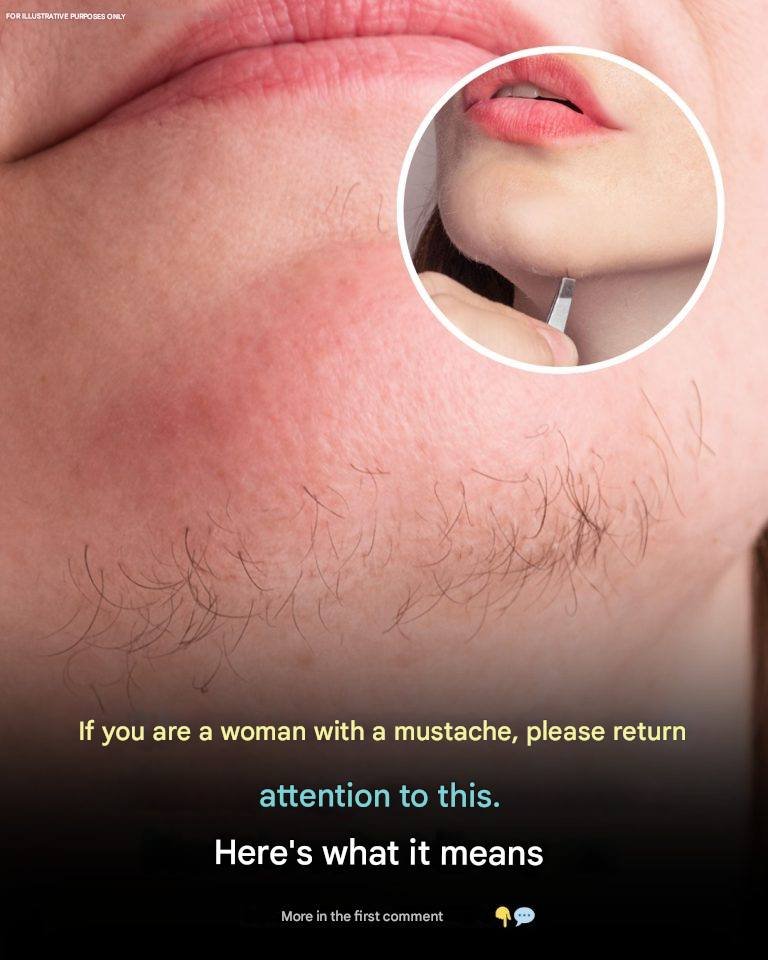
- In women: Visible chin hair, especially after menopause, can indicate hormonal shifts, such as decreased estrogen or increased androgen activity.
Key factors affecting chin hair:
- Genetics: Inherited patterns dictate density and growth direction.
- Age: Hair follicles may become more active or dormant over time.
- Hormones: Androgen levels influence hair thickness and growth speed.
2. Chin Hair and Identity
Facial hair can be a powerful marker of personal and cultural identity.
- Cultural norms: In some cultures, chin hair is a symbol of maturity, wisdom, or masculinity.
- Gender identity: Choices about removing or keeping chin hair can reflect gender expression or personal aesthetics.
- Self-perception: Visible facial hair in women can affect confidence and social experiences due to societal beauty standards.
This intersection of biology and identity makes chin hair more than just a cosmetic detail—it becomes part of one’s self-expression.
3. Chin Hair and Health Indicators
Unexpected changes in chin hair can sometimes signal underlying health issues:
- Hormonal Imbalances:
- Excessive hair in women (hirsutism) may indicate polycystic ovary syndrome (PCOS) or other androgen-related conditions.
- Aging:
- Menopause and aging in women can trigger increased chin hair growth due to relative androgen dominance.
- Medication Effects:
- Certain drugs, such as anabolic steroids or hormone therapies, can stimulate hair growth.
- Nutritional Status:
- Deficiencies in zinc, vitamin D, or protein can affect hair growth quality.
Regular observation of facial hair changes can help detect subtle hormonal or metabolic shifts before they manifest as larger health concerns.
4. Management and Care
Depending on personal preference or health needs, chin hair can be:
- Removed: Shaving, waxing, threading, or laser hair removal.
- Monitored: Keeping track of growth patterns can provide early signs of hormonal changes.
- Embraced: Choosing to keep facial hair can align with identity, culture, or personal aesthetics.
5. Conclusion
Chin hair is far more than a cosmetic curiosity. It reflects genetic heritage, hormonal balance, aging, and personal identity. Observing its patterns and changes can provide both aesthetic and health insights. By paying attention to this small but telling detail, we unlock a subtle language that the body has been speaking all along.
If you want, I can also create a scientific + cultural infographic showing how chin hair correlates with hormones, age, gender, and health markers. It would make the article visually engaging and easy to digest.
Do you want me to make that infographic?
