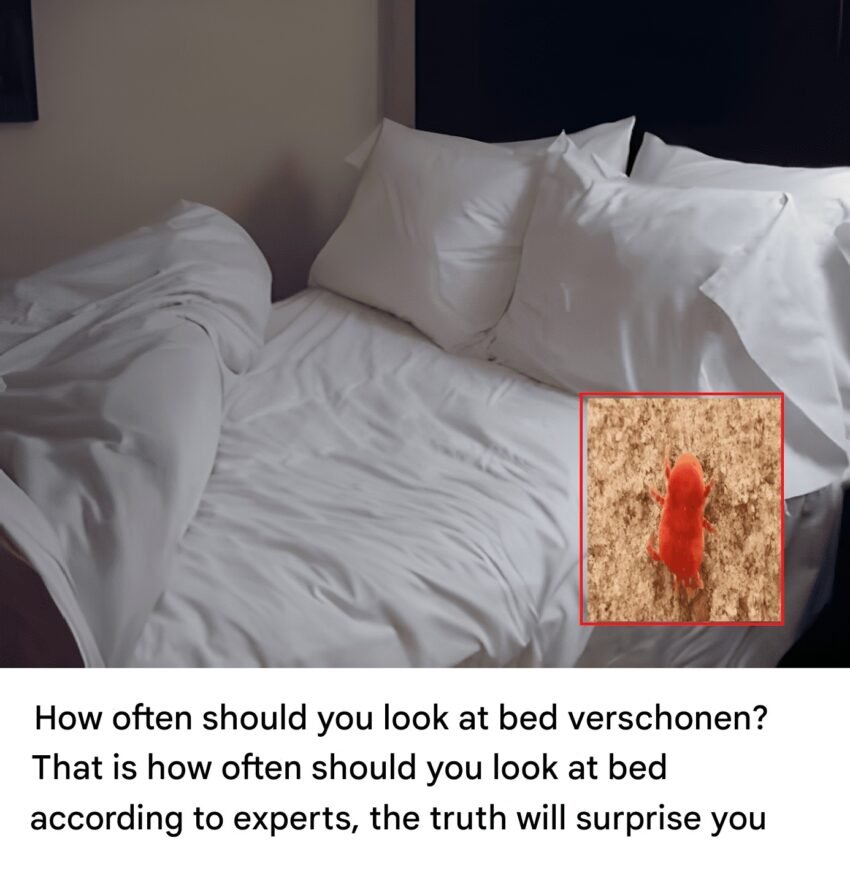
Here’s a detailed guide on how often you should really change your bed sheets, with explanations from hygiene and health experts:
1. Standard Recommendation
- Most experts recommend washing bed sheets once every 1–2 weeks.
- Pillowcases may need more frequent washing (every 3–4 days) because they are in direct contact with your face and hair, collecting oils, sweat, and skin cells.
2. Why Frequent Washing Matters
Even if your sheets look clean, they can harbor:
- Dead skin cells – the average person sheds millions each night.
- Sweat and body oils – which attract dust mites and bacteria.
- Dust mites and allergens – can trigger allergies or asthma.
- Bacteria and fungi – including Staphylococcus, which can cause skin infections.
- Bed bugs or other pests – less common but possible.
Washing regularly helps reduce allergens, odors, and bacteria, keeping your sleep environment healthier.
3. Factors That Change How Often You Should Wash
- Sweat a lot at night → wash sheets weekly.
- Skin conditions (acne, eczema) → wash sheets more often (1–3 times per week).
- Illness → wash sheets immediately after being sick.
- Pets in bed → wash sheets weekly, more if pets shed heavily.
- Hot/humid climates → sweat and moisture build-up → wash more often.
4. Best Practices for Washing Sheets
- Use hot water (130°F / 54°C) to kill dust mites and bacteria.
- Dry completely to prevent mold or mildew.
- Avoid fabric softeners on sheets that trap dust or reduce absorbency.
- Consider rotating sets of sheets to give them time between washes.
5. Signs You Should Wash Immediately
- Odor or visible stains
- Excessive hair, skin flakes, or dust accumulation
- Allergies flaring up at night
- Pets shedding heavily on the bed
✅ Bottom Line
- Most people: Wash sheets every 1–2 weeks.
- High sweat, skin issues, pets, or illness: Wash weekly or more.
- Pillowcases should ideally be washed every 3–4 days.
If you want, I can make a practical chart showing exactly when to wash sheets, pillowcases, and blankets depending on lifestyle, climate, and habits—so you never have to guess again.
Do you want me to make that chart?
