Here’s a clear, article-style explanation you can use or read:
Why Do Your Hands “Fall Asleep”? Causes, Risks, and When to Worry
Many people experience the strange sensation of their hands “falling asleep”—a mix of numbness, tingling, or pins and needles. While it can feel alarming, this sensation is usually harmless and temporary. However, in some cases, it may signal an underlying health issue.
What Does It Mean When Your Hands Fall Asleep?
The sensation is medically known as paresthesia. It typically occurs when pressure is placed on a nerve or when blood flow to a certain area is reduced. This can happen if you sleep on your arm, rest your elbow awkwardly, or hold a position for too long.
Once the pressure is relieved, normal sensation usually returns within a few minutes.
Common Causes
- Nerve Compression
The most frequent cause is pressure on nerves in the arm, wrist, or hand. Everyday habits like leaning on your elbow or sleeping in a tight position can trigger it. - Carpal Tunnel Syndrome
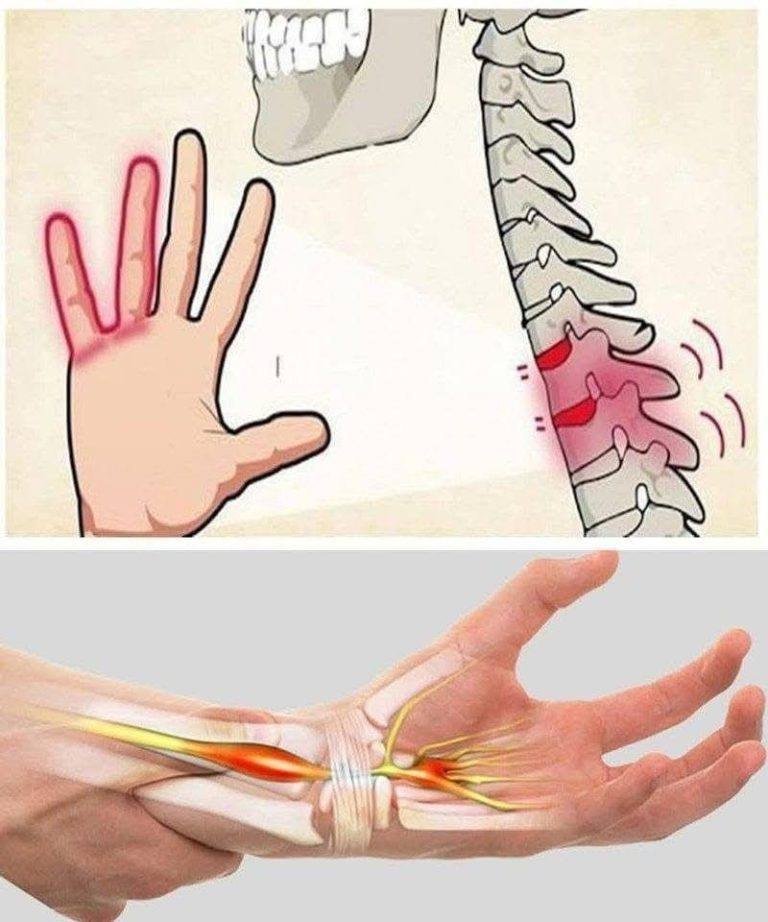
This condition occurs when the median nerve is compressed at the wrist. It often causes tingling, numbness, and weakness, especially in the thumb, index, and middle fingers. - Poor Circulation
Restricted blood flow due to posture or tight clothing can lead to temporary numbness. - Vitamin Deficiencies
A lack of vitamin B12 can affect nerve health and lead to persistent tingling or numbness. - Nerve Disorders
Conditions like Peripheral Neuropathy can cause chronic numbness, often linked to diabetes or other metabolic issues. - Neck or Spine Problems
Issues such as a pinched nerve in the neck can send tingling sensations down the arms into the hands.
When Is It a Warning Sign?
Occasional numbness is normal. However, you should pay attention if:
- It happens frequently without an obvious cause
- The sensation lasts longer than a few minutes
- You experience weakness or loss of grip strength
- Symptoms affect both hands regularly
- It interferes with daily activities or sleep
These signs could indicate a more serious condition that requires medical evaluation.
How to Prevent It
- Avoid sleeping on your arms
- Maintain good posture, especially while working
- Take breaks from repetitive hand movements
- Stretch your hands and wrists regularly
- Ensure a balanced diet with enough vitamins
Conclusion
Most of the time, hands falling asleep is simply a result of temporary nerve pressure and not a cause for concern. However, persistent or unexplained symptoms shouldn’t be ignored. Understanding the difference can help you decide when it’s harmless—and when it’s time to seek medical advice.
If you want, I can turn this into a shorter social media post or tailor it for a specific audience (students, office workers, etc.).
