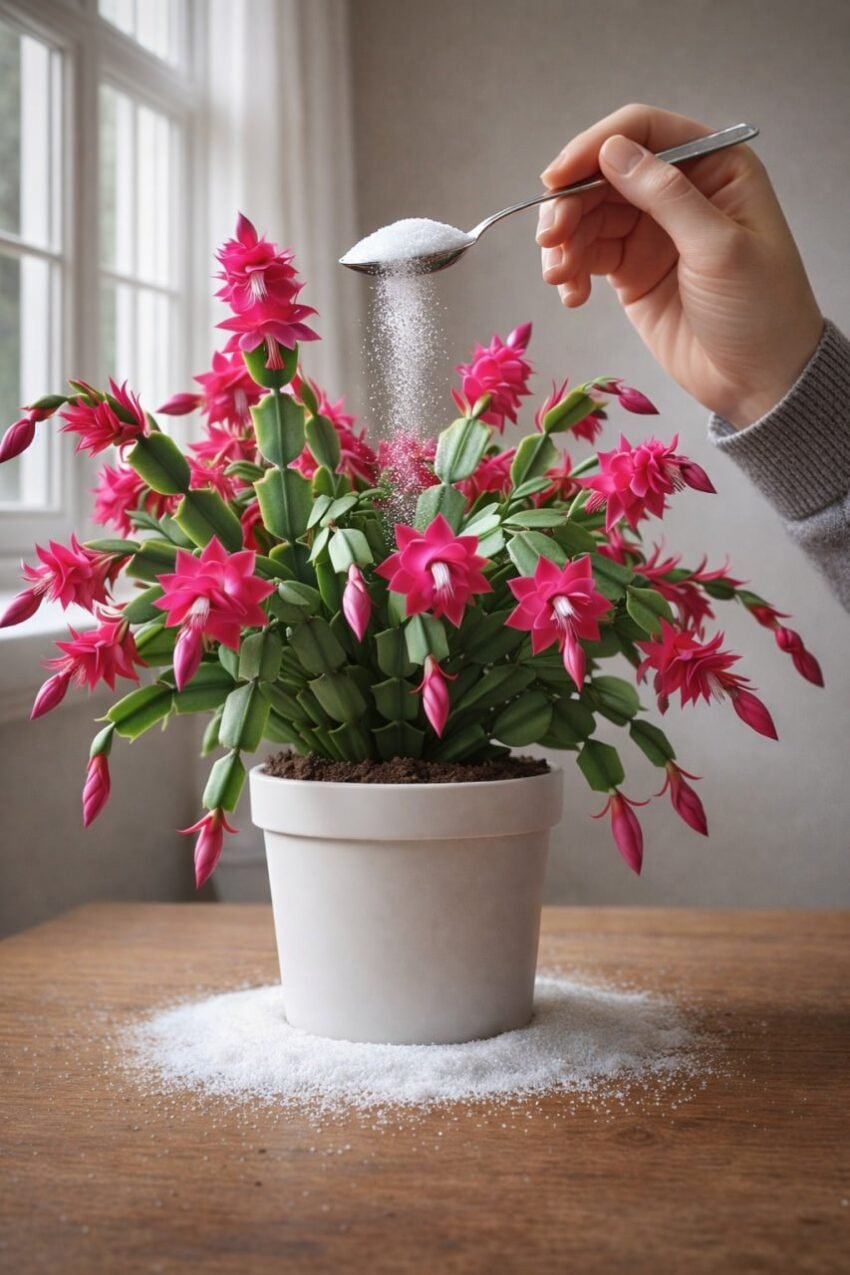
If you want your Cactus to bloom abundantly and naturally, it’s mostly about giving it the right light, nutrients, and seasonal care. Many flowering cacti produce spectacular blooms once their growth cycles and environmental needs are optimized. 🌵🌸
Here’s a complete guide:
1. Provide Plenty of Light
- Most cacti need 6–8 hours of bright, indirect sunlight daily.
- Flowering species, like Echinopsis or Christmas cactus, bloom best when exposed to morning sun.
- Too little light → fewer or no flowers.
2. Correct Watering Routine
- Water only when the soil is completely dry. Overwatering can rot roots.
- During blooming season, you can water slightly more often, but still avoid soggy soil.
- Reduce water in the winter dormant period to encourage flowering in spring.
3. Fertilize Strategically
- Use a low-nitrogen, high-phosphorus fertilizer for blooms.
- A typical ratio: 5:10:10 (N:P:K).
- Feed every 2–4 weeks during the growing season (spring and summer).
- Stop fertilizing in winter.
4. Encourage Dormancy in Winter
- Many cacti need a cool, dry rest period (8–12 weeks) in winter to trigger flower production in spring.
- Place in bright but cooler conditions (10–15°C / 50–59°F).
- Reduce water and do not fertilize.
5. Repotting and Soil
- Use a well-draining cactus mix.
- Avoid compacted soil; it restricts root growth.
- Repot every 2–3 years, trimming old roots if needed.
- Healthier roots → stronger blooms.
6. Temperature and Humidity
- Most flowering cacti prefer warm days (20–30°C / 68–86°F) and cool nights.
- Low humidity is ideal; high humidity can encourage fungal issues.
7. Pollination & Flower Longevity
- Some cacti only bloom fully if pollinated (even by hand indoors).
- To prolong blooms, remove spent flowers and keep plants healthy.
Bonus Tip 🌟
Some gardeners add a teaspoon of Epsom salt (magnesium sulfate) in the soil once or twice per season to boost flowering, similar to orchids. Magnesium helps with chlorophyll production and bloom energy.
✅ Summary:
Endless blooms are a result of right light, seasonal care, proper fertilization, and dormancy. Over time, a healthy cactus in optimal conditions can flower year after year.
If you want, I can make a step-by-step monthly care schedule for a flowering cactus so it produces maximum blooms naturally without chemicals. Do you want me to do that?
