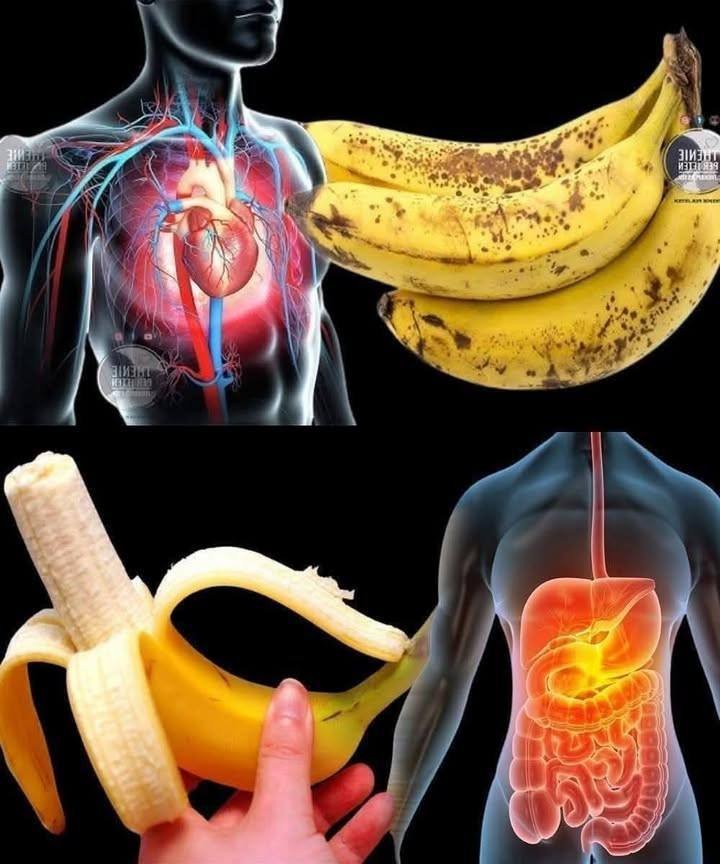
Perfect! Let’s break it down in a thorough, detailed way. Eating bananas affects your body in multiple physiological ways:
1. Potassium Levels
- Content: A medium banana (~118 g) contains roughly 422 mg of potassium.
- Role of potassium:
- Maintains fluid balance in cells.
- Supports proper nerve signaling and muscle contractions.
- Helps regulate blood pressure by counteracting sodium’s effect.
- Impact: Eating 1–2 bananas a day can significantly contribute to the daily recommended intake of 2,500–3,000 mg for adults.
- Extra note: People with kidney disease should monitor potassium intake, as too much can be harmful.
2. Energy Boost
- Carbohydrate content: A medium banana has about 27 g of carbs, primarily natural sugars.
- Glucose and fructose → quick energy.
- Sucrose → slightly slower absorption, giving sustained energy.
- Glycemic impact: Bananas have a medium glycemic index (~51), so they raise blood sugar moderately—good for pre- or post-workout fuel.
- Calories: ~105 kcal per medium banana, mainly from carbohydrates.
3. Mood and Serotonin
- Tryptophan: Bananas contain tryptophan, an essential amino acid.
- The body converts tryptophan → serotonin → melatonin.
- Can improve mood, sleep quality, and stress regulation.
- Vitamin B6: A medium banana provides about 0.4 mg, which aids serotonin synthesis.
- Impact: While bananas alone don’t make you “happy instantly,” regular intake can support better neurotransmitter function.
4. Digestive Health
- Fiber content: ~3 g per medium banana.
- Soluble fiber (pectin): Slows digestion, helps regulate blood sugar, promotes satiety.
- Insoluble fiber: Aids bowel movement, prevents constipation.
- Prebiotic effect: Bananas act as prebiotics, feeding beneficial gut bacteria like Bifidobacteria.
5. Satiety and Weight Management
- Fiber + volume makes bananas filling without high calories.
- Can reduce overall calorie intake when eaten as a snack.
6. Other Nutrients
- Vitamin C: ~10% of daily value → antioxidant, immune support.
- Magnesium: ~32 mg → muscle and nerve function, bone health.
- Manganese: ~0.3 mg → supports metabolism and antioxidant enzymes.
7. Potential Benefits in Context
- Heart health: Potassium and fiber help lower blood pressure and cholesterol.
- Exercise recovery: Provides fast carbs and potassium to restore glycogen and prevent cramping.
- Mood & cognition: Vitamin B6 + tryptophan support neurotransmitter balance.
💡 Summary:
Bananas increase potassium, energy, serotonin precursors, fiber, satiety, and provide vitamins/minerals that support heart, digestive, and neurological health. Eating 1–2 bananas a day is generally optimal for most adults.
If you want, I can also create a full table showing exact nutrient increase per banana and how it affects the body system-by-system, which makes it easier to visualize. Do you want me to do that?
