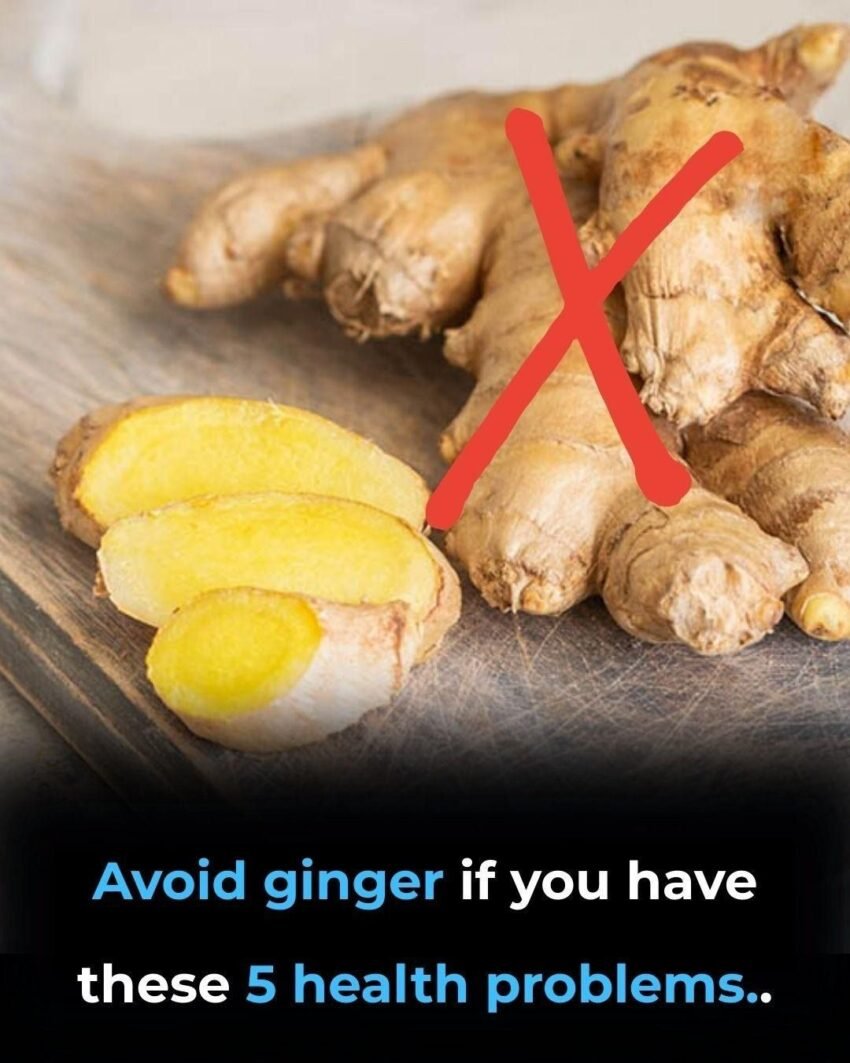
A lot of online headlines start with phrases like “Doctors reveal that consuming ginger causes…” and then list something dramatic — but it’s important to separate real medical information from exaggerated or misleading claims. Here’s what reliable health sources actually say about ginger:
✅ Ginger Is Generally Safe and Often Beneficial
Ginger (Zingiber officinale) is widely used as a spice and herbal remedy. Research shows it can help with:
- Nausea and vomiting (e.g., motion sickness, pregnancy-related nausea)
- Inflammation and digestive comfort
- Mild pain relief
These benefits are supported by nutritional and clinical evidence. (Johns Hopkins Medicine)
⚠️ Possible Side Effects When Consumed in Large Amounts
While ginger is safe in moderate culinary amounts, excessive consumption — especially in high-dose supplements — can lead to side effects:
🔹 Gastrointestinal Issues
Eating too much ginger may cause:
- Heartburn or acid reflux
- Stomach irritation
- Gas, bloating, or diarrhoea
These effects are more common in people with sensitive stomachs. (ICICI Lombard)
🔹 Blood-Thinning (Bleeding Risks)
Ginger has mild blood-thinning properties. While this might help circulation in some people, it can:
- Increase bleeding risk, especially if you’re on anticoagulant (blood thinner) medicine
- Cause heavier bruising or prolonged bleeding after injury
This is why doctors recommend caution before taking ginger supplements with blood thinners like warfarin or aspirin. (The Times of India)
🔹 Interactions With Medications
Ginger may interact with:
- Blood pressure meds → potentially lowering blood pressure too much
- Diabetes medications → possibly causing blood sugar to drop too low
- Anticoagulants → increasing bleeding risk
These interactions mean you should talk to a doctor if you’re taking prescription medications. (The Times of India)
🔹 Pregnancy Concerns
While small amounts of ginger can help with nausea, high doses during pregnancy may carry risks — which is why doctors often suggest limits and medical guidance. (The Times of India)
🔹 Allergic Reactions (Rare)
Some people may experience rash, itching, or mouth irritation from ginger — usually mild. (The Times of India)
❌ Myths & Exaggerated Claims
- There’s no evidence that normal dietary ginger “causes heart damage” or major organ failure in healthy people.
- Claims that ginger universally weakens organs like liver or heart are not supported by credible medical research.
Most of the risks arise only with very high doses, supplements, or in specific health conditions — not from everyday use in food or tea.
🧠 Bottom Line
✔ Ginger is safe and beneficial for most people when eaten in normal amounts.
✔ Eating too much or taking high-dose supplements can lead to side effects and interactions with medications.
✔ If you have underlying health conditions or take regular medications, talk with a doctor before using ginger supplements. (Johns Hopkins Medicine)
If you want, I can break down how much ginger per day is considered safe for different age groups and conditions. Just tell me your age or health situation!
