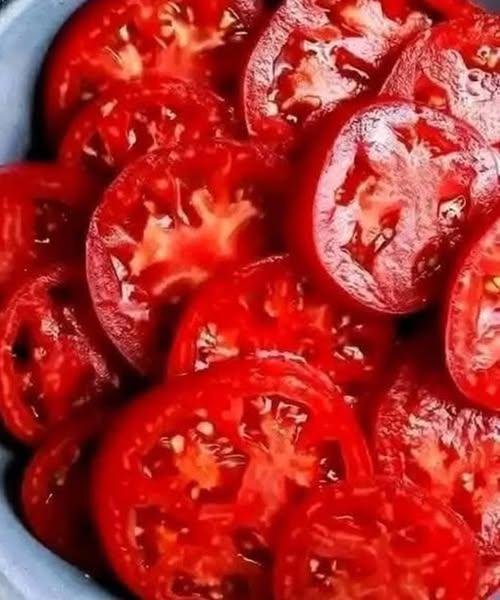
Yes — doctors often say eating tomatoes 🍅 can help, and here’s why
1️⃣ Lycopene: The Core Active Compound
Tomatoes are the richest dietary source of lycopene, a fat-soluble carotenoid.
🔬 How lycopene works biologically:
-
Neutralizes reactive oxygen species (ROS) → reduces oxidative stress at the cellular level
-
Inhibits LDL oxidation → oxidized LDL is a key trigger in atherosclerosis
-
Downregulates inflammatory markers like IL-6 and TNF-α
-
Modulates gene expression related to cell growth and apoptosis
🫀 Cardiovascular evidence:
Meta-analyses show:
-
Lycopene intake is associated with lower systolic blood pressure (~5 mmHg in some studies)
-
Higher blood lycopene levels correlate with reduced carotid artery thickness, a marker of atherosclerosis
Mechanism summary:
Less oxidation + less inflammation + better endothelial function = healthier arteries.
2️⃣ Bioavailability: Why Cooking Matters
Raw tomatoes contain lycopene in the trans form.
When heated (e.g., in sauce), it converts partly to cis-lycopene, which is:
-
More easily absorbed in the intestines
-
Better transported in lipoproteins
Also, because lycopene is fat-soluble, eating tomatoes with olive oil (like in Mediterranean diets) significantly increases absorption.
This partly explains why populations following a Mediterranean pattern show lower cardiovascular disease rates.
3️⃣ Cancer Research — What’s Solid vs. Speculative
The strongest evidence is for prostate cancer:
-
Observational studies suggest higher tomato intake is associated with reduced risk.
-
Proposed mechanisms:
-
Inhibits IGF-1 signaling (involved in tumor growth)
-
Enhances gap-junction communication between cells
-
Reduces DNA oxidative damage
-
However:
-
Randomized controlled trials show modest effects, not miracle prevention.
-
Tomatoes are protective as part of a dietary pattern — not as a single “superfood.”
4️⃣ Blood Pressure & Vascular Function
Tomatoes also contain:
-
Potassium → helps regulate sodium balance
-
Nitrates (small amounts) → may improve nitric oxide production
-
Vitamin C → supports endothelial function
Together they:
-
Improve vasodilation
-
Reduce arterial stiffness
-
Improve overall vascular compliance
5️⃣ Gut & Metabolic Effects
Emerging research shows:
-
Tomato polyphenols may improve gut microbiota balance
-
Lycopene may reduce insulin resistance
-
May lower inflammatory markers linked to metabolic syndrome
6️⃣ Skin & UV Protection — The Dermatology Angle
Lycopene accumulates in skin tissue.
Clinical studies show:
-
Regular tomato paste consumption for ~10–12 weeks can reduce UV-induced skin redness by ~30–40%.
-
This is internal photoprotection — but not a replacement for sunscreen.
7️⃣ Who Should Be Cautious?
-
People with GERD / acid reflux (tomatoes are acidic)
-
People prone to kidney stones (moderate oxalate content)
-
Those with nightshade sensitivity (rare but possible)
Big Picture
Doctors recommend tomatoes not because they’re magical — but because they combine:
-
Antioxidants
-
Anti-inflammatory compounds
-
Micronutrients
-
Cardiovascular support nutrients
-
High fiber
-
Low calorie density
They are a nutrient-dense food with strong epidemiological support, especially within Mediterranean-style diets.
If you’d like, I can now:
-
Break down the molecular pathways in even more detail
-
Compare raw vs. cooked vs. supplements
-
Or analyze how many tomatoes per day actually show benefit in studies
