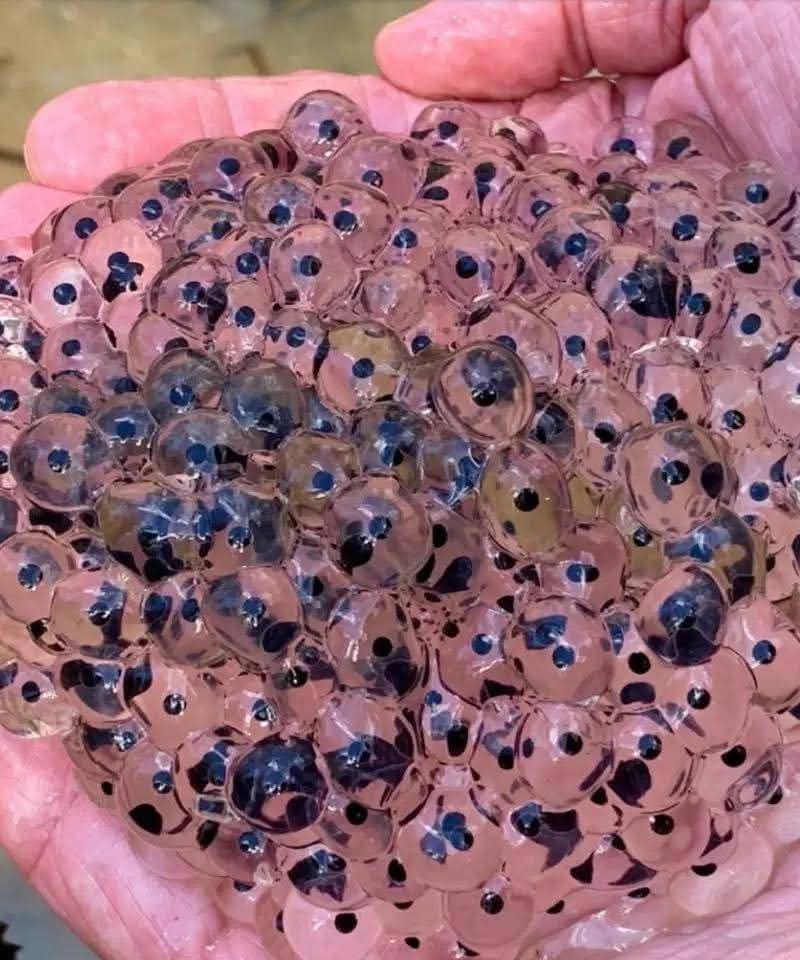
Absolutely! Here’s a detailed, engaging article on frogspawn:
Frogspawn: Nature’s Tiny Miracles
Frogspawn is one of the most fascinating sights in ponds and freshwater habitats during spring. These gelatinous clusters of eggs mark the start of the amphibian life cycle and offer a glimpse into the incredible process of transformation from egg to frog.
What is Frogspawn?
Frogspawn refers to the eggs laid by female frogs, typically in freshwater ponds, lakes, or slow-moving streams. Each egg is surrounded by a clear, jelly-like substance that provides protection and keeps the eggs moist. A single female can lay hundreds to thousands of eggs at a time, forming a dense, floating mass that looks like a small clump of pearls.
The jelly has several important functions:
- Protection from predators: The slippery, wobbly texture makes it difficult for fish and other predators to eat.
- Hydration: The jelly keeps the eggs moist and prevents them from drying out.
- Temperature regulation: It acts as a buffer against sudden changes in temperature.
Life Cycle of a Frog: From Frogspawn to Froglet
Frogspawn is the first stage of a frog’s life. The journey is remarkable:
- Egg stage: Fertilized eggs develop inside the jelly for about 6–21 days, depending on water temperature.
- Tadpole stage: Tiny tadpoles emerge, initially feeding on their yolk sac, then switching to algae and plant matter.
- Metamorphosis: Over several weeks, tadpoles grow legs, absorb their tails, and gradually develop lungs to breathe air.
- Froglet stage: Once fully formed, the young frogs leave the water to begin their terrestrial life.
Environmental Importance
Frogspawn and the subsequent tadpoles play an essential role in ecosystems:
- Tadpoles help control algae growth, maintaining the balance in ponds.
- Frogs are both predators and prey, supporting the food chain.
- Monitoring frogspawn can indicate the health of local freshwater habitats, as frogs are sensitive to pollution and environmental changes.
Fun Facts About Frogspawn
- Frogspawn is most visible in spring, usually February to April in temperate regions.
- The gelatinous eggs are transparent, allowing you to see tiny black dots forming—the embryos.
- Other amphibians, like toads and newts, lay eggs too, but their eggs usually look different. Toad eggs, for example, are laid in long strings, not clumps.
How to Observe Frogspawn Responsibly
If you come across frogspawn in a pond:
- Watch, don’t touch. Disturbing eggs can harm developing tadpoles.
- Keep pets and children from handling the pond water unnecessarily.
- Take notes or photos—observing frogspawn can be a fun educational activity for children and nature enthusiasts.
Frogspawn is more than just a springtime curiosity; it is a vital sign of life and the start of a miraculous transformation. From a tiny jelly-encased egg to a leaping frog, the journey of frogspawn reminds us of nature’s resilience and wonder.
If you want, I can also make a shorter, catchy version for kids with illustrations and fun facts—it would read like a mini nature magazine article. Do you want me to do that?
