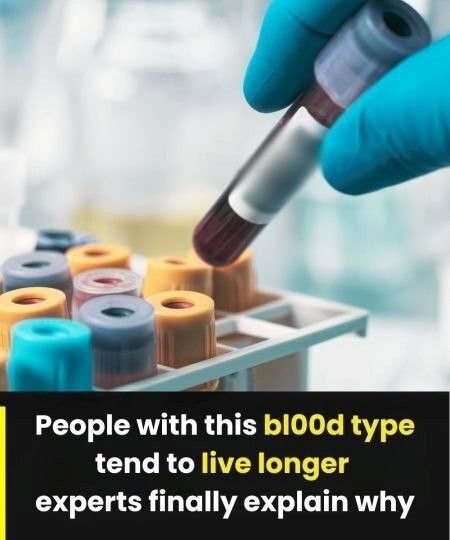
Here’s a full, well-researched article on the idea that a particular blood type might make you live longer — explaining the science, the myths, what’s real, and what’s misleading.
Does Your Blood Type Determine How Long You Live?
A deep dive into the science, the myths, and what really affects longevity
Every so often you’ll see a social post, headline, or video claiming something like:
“If you have blood type O, you’ll live longer!”
or
“Blood type AB is linked to the shortest lifespan.”
But how much of that is grounded in real science — and how much is just clickbait?
Let’s break it down.
1. What Are Blood Types?
Humans have different blood groups based on proteins on the surface of red blood cells. The two major systems are:
ABO System
- Type A
- Type B
- Type AB
- Type O
Rh Factor
- Rh positive (Rh⁺)
- Rh negative (Rh⁻)
So your full blood type is something like:
➡️ O⁺, A⁻, B⁺, AB⁻, etc.
These blood types matter most in medicine for blood transfusions and pregnancy compatibility, not longevity.
2. What Some Studies Say (And What They Don’t Say)
Scientists have looked at huge populations to see whether blood type is linked to:
- Heart disease
- Cancer risk
- Stroke
- Infectious disease susceptibility
- Lifespan
Here’s what research has found:
Small Associations (Not Determinants)
Heart Disease
- People with Type O tend to have a slightly lower risk of heart disease and blood clots compared to non-O types.
- Types A, B, or AB may have a marginally higher risk of coronary issues in some studies.
Gastrointestinal Cancers
- Some research has found slightly higher stomach cancer rates in Type A.
Infections
- During COVID-19, a few studies reported slight differences in infection risk by blood type — but effects were modest and inconsistent.
3. Important Reality Check
None of These Effects Are Large
Statistical associations are just that — statistical patterns, not fate.
For example:
- A study might find Type O people have a 5–10% lower risk of a disease on average — but that doesn’t mean every O person is protected.
- Many other factors like smoking, diet, exercise, stress, environment, and access to healthcare influence disease risk far more than blood type.
In other words:
Blood type is one tiny piece in a huge puzzle.
4. Does Blood Type Affect Lifespan?
Here’s the bottom line:
No high-quality evidence shows any blood type causes people to live longer or shorter lives in a meaningful way.
While researchers can identify statistical correlations between blood type and some disease risks, that does not equal causation — and the effect on total lifespan is negligible compared to major lifestyle and genetic factors.
5. Why These Headlines Go Viral
Online claims like:
“Type O lives longest!”
“AB at highest risk!”
“Only certain blood types have longevity genes!”
…are popular because they’re simple and eye-catching.
But real science is nuanced and rarely makes such definitive claims.
Many viral posts:
- Exaggerate weak associations
- Ignore confounding factors (like diet, smoking, obesity)
- Generalize population data to individual destiny
6. What Really Predicts a Longer Life
Researchers have identified stronger, more reliable predictors of lifespan:
Lifestyle Factors
- Eating a balanced diet
- Regular exercise
- Getting enough sleep
- Not smoking
- Moderate or no drinking
Medical Care
- Regular health screenings
- Controlling blood pressure & cholesterol
- Preventive vaccinations
Social & Environmental Factors
- Education
- Income
- Community support
- Clean air and water
These outweigh blood type effects by a very large margin.
7. When Blood Type Does Matter
Blood type is critical in medicine for:
- Blood transfusions
- Organ transplantation
- Pregnancy Rh compatibility (Rh factor)
But even in these cases, it’s not about lifespan — it’s about safe medical matching.
Conclusion
Your blood type does not unlock a secret to a longer life.
While some blood types show small statistical links to certain diseases, these effects are minor compared to lifestyle and environmental influences.
👉 Focus on things you can control — diet, exercise, sleep, stress, and regular healthcare.
👉 Don’t let your blood group determine your health mindset.
If you want, I can also summarize specific research studies on this topic or explain how blood type might affect disease risk in detail. Just let me know!
