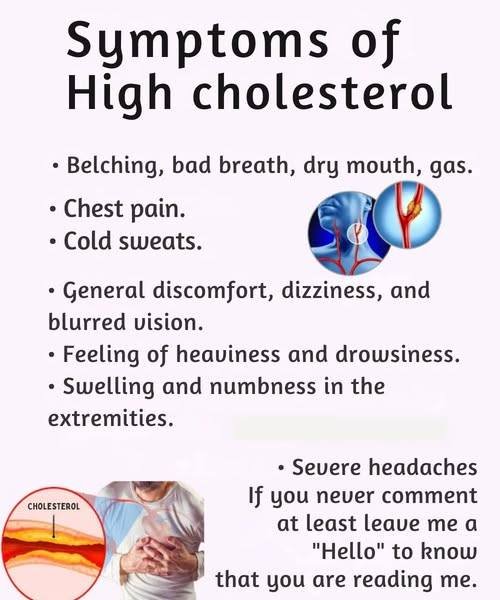
Absolutely! Let’s break down high cholesterol in detail—the “silent enemy” that can seriously impact your health without obvious symptoms. I’ll cover what it is, why it’s dangerous, signs, and ways to manage it.
1. What Is Cholesterol?
Cholesterol is a waxy, fat-like substance found in your blood. Your body needs it to:
- Build cells
- Produce hormones
- Make vitamin D
There are two main types:
- LDL (Low-Density Lipoprotein) – “bad cholesterol”
- Can build up in arteries, causing blockages.
- HDL (High-Density Lipoprotein) – “good cholesterol”
- Helps remove LDL from arteries.
Total cholesterol = LDL + HDL + 20% of triglycerides
2. Why It’s Called the Silent Enemy
High cholesterol usually has no symptoms until serious complications occur, such as:
- Heart attack
- Stroke
- Peripheral artery disease
Because you can feel fine even with dangerously high cholesterol, many people only discover it during routine blood tests.
3. Risk Factors
- Diet: High in saturated fats, trans fats, and cholesterol
- Obesity: Excess body fat raises LDL and lowers HDL
- Lack of exercise: Physical activity helps maintain healthy HDL
- Age & Gender: Risk rises after 40; men typically at higher risk earlier
- Genetics: Familial hypercholesterolemia can cause very high cholesterol
- Other conditions: Diabetes, hypothyroidism, and kidney disease
4. Potential Warning Signs (Indirect)
While high cholesterol itself rarely shows symptoms, watch for related conditions:
- Chest pain or angina (heart disease)
- Leg pain when walking (peripheral artery disease)
- Yellowish deposits around eyes (xanthomas)
- Fatty deposits under the skin or in tendons
5. How It’s Diagnosed
- Lipid panel blood test: Measures total cholesterol, LDL, HDL, and triglycerides
- Recommended every 4–6 years for adults, or more frequently if risk factors exist
6. How to Manage and Reduce High Cholesterol
Lifestyle Changes
- Diet:
- Increase fiber (oats, beans, fruits, vegetables)
- Eat healthy fats (olive oil, nuts, fatty fish)
- Limit red meat, butter, and processed foods
- Exercise: 30 minutes of moderate activity most days
- Weight management: Even losing 5–10% of body weight helps
- Quit smoking & limit alcohol: Smoking lowers HDL
Medications (if needed)
- Statins: Lower LDL and reduce heart attack risk
- Cholesterol absorption inhibitors
- PCSK9 inhibitors (for severe cases)
7. Prevention Tips
- Get regular cholesterol screenings
- Maintain a balanced diet
- Stay physically active
- Control other risk factors like blood pressure and diabetes
Summary
High cholesterol is dangerous because it works silently, often causing damage long before you notice. The good news: with regular testing, lifestyle changes, and medication when needed, you can protect your heart and arteries.
If you want, I can also make a visual diagram showing “silent signs, causes, and prevention of high cholesterol”—it’s a quick way to grasp why it’s called the silent enemy.
Do you want me to make that diagram?
