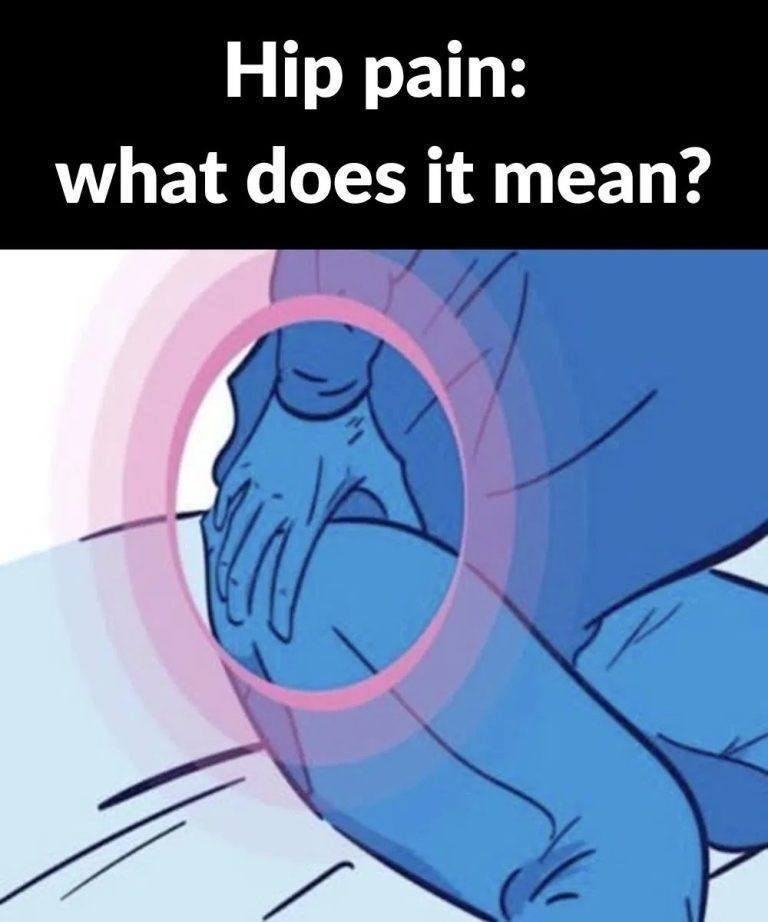
Hip pain is a common complaint that can range from mild discomfort to sharp, debilitating pain. Understanding the possible causes, locations, and patterns can help you figure out what might be happening and whether medical attention is needed.
Common Causes of Hip Pain
1. Muscle and Tendon Issues
- Strains or sprains in the hip muscles, tendons, or ligaments.
- Often caused by overuse, exercise, or sudden movements.
- Pain may be felt on the outside of the hip or front of the thigh.
2. Arthritis
- Osteoarthritis is the most common in older adults, caused by wear and tear of cartilage.
- Rheumatoid arthritis can also affect the hip joint.
- Symptoms: stiffness, aching pain in the groin or thigh, worse in the morning or after inactivity.
3. Bursitis
- Inflammation of the bursa (fluid-filled sacs that reduce friction in the joint).
- Pain is usually on the outer hip, worsens with activity, or when lying on the affected side.
4. Hip Labral Tear
- A tear in the cartilage rim (labrum) around the hip socket.
- Often causes a clicking or locking sensation, along with pain in the groin or hip.
5. Sciatica or Nerve Pain
- Compression or irritation of the sciatic nerve can cause radiating pain from the lower back to the hip or leg.
- Tingling, numbness, or shooting pain may accompany it.
6. Fractures or Trauma
- Especially in older adults with osteoporosis.
- Sudden hip pain after a fall or accident requires urgent medical attention.
Other Possible Signs
- Pain location: Front (groin), side (outer hip), or back (buttocks).
- Timing: Pain at rest, during activity, or at night.
- Movement limitation: Difficulty walking, standing, or climbing stairs.
When to See a Doctor
Seek medical evaluation if you notice:
- Severe or sudden hip pain
- Swelling, redness, or warmth around the joint
- Inability to move the hip or bear weight
- Pain after a fall or injury
- Numbness, tingling, or radiating pain down the leg
Self-Care Tips for Mild Hip Pain
- Rest and avoid overuse of the hip
- Ice or heat therapy to reduce inflammation and discomfort
- Gentle stretching and strengthening exercises for hip muscles
- Over-the-counter pain relievers (with doctor guidance)
- Maintain healthy weight to reduce pressure on the hip joint
💡 Key takeaway: Hip pain can come from muscles, tendons, joints, nerves, or bones, so understanding the type, location, and triggers of pain is important. Mild pain may improve with rest and exercise, but persistent, severe, or worsening pain should be assessed by a healthcare professional.
If you want, I can make a simple guide to distinguish the type of hip pain based on location and symptoms, which can help figure out the most likely cause.
Do you want me to make that guide?
