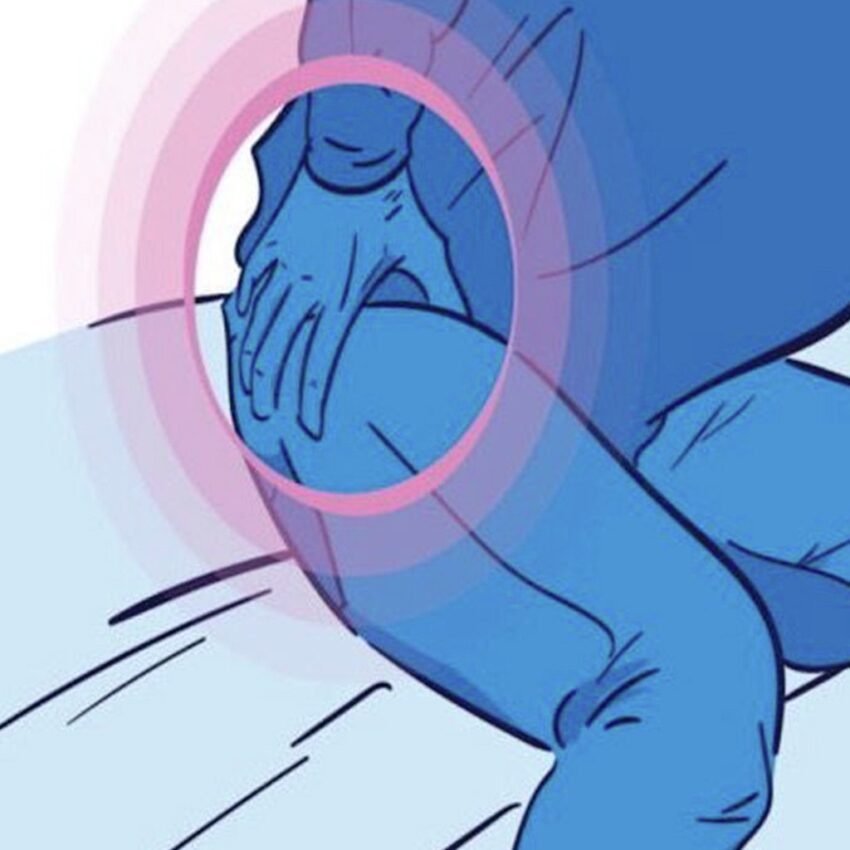
Hip pain can arise from a variety of causes, ranging from minor injuries to chronic medical conditions. Here’s a comprehensive overview:
1. Anatomy of the Hip
The hip is a ball-and-socket joint formed by:
- Femoral head (ball) – the top of the thigh bone (femur)
- Acetabulum (socket) – part of the pelvis
- Cartilage – cushions the joint
- Ligaments & tendons – provide stability
- Muscles – enable movement (gluteals, hip flexors, adductors)
Pain can originate from any of these structures or even from nearby organs and nerves.
2. Common Causes of Hip Pain
A. Musculoskeletal Causes
- Osteoarthritis
- Degeneration of cartilage in the hip joint
- Common in older adults
- Symptoms: deep joint pain, stiffness, worsens with activity, improves with rest
- Bursitis (Trochanteric Bursitis)
- Inflammation of the bursa (fluid-filled sac near the hip)
- Pain on the outside of the hip
- Worsens with lying on the affected side or climbing stairs
- Tendonitis / Muscle Strains
- Hip flexor, hamstring, or adductor strains
- Usually from overuse or sudden injury
- Pain is localized, aggravated by movement
- Labral Tear
- Tear in the ring of cartilage (labrum) surrounding the hip socket
- Causes pain, clicking, or “catching” in the hip
- Fractures
- Common in elderly or those with osteoporosis
- Sudden pain after a fall or trauma
- Often requires urgent medical attention
B. Neurological Causes
- Sciatica: Compression of the sciatic nerve can cause pain radiating to the hip or buttock.
- Nerve entrapment: Such as femoral or obturator nerve irritation.
C. Referred Pain
Pain felt in the hip may come from:
- Lower back problems (lumbar spine arthritis, disc herniation)
- Pelvic organs (ovaries, uterus, bladder, prostate)
D. Systemic Causes
- Inflammatory arthritis: Rheumatoid arthritis, ankylosing spondylitis
- Infections: Septic arthritis, osteomyelitis (rare but serious)
- Tumors: Primary bone tumors or metastasis (less common)
3. Symptoms to Consider
- Location: groin, outer hip, buttock, thigh
- Timing: constant vs. intermittent
- Aggravating factors: walking, sitting, lying on the hip
- Associated signs: swelling, redness, warmth, fever, numbness
4. Diagnostic Approach
- History & Physical Exam: Pain pattern, range of motion, gait analysis
- Imaging:
- X-ray: fractures, arthritis
- MRI: soft tissue, labral tears
- Ultrasound: bursitis, tendon issues
- Lab Tests: if infection or systemic disease is suspected
5. Treatment Options
A. Conservative
- Rest, ice/heat therapy
- NSAIDs or acetaminophen for pain
- Physical therapy: strengthening, stretching
- Activity modification
B. Interventional
- Corticosteroid injections for bursitis or arthritis
- PRP (platelet-rich plasma) in some tendon injuries
C. Surgical
- Hip replacement (arthroplasty) for severe osteoarthritis
- Labral repair or hip arthroscopy for tears
- Fracture fixation
6. Red Flags (Seek Immediate Medical Care)
- Sudden, severe hip pain after trauma
- Inability to bear weight
- Fever, redness, or swelling
- Numbness or weakness in the leg
Hip pain is common but complex; treatment depends on the exact cause. A primary care physician or orthopedic specialist often guides diagnosis and management.
If you want, I can make a clear table showing hip pain locations, possible causes, and typical symptoms, which can help you quickly understand what your pain might indicate.
Do you want me to make that table?
