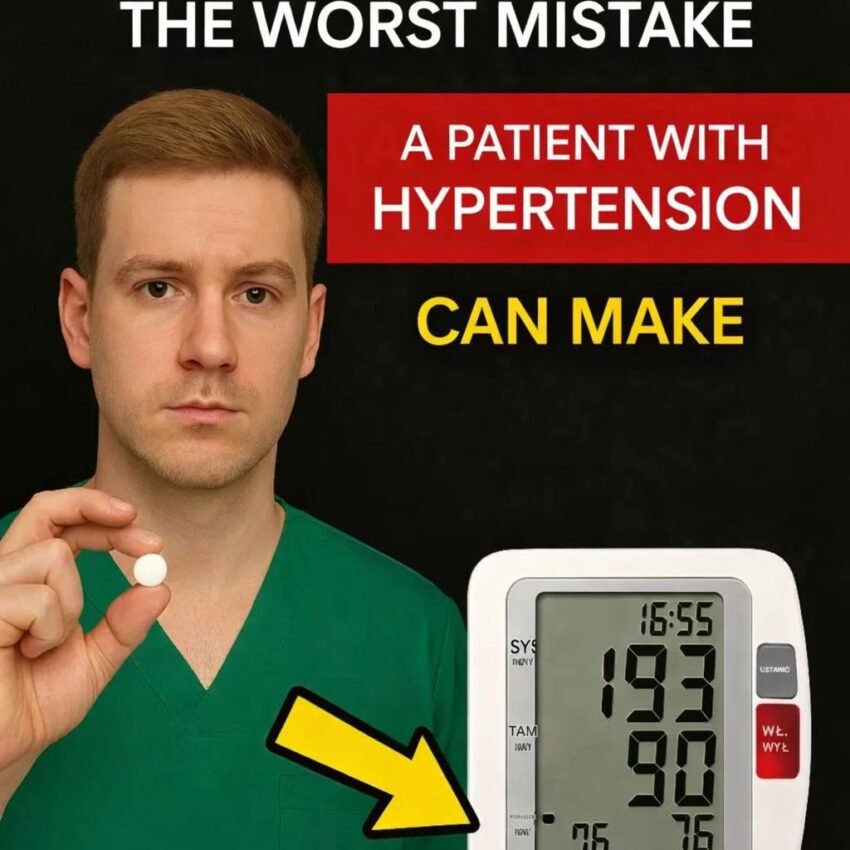
Measuring your blood pressure at home is a great way to monitor your cardiovascular health, but it’s important to do it correctly to get reliable readings and understand when to seek medical attention. Here’s a detailed guide:
How to Properly Measure Blood Pressure at Home
1. Choose the Right Equipment
- Use an automatic, upper-arm cuff – wrist and finger monitors are less accurate.
- Make sure the cuff fits your arm properly (too small or too large can give false readings).
- Look for devices validated by medical organizations, such as the American Heart Association (AHA).
2. Prepare Yourself
- Avoid caffeine, nicotine, or exercise 30 minutes before measuring.
- Empty your bladder.
- Sit quietly for 5 minutes before taking a reading.
- Sit in a chair with back support, feet flat on the floor, and arm supported at heart level.
3. Correct Technique
- Place the cuff on your bare upper arm.
- Keep your arm relaxed, not tense.
- Don’t talk or move during measurement.
- Take 2–3 readings, one minute apart, and record all results.
4. Frequency
- For new diagnoses or uncontrolled blood pressure: measure twice daily (morning and evening) for a week.
- Once stable, check a few times a week or as advised by your healthcare provider.
5. Track Your Readings
- Keep a log or use an app to track trends over time.
- Include date, time, and any symptoms (dizziness, headache, etc.).
- Bring this log to your doctor; it helps with accurate diagnosis and treatment decisions.
When to Worry
Normal vs. High Readings
- Normal: <120/80 mmHg
- Elevated: 120–129/<80 mmHg
- Hypertension Stage 1: 130–139/80–89 mmHg
- Hypertension Stage 2: ≥140/90 mmHg
- Hypertensive crisis: >180/120 mmHg (emergency)
Seek Medical Advice If
- Consistently above 130/80 mmHg.
- Sudden spike to 180/120 mmHg or higher, especially with chest pain, shortness of breath, vision changes, or neurological symptoms. This is a medical emergency.
- You have symptoms like dizziness, fainting, or severe headache along with high readings.
Other Considerations
- Home readings are helpful but not a replacement for regular check-ups.
- If you have heart disease, diabetes, or kidney problems, discuss target blood pressures with your doctor.
✅ Tips for Accuracy
- Always measure at the same time each day.
- Avoid crossing legs, talking, or holding your breath.
- Keep a consistent arm and position for each reading.
If you want, I can also give you a step-by-step daily routine for home monitoring that maximizes accuracy and helps detect early hypertension. It’s a simple routine most people can follow.
Do you want me to do that?
