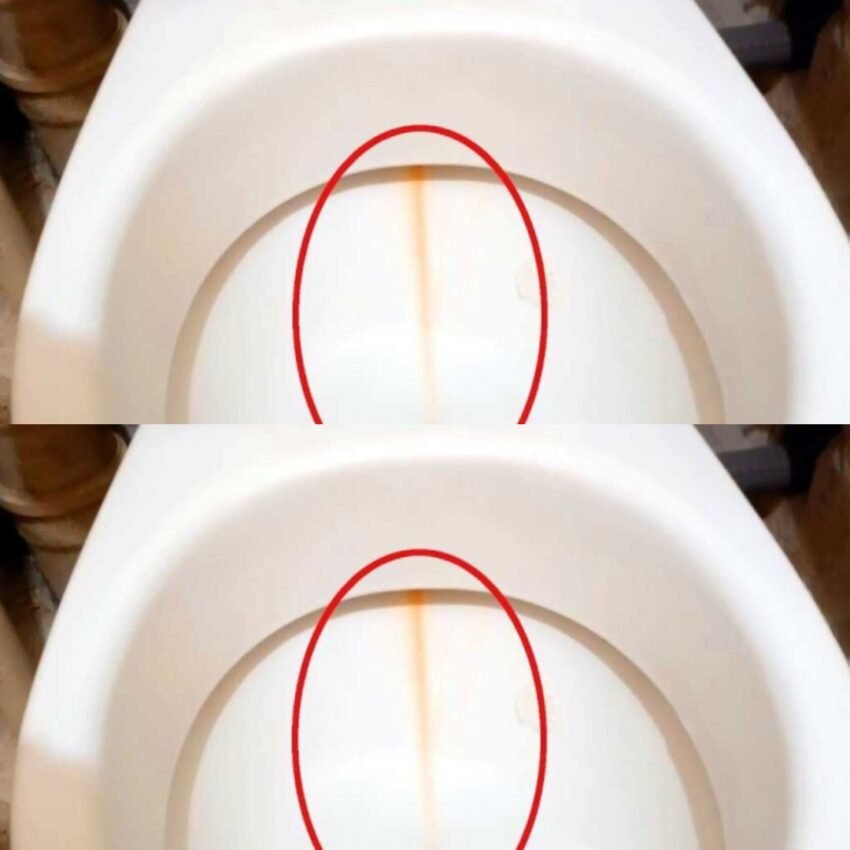
Why Limescale Disappears “in the Blink of an Eye”: The Science Behind Toilet Descaling
Anyone who has battled stubborn white deposits in the toilet knows how satisfying it is to see them vanish almost instantly. You apply the cleaner to the toilet brush, scrub the surface—and the limescale seems to dissolve before your eyes. But what exactly is happening? Why does it work so quickly? And how can you do it safely and effectively?
This article explains the science behind limescale, why acidic cleaners work so well, and how to maintain a clean, scale-free toilet.
What Is Limescale?
Limescale is a hard, chalky deposit that forms when water with a high mineral content—often called “hard water”—evaporates. Hard water contains dissolved minerals, mainly calcium and magnesium. When water sits in a toilet bowl or flows repeatedly over the same surfaces, it leaves behind mineral residues.
Over time, these minerals accumulate and harden into visible white, gray, or even brownish deposits. In toilets, limescale often forms:
- Along the waterline
- Under the rim
- At the bottom of the bowl
- Around water outlets
Besides being unsightly, heavy limescale buildup can trap bacteria, cause odors, and even reduce flushing efficiency.
Why Acid-Based Cleaners Work So Fast
The key to removing limescale is chemistry.
Limescale is primarily made of calcium carbonate. Acidic cleaners react chemically with calcium carbonate, breaking it down into soluble substances that rinse away easily.
Common acidic descalers include:
- Vinegar (acetic acid)
- Citric acid
- Commercial toilet descalers containing hydrochloric or sulfamic acid
When you apply an acid-based cleaner to a toilet brush and scrub the surface, the acid begins reacting immediately with the calcium carbonate. This reaction produces carbon dioxide and dissolves the mineral deposit. That rapid chemical reaction is why the limescale appears to “disappear in the blink of an eye.”
Stronger acids act faster, which is why commercial descalers often remove buildup almost instantly.
Step-by-Step: Effective Toilet Descaling
To achieve the best results:
- Lower the water level (if possible)
Turning off the water supply and flushing once can expose more limescale deposits. - Apply the cleaner directly to affected areas
Focus on heavy buildup, especially under the rim and along the waterline. - Let it sit briefly
Even fast-acting cleaners benefit from 5–15 minutes of contact time. - Scrub thoroughly with a toilet brush
Mechanical action helps break up thicker deposits. - Flush to rinse away residue
For very heavy buildup, a second treatment may be necessary.
Safety Precautions
While acid-based cleaners are effective, they must be used carefully:
- Ensure good ventilation.
- Wear gloves to protect your skin.
- Never mix acidic cleaners with bleach—this can produce toxic chlorine gas.
- Avoid using strong acids on marble, natural stone, or delicate surfaces.
- Store products out of reach of children and pets.
Always follow the manufacturer’s instructions on the product label.
Preventing Future Limescale Buildup
Prevention is easier than removal. Here are some helpful tips:
- Clean your toilet weekly to prevent heavy buildup.
- Use a mild descaler regularly in hard-water areas.
- Install a water softener if your home has very hard water.
- Wipe visible deposits early before they harden.
Routine maintenance reduces the need for aggressive cleaning later.
Final Thoughts
The dramatic disappearance of limescale when you scrub your toilet isn’t magic—it’s chemistry in action. Acid-based cleaners react with calcium carbonate deposits, dissolving them quickly and efficiently. With proper technique and safety precautions, you can keep your toilet clean, hygienic, and free from stubborn mineral buildup.
A little science—and regular maintenance—goes a long way toward a sparkling bathroom.
