Why Do Your Hands “Fall Asleep”? Causes, Symptoms, and When to Worry
That tingling, prickling, or numb feeling in your hands — often described as your hands “falling asleep” — is medically known as paresthesia. It’s very common and usually harmless, but in some cases it can signal an underlying nerve problem.
This article explains what causes it, when it’s normal, and when it may require medical attention.
What Does “Hands Falling Asleep” Mean?
When your hands fall asleep, you may feel:
- Tingling (pins and needles)
- Numbness
- Burning sensation
- Weakness
- Reduced sensitivity to touch
This happens when nerve signals are temporarily disrupted — most often due to pressure on a nerve or reduced blood flow.
The Most Common Cause: Temporary Nerve Compression
In many cases, it’s completely harmless.
Examples include:
- Sleeping on your arm
- Resting your elbow on a hard surface
- Holding your phone for long periods
- Keeping your wrist bent while typing
When pressure is removed, the nerve “wakes up,” and the tingling sensation appears as normal sensation returns.
This type of numbness:
- Goes away within minutes
- Happens occasionally
- Does not cause lasting weakness
Medical Causes of Frequent or Persistent Hand Numbness
If your hands fall asleep often or without obvious pressure, it could be related to an underlying condition.
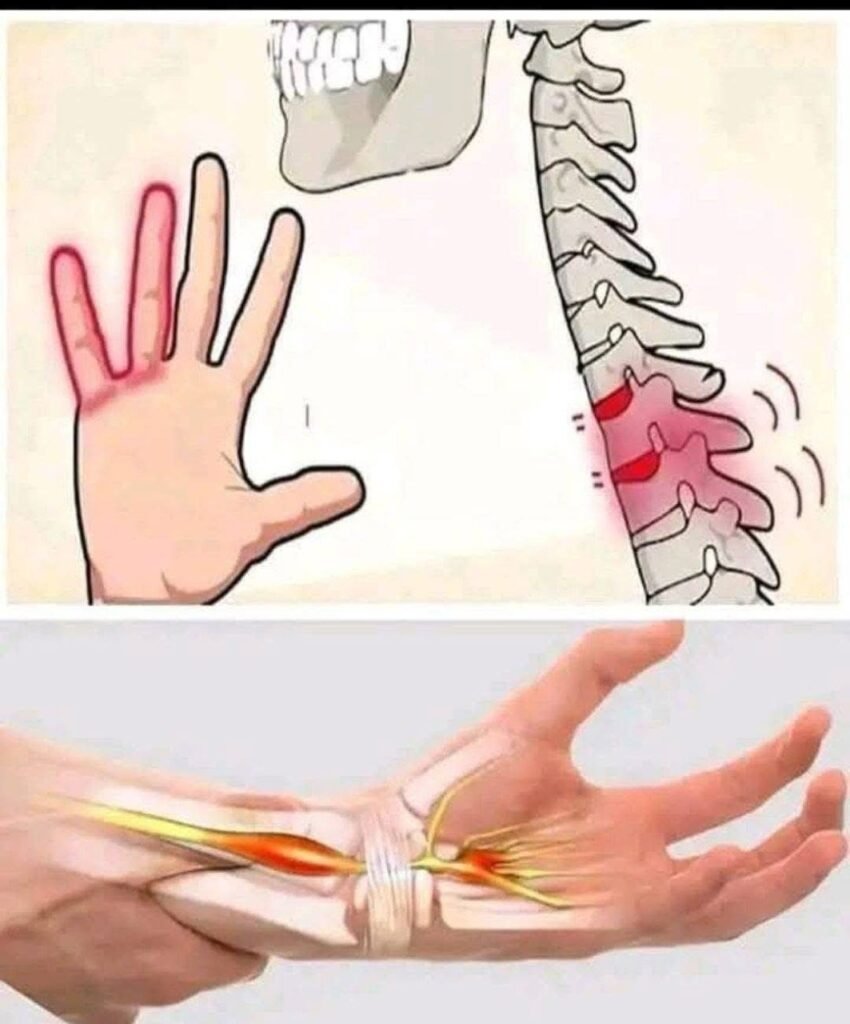
1. Carpal Tunnel Syndrome
One of the most common causes.
It occurs when the median nerve is compressed at the wrist.
Symptoms:
- Tingling in thumb, index, middle, and half of the ring finger
- Worse at night
- Hand weakness
- Dropping objects
Risk factors:
- Repetitive hand motions
- Typing or desk work
- Pregnancy
- Diabetes
2. Peripheral neuropathy
Damage to peripheral nerves, often linked to:
- Diabetes
- Alcohol abuse
- Vitamin B12 deficiency
- Certain medications
Symptoms:
- Numbness in both hands and/or feet
- Burning or sharp pain
- Gradual progression
3. Cervical radiculopathy
A nerve in the neck becomes compressed, often due to:
- Herniated disc
- Arthritis
- Injury
Symptoms:
- Numbness radiating from neck to arm
- Shoulder pain
- Weak grip
- Symptoms affecting one arm
4. Multiple sclerosis
A neurological autoimmune condition affecting the brain and spinal cord.
Symptoms may include:
- Persistent numbness
- Vision problems
- Balance issues
- Muscle weakness
This is far less common but should be considered if other neurological symptoms are present.
5. Vitamin Deficiencies
Especially Vitamin B12 deficiency, which is essential for nerve health.
Low levels can cause:
- Tingling in hands and feet
- Fatigue
- Memory problems
- Pale skin
When Should You See a Doctor?
Seek medical attention if:
- Numbness happens frequently
- It lasts longer than a few minutes
- You experience weakness
- Both hands are consistently affected
- Symptoms are worsening
- You have additional symptoms (vision changes, balance problems, severe pain)
Emergency care is needed if numbness occurs suddenly along with:
- Slurred speech
- Facial drooping
- Sudden confusion
- Severe headache
These could indicate a stroke.
How Is the Cause Diagnosed?
A doctor may use:
- Physical examination
- Nerve conduction studies
- Blood tests (for diabetes, B12 levels)
- MRI of neck or brain (if needed)
Treatment Options
Treatment depends on the cause:
- Temporary compression: Change posture, stretch, ergonomic adjustments
- Carpal tunnel: Wrist splints, physical therapy, possible surgery
- Neuropathy: Manage underlying condition (e.g., diabetes control)
- Vitamin deficiency: Supplements
- Neck issues: Physical therapy, medication, or surgical options
Can You Prevent It?
Yes, in many cases:
- Avoid prolonged pressure on wrists and elbows
- Maintain good posture
- Use ergonomic keyboards and chairs
- Take breaks from repetitive tasks
- Manage blood sugar levels
- Eat a balanced diet rich in B vitamins
Final Thoughts
If your hands occasionally fall asleep after lying on them, it’s usually harmless. But if it happens often, persists, or is accompanied by weakness or other neurological symptoms, it’s worth getting evaluated.
Most causes are treatable — especially when addressed early.
If you’d like, I can also provide:
- A simplified version
- A medically detailed version
- Or a version formatted for a blog or website
