If Your Hands Fall Asleep, It Could Be a Warning Sign
Experiencing tingling, numbness, or a “pins and needles” sensation in your hands is common, but if it happens frequently, it could indicate an underlying health issue. Doctors say it’s not just a minor inconvenience—it’s your body signaling that something may be affecting your nerves or circulation.
Here’s what you need to know.
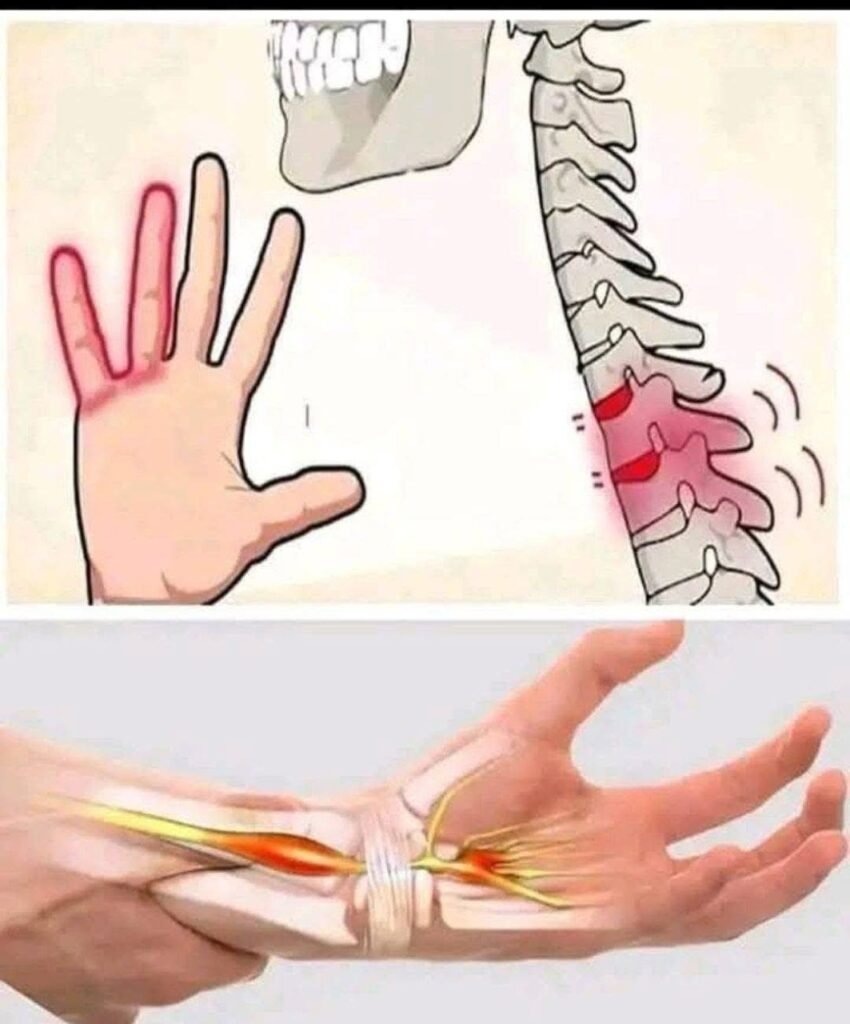
1. Carpal Tunnel Syndrome
One of the most common causes of hand numbness is carpal tunnel syndrome.
- Occurs when the median nerve in your wrist is compressed
- Symptoms include tingling, numbness, or weakness in the thumb, index, and middle fingers
- Often worse at night or after repetitive hand movements like typing
What to do: Wrist splints, ergonomic adjustments, and physical therapy can help; severe cases may require surgery.
2. Poor Circulation
Numb hands can signal that blood flow to your extremities is restricted.
- Causes include peripheral artery disease, blood clots, or even sitting/lying in one position for too long
- Poor circulation can also cause cold hands and slower healing
What to do: Gentle movement, exercise, and avoiding prolonged pressure on your hands or arms help improve circulation.
3. Vitamin and Mineral Deficiencies
Low levels of vitamin B12, magnesium, or potassium can affect nerve function, leading to tingling in the hands.
- Other signs include fatigue, weakness, or muscle cramps
- Seniors and people with digestive issues are more at risk
What to do: Blood tests can identify deficiencies; supplements may help restore nerve health.
4. Nerve Compression or Neuropathy
- Cervical spine issues (like a herniated disc in your neck) can compress nerves that travel to the hands
- Peripheral neuropathy, often caused by diabetes, affects the hands and feet, causing numbness and tingling
- Symptoms may include burning, sharp pain, or a “pins and needles” sensation
What to do: Diagnosis by a neurologist can guide treatment; managing underlying conditions like diabetes is crucial.
5. Other Possible Causes
- Thyroid issues
- Autoimmune conditions such as rheumatoid arthritis
- Medication side effects
- Excessive alcohol consumption leading to nerve damage
Frequent hand numbness should not be ignored, especially if accompanied by weakness or pain.
When to Seek Medical Help
See a doctor if:
- Numbness persists or recurs often
- You experience weakness, pain, or loss of coordination
- It affects daily activities
- Symptoms appear suddenly and are severe
Early diagnosis can prevent nerve damage and improve treatment outcomes.
Bottom Line
Hands falling asleep is more than a minor inconvenience—it’s a warning sign from your nervous system or circulatory system. While sometimes caused by temporary pressure or posture, frequent numbness could indicate carpal tunnel syndrome, nerve damage, circulation problems, or vitamin deficiencies.
Pay attention to your symptoms, track when they occur, and consult a healthcare provider to protect your nerve health.
If you want, I can also create a visual guide showing 5 common causes of hand numbness and what your body may be trying to tell you, which makes it easy to identify potential issues.
