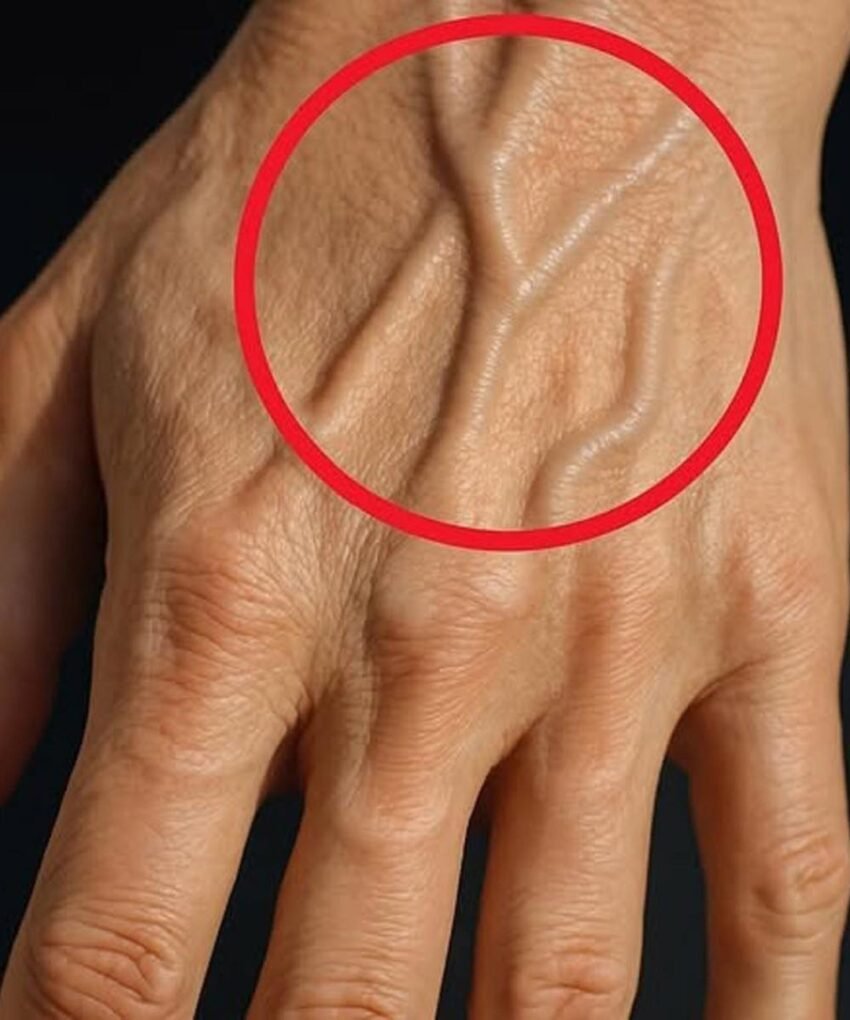
Visible veins, especially when they’re more pronounced, can be influenced by several factors. Here’s what it might mean:
1. Low Body Fat
- One of the most common reasons veins become more visible is low body fat. When there’s less fat beneath the skin, veins become more prominent. This is often seen in athletes or individuals with high muscle tone, particularly in their arms, legs, or chest.
2. Exercise
- Physical activity, especially weightlifting or cardio, increases blood flow and causes veins to temporarily bulge. This is due to the “vascularity” effect where muscles expand, pressing against veins and making them more noticeable. This is also why bodybuilders often have visible veins.
3. Genetics
- Some people are naturally predisposed to having more visible veins due to the structure and size of their veins, as well as skin thickness.
4. Age
- As we age, the skin tends to become thinner and loses elasticity, which can make veins appear more prominent. Additionally, reduced circulation can affect vein appearance.
5. Heat
- Warm temperatures can cause veins to dilate (expand), making them more visible. It’s why veins may be more noticeable in hot weather or after taking a hot shower.
6. Hydration Levels
- Dehydration can also make veins stand out more, as the blood volume decreases and veins become more concentrated.
7. Medical Conditions
- Conditions like varicose veins, venous insufficiency, or chronic conditions affecting blood circulation can make veins appear swollen or twisted.
- In some cases, it could indicate poor circulation or other circulatory issues. If the veins look abnormal or painful, it’s worth consulting a doctor.
8. Hormonal Changes
- Hormonal fluctuations, especially related to testosterone or estrogen, can make veins more visible. For example, during pregnancy or when on certain medications, you may notice increased vascularity.
If your veins are suddenly more visible and you’re not sure why, or if they cause discomfort, it’s a good idea to check in with a healthcare professional to rule out any underlying conditions. But, if it’s due to fitness or genetics, it’s usually nothing to worry about.
