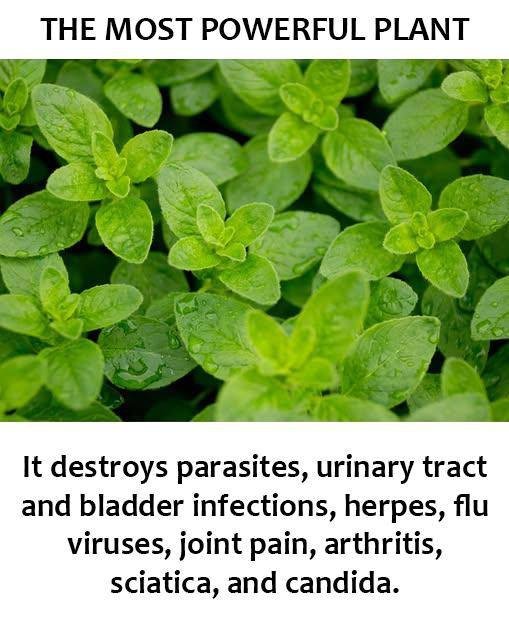
Oregano ( Origanum vulgare ) is often called one of the most powerful plants in the world because of its unusually high concentration of bioactive compounds, broad traditional uses, and strong aroma and flavor. Below is a comprehensive, evidence-informed overview—covering botany, chemistry, benefits, uses, and safety.
🌿 What Is Oregano?
- Family: Lamiaceae (mint family)
- Native to: Mediterranean region, Western Asia
- Plant type: Hardy perennial herb
- Flavor profile: Warm, peppery, slightly bitter
- Forms used: Fresh leaves, dried leaves, essential oil
Note: Culinary oregano and oregano essential oil are not interchangeable in strength or safety.
🧪 Key Active Compounds (Why It’s So Powerful)
Oregano contains some of the highest antioxidant and antimicrobial levels among culinary herbs.
Primary bioactives:
- Carvacrol – powerful antimicrobial, antifungal, anti-inflammatory
- Thymol – antiseptic, antifungal
- Rosmarinic acid – antioxidant, anti-inflammatory
- Flavonoids – quercetin, apigenin
- Terpenes – support aroma and biological activity
🧠 Carvacrol is the star compound responsible for much of oregano’s potency.
🛡️ Health Properties (Traditional & Studied)
1. Antimicrobial & Antifungal
- Active against bacteria, fungi, and some parasites
- Traditionally used for:
- Digestive infections
- Skin infections
- Food preservation (historically)
2. Anti-Inflammatory
- Helps modulate inflammatory pathways
- Traditionally used for:
- Joint discomfort
- Muscle aches
- Respiratory irritation
3. Antioxidant Powerhouse
- Neutralizes free radicals
- Helps protect cells from oxidative stress
- Dried oregano ranks among the highest antioxidant foods by weight
4. Digestive Support
- Stimulates bile flow
- May reduce bloating and gas
- Traditionally used for:
- Indigestion
- Intestinal discomfort
5. Respiratory Support
- Used historically for:
- Coughs
- Congestion
- Bronchial irritation
🍽️ Culinary Uses (Safe & Daily-Friendly)
- Mediterranean cooking staple
- Enhances:
- Tomato sauces
- Grilled meats
- Vegetables
- Soups and stews
- Works best when added toward the end of cooking to preserve volatile oils
Fresh vs dried:
- Dried oregano is more concentrated than fresh (use ~⅓ the amount)
💧 Oregano Oil (Important Distinction)
Oregano Essential Oil:
- Extremely concentrated
- Not safe to take undiluted
- Used externally or diluted under professional guidance
Common traditional uses:
- Antimicrobial support
- Topical applications (always diluted)
- Aromatherapy (respiratory clarity)
⚠️ Never apply undiluted oregano oil to skin or ingest it directly.
⚠️ Safety & Precautions
- Culinary amounts are very safe
- Concentrated oil may cause:
- Skin burns
- Digestive irritation
- Allergic reactions (especially if allergic to mint family)
- Avoid medicinal doses during:
- Pregnancy
- Breastfeeding
- With blood-thinning medications (high doses)
🌱 Growing & Sustainability
- Easy to grow
- Drought-tolerant
- Thrives in full sun
- Stronger flavor when slightly stressed (less water)
🧠 Why Oregano Is Considered “One of the Most Powerful Plants”
✔ Extremely high antioxidant content
✔ Broad-spectrum antimicrobial activity
✔ Long history in food and medicine
✔ Powerful even in small amounts
✔ Safe and accessible as a culinary herb
Summary
Oregano is far more than a pizza topping—it’s a potent botanical ally with centuries of use and modern scientific interest. Its strength lies in its concentration, versatility, and synergy of compounds, making it one of the most respected herbs worldwide.
If you’d like, I can also provide:
- A comparison with other “power herbs” (turmeric, garlic, thyme)
- How to use oregano safely for wellness
- Differences between oregano species
- Myth vs fact about oregano oil
Just tell me how deep you want to go 🌿
