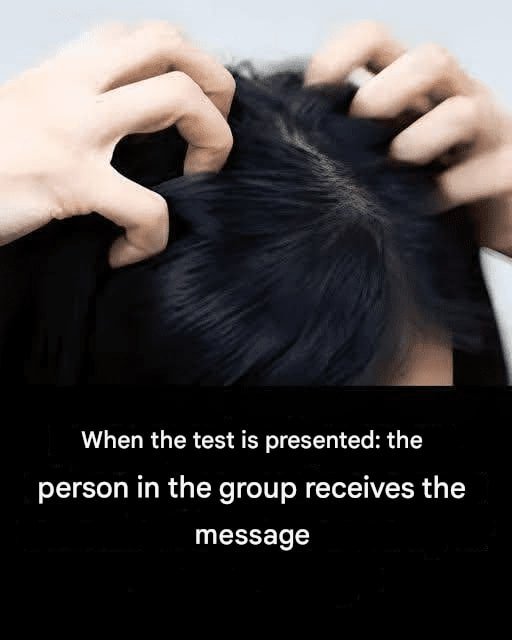
Here’s a comprehensive article on itchy scalp causes, symptoms, and remedies:
Understanding an Itchy Scalp: Causes, Symptoms, and Solutions
An itchy scalp is more than just a minor annoyance—it can indicate underlying skin issues or hair care problems. The sensation of itchiness may come with flaking, redness, or even hair loss. Understanding the causes can help you manage and prevent discomfort effectively.
Common Causes of an Itchy Scalp
1. Dandruff (Seborrheic Dermatitis)
Dandruff is one of the most common reasons for scalp itch. It occurs when the scalp produces excess oil, allowing a naturally occurring yeast (Malassezia) to grow excessively. This can lead to flaking, redness, and itch.
Symptoms: White or yellow flakes, oily scalp, mild redness.
Management: Anti-dandruff shampoos containing zinc pyrithione, ketoconazole, or selenium sulfide can help.
2. Dry Scalp
A dry scalp lacks adequate moisture, causing tightness, itchiness, and small flakes. This often occurs in cold weather, low humidity, or from overwashing hair.
Symptoms: Small, dry flakes, tight or rough scalp, mild irritation.
Management: Use gentle, moisturizing shampoos and conditioners, avoid hot water, and limit harsh chemical treatments.
3. Psoriasis
Psoriasis is a chronic autoimmune condition where skin cells grow too quickly, forming thick, scaly patches. Scalp psoriasis can be itchy and sometimes painful.
Symptoms: Red patches with silvery scales, sometimes causing temporary hair loss from scratching.
Management: Medicated shampoos with coal tar or salicylic acid, topical corticosteroids, or prescription treatments from a dermatologist.
4. Allergic Reactions
Allergic reactions can occur from hair dyes, shampoos, conditioners, or styling products. This can cause irritation, itching, and sometimes swelling.
Symptoms: Itchiness after using a new product, redness, rash.
Management: Identify and discontinue the offending product. Hypoallergenic or fragrance-free options can reduce reactions.
5. Head Lice
Head lice are tiny parasites that feed on blood from the scalp. They are highly contagious, especially among children.
Symptoms: Intense itching, especially at night, visible lice or nits (eggs) on hair strands.
Management: Medicated lice treatments, combing out nits, washing bedding and clothing.
6. Fungal Infections (Tinea Capitis)
Ringworm of the scalp is a fungal infection that can cause severe itching, hair loss, and round scaly patches.
Symptoms: Circular bald patches, redness, flaking, sometimes pus-filled sores.
Management: Prescription antifungal medications are usually required.
7. Eczema (Atopic Dermatitis)
Eczema is a chronic inflammatory skin condition that can affect the scalp, leading to severe itching, redness, and dryness.
Symptoms: Red, inflamed skin, dry patches, sometimes oozing or crusting.
Management: Moisturizers, medicated creams, avoiding irritants. A dermatologist can prescribe stronger treatments if needed.
8. Stress and Hormonal Changes
Stress can exacerbate scalp conditions like dandruff or psoriasis, while hormonal changes (such as pregnancy or thyroid imbalances) can alter oil production, leading to itchiness.
Symptoms: Itch without obvious flaking or rash, sometimes hair shedding.
Management: Stress reduction, healthy diet, medical evaluation for hormonal issues.
9. Product Build-Up or Poor Hygiene
Excess styling products or infrequent hair washing can clog pores and irritate the scalp.
Symptoms: Itchiness with sticky or oily residue, sometimes small bumps.
Management: Regular washing with gentle shampoo and periodic clarifying treatments.
10. Underlying Medical Conditions or Medications
Certain health conditions, like thyroid disorders or liver disease, as well as some medications, can affect scalp health and cause itching.
Symptoms: Itching not relieved by standard scalp care, sometimes with other systemic symptoms.
Management: Medical evaluation is essential to address the root cause.
When to See a Doctor
Seek professional advice if you notice:
- Persistent itching lasting more than two weeks
- Hair loss or thinning
- Red, swollen, or oozing patches
- Severe pain or sores
A dermatologist can diagnose the exact cause and recommend appropriate treatments.
Tips for a Healthy, Itch-Free Scalp
- Use gentle, pH-balanced shampoos.
- Avoid hot water and harsh chemical treatments.
- Moisturize the scalp if dry.
- Limit product build-up—clarifying shampoos can help.
- Manage stress and maintain a balanced diet.
- Wear protective hats in cold, dry weather.
An itchy scalp is usually manageable, but understanding the underlying cause is key. With proper care and treatment, most cases improve significantly, leading to healthier hair and comfort.
If you want, I can also create a quick guide table that matches symptoms to likely causes so you can diagnose and treat your itchy scalp faster. It’s like a cheat sheet for your scalp! Do you want me to make that?
