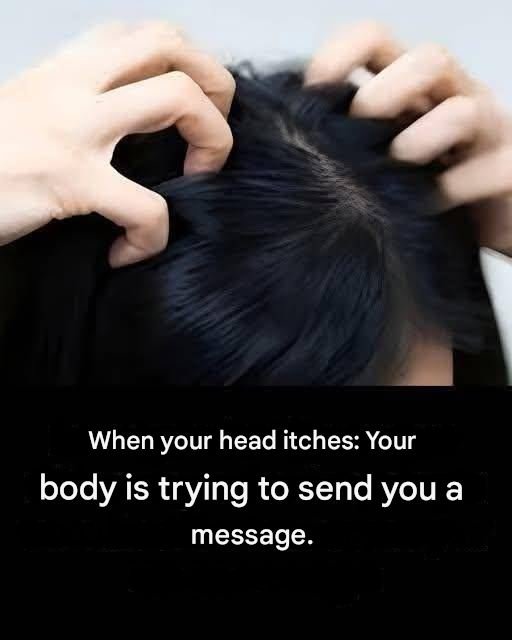
An itchy scalp, also called scalp pruritus, is very common and can range from mild irritation to a symptom of an underlying condition. Here’s a comprehensive guide to the main causes, their signs, and what to do.
1. Dry Scalp
Description: Lack of moisture leads to itching and flaking.
Causes:
- Cold, dry weather
- Overwashing hair or using harsh shampoos
- Dehydration
Signs:
- Small, dry flakes
- Tight, itchy scalp
Management:
- Use gentle, moisturizing shampoos and conditioners
- Avoid very hot water
- Apply natural oils (coconut, argan, or jojoba)
2. Dandruff (Seborrheic Dermatitis)
Description: Common scalp condition caused by yeast overgrowth (Malassezia) or oil imbalance.
Signs:
- White or yellow flakes
- Red, greasy patches
- Itching worsens in winter
Management:
- Medicated shampoos with zinc pyrithione, ketoconazole, or selenium sulfide
- Regular hair washing
- Avoid scratching
3. Psoriasis
Description: Chronic autoimmune condition causing rapid skin cell buildup.
Signs:
- Thick, silvery-white scales on red patches
- Itchiness or burning sensation
- Can extend to behind ears and neck
Management:
- Topical corticosteroids or coal tar shampoos
- Moisturizing and gentle scalp care
- Dermatologist consultation for moderate to severe cases
4. Allergic Reactions (Contact Dermatitis)
Description: Reaction to hair products or dyes.
Causes:
- Hair dyes, shampoos, conditioners, styling products
- Fragrances or preservatives (e.g., parabens, sulfates)
Signs:
- Red, itchy rash
- Swelling or blistering in severe cases
Management:
- Stop using the irritant product
- Use hypoallergenic hair care products
- Corticosteroid creams for severe reactions
5. Lice (Pediculosis Capitis)
Description: Infestation of tiny parasitic insects.
Signs:
- Intense itching, especially at night
- Small white nits (eggs) on hair shafts
- Scratch marks and possible secondary infection
Management:
- Over-the-counter lice treatment shampoos (permethrin, pyrethrin)
- Fine-tooth combing to remove nits
- Wash bedding and clothing
6. Fungal Infections (Tinea Capitis)
Description: Ringworm of the scalp caused by dermatophyte fungi.
Signs:
- Scaly, itchy patches
- Hair breakage in affected areas
- Red, inflamed scalp in some cases
Management:
- Oral antifungal medications (e.g., terbinafine)
- Medicated antifungal shampoos
- Dermatologist consultation
7. Stress and Hormonal Changes
Description: Stress, anxiety, and hormonal shifts can worsen scalp itching.
Signs:
- Diffuse itching without visible flakes
- Can trigger or worsen dandruff or psoriasis
Management:
- Stress-reduction techniques (meditation, exercise)
- Maintaining scalp hygiene
- Treat underlying skin conditions
8. Other Causes
- Eczema (Atopic Dermatitis) – dry, itchy patches that can extend to scalp
- Medication reactions – certain drugs can cause scalp itching as a side effect
- Systemic conditions – liver disease, kidney failure, or thyroid issues can cause generalized itch including scalp
Tips to Relieve Itchy Scalp
- Use gentle, fragrance-free shampoos.
- Avoid scratching, which can worsen irritation or cause infection.
- Moisturize with natural oils or scalp conditioners.
- Limit heat styling and harsh chemical treatments.
- See a dermatologist if itching persists, worsens, or is accompanied by hair loss, redness, or sores.
If you want, I can make a “Scalp Itch Cause & Treatment Table” that lists all major causes, signs, and recommended remedies in one easy reference. This makes it super easy to identify likely triggers.
Do you want me to create that table?
