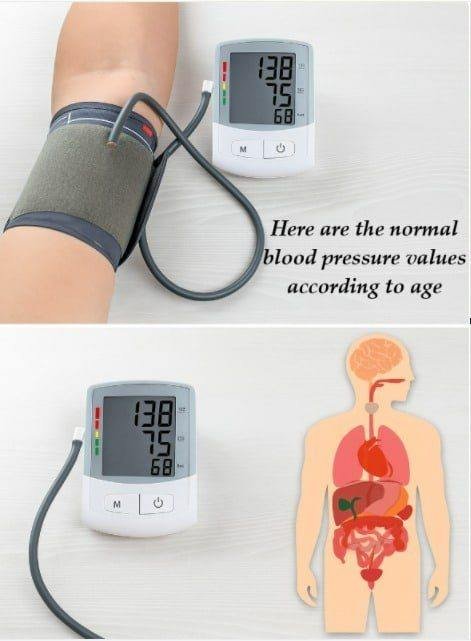
Here’s a complete, detailed article on normal blood pressure values:
Normal Blood Pressure Values: What You Need to Know
Blood pressure is a critical indicator of cardiovascular health. It measures the force of blood pushing against the walls of your arteries as your heart pumps. Maintaining blood pressure within a healthy range is essential for preventing heart disease, stroke, kidney problems, and other serious conditions.
Understanding Blood Pressure Readings
Blood pressure is recorded as two numbers, measured in millimeters of mercury (mmHg):
- Systolic Pressure (top number):
- Represents the pressure in your arteries when your heart beats.
- Higher numbers indicate greater force exerted on artery walls.
- Diastolic Pressure (bottom number):
- Represents the pressure in your arteries when your heart is at rest between beats.
- Lower numbers indicate the baseline pressure your arteries maintain.
Example: A reading of 120/80 mmHg means a systolic pressure of 120 mmHg and a diastolic pressure of 80 mmHg.
Normal Blood Pressure Values
According to the American Heart Association (AHA) and other international guidelines, blood pressure categories are as follows:
| Category | Systolic (mmHg) | Diastolic (mmHg) |
|---|---|---|
| Normal | Less than 120 | Less than 80 |
| Elevated | 120–129 | Less than 80 |
| Hypertension Stage 1 | 130–139 | 80–89 |
| Hypertension Stage 2 | 140 or higher | 90 or higher |
| Hypertensive Crisis* | Higher than 180 | Higher than 120 |
*Requires immediate medical attention.
Key Point: Blood pressure naturally fluctuates throughout the day, influenced by activity, stress, diet, and sleep. One high reading does not necessarily indicate hypertension.
Factors That Affect Blood Pressure
Several lifestyle and health factors influence blood pressure:
- Diet: High sodium intake can raise blood pressure, while potassium-rich foods help lower it.
- Physical Activity: Regular exercise helps maintain healthy blood pressure.
- Weight: Excess weight increases the strain on the heart.
- Stress: Chronic stress can contribute to elevated blood pressure.
- Sleep: Poor or insufficient sleep may lead to higher readings.
- Age: Blood pressure tends to increase with age due to stiffer arteries.
How to Measure Blood Pressure Accurately
- Sit quietly for at least 5 minutes before measuring.
- Keep your back supported and feet flat on the floor.
- Rest your arm on a table at heart level.
- Use a properly calibrated blood pressure cuff.
- Avoid caffeine, smoking, or exercise 30 minutes before measurement.
Tip: Take readings at the same time each day and record them to track trends.
Maintaining Healthy Blood Pressure
- Eat a balanced diet: Focus on fruits, vegetables, whole grains, and lean proteins.
- Reduce sodium: Aim for less than 2,300 mg per day (preferably under 1,500 mg).
- Exercise regularly: 30 minutes of moderate activity most days.
- Limit alcohol and avoid smoking.
- Manage stress: Meditation, deep breathing, or yoga can help.
- Regular check-ups: Early detection of elevated blood pressure prevents complications.
When to Seek Medical Advice
Seek medical attention if:
- Your blood pressure consistently exceeds 130/80 mmHg.
- You experience symptoms such as headaches, chest pain, shortness of breath, or vision changes.
- You have other conditions like diabetes, kidney disease, or heart disease.
Final Thoughts
Normal blood pressure is generally less than 120/80 mmHg, but maintaining it is a lifelong effort. Regular monitoring, a healthy lifestyle, and prompt medical consultation when needed can protect your heart, brain, and kidneys from long-term damage.
If you want, I can also create a simple visual chart of blood pressure categories with numbers and tips, which makes it easier to remember and track.
Do you want me to make that chart?
