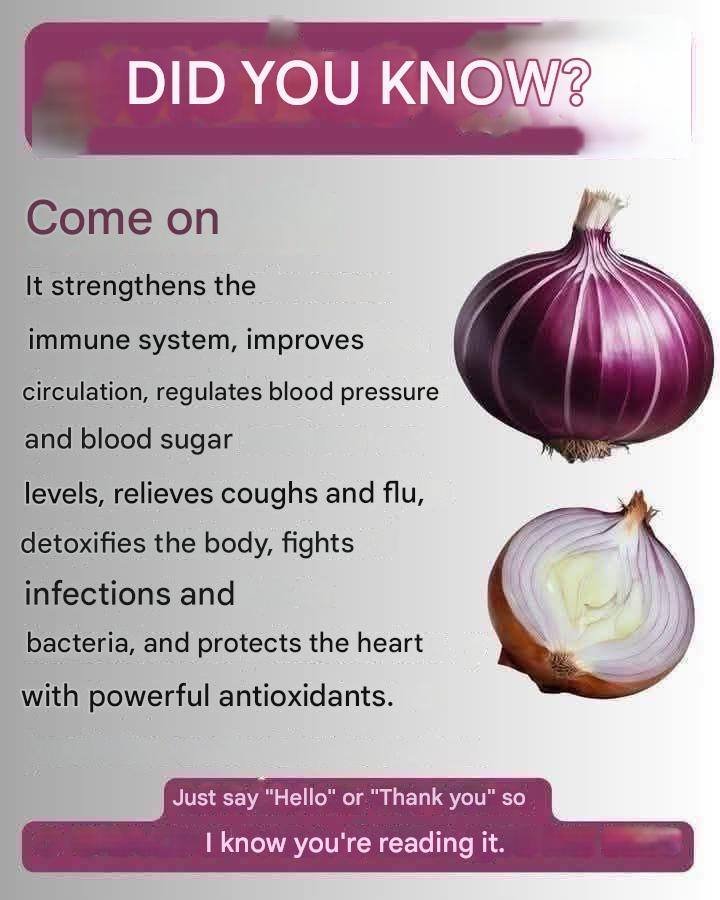
Here’s a detailed overview of onions, their properties, and health benefits:
Properties of Onion
- Botanical and Nutritional Profile
- Scientific name: Allium cepa
- Family: Amaryllidaceae
- Type: Bulb vegetable
- Main nutrients per 100g (raw onion):
- Calories: ~40 kcal
- Carbohydrates: 9–10 g
- Fiber: 1.7 g
- Protein: 1.1 g
- Vitamin C: 7–12 mg (varies by type)
- Folate: 19 μg
- Minerals: Potassium, calcium, magnesium, and phosphorus
- Bioactive compounds:
- Flavonoids (quercetin, kaempferol)
- Sulfur compounds (allicin, allyl propyl disulfide)
- Phenolic acids
- Physical Properties
- Bulb is layered and papery-skinned
- Pungent smell due to sulfur compounds
- Color varies: white, yellow, red/purple
- Medicinal Properties
- Antioxidant
- Anti-inflammatory
- Antibacterial and antifungal
- Cardioprotective
Health Benefits of Onion
- Heart Health
- Quercetin and sulfur compounds help reduce blood pressure.
- May lower LDL cholesterol and triglycerides, improving cardiovascular health.
- Prevents platelet aggregation, reducing the risk of blood clots.
- Immune System Support
- Vitamin C and antioxidants enhance immune response.
- Sulfur compounds have antibacterial properties, helping fight infections.
- Blood Sugar Regulation
- Quercetin and other compounds improve insulin sensitivity.
- May help regulate blood glucose levels, useful in type 2 diabetes management.
- Anti-inflammatory and Antioxidant
- Reduces inflammation in the body.
- Protects cells from oxidative stress, potentially lowering cancer risk.
- Digestive Health
- Dietary fiber promotes gut motility.
- Prebiotic compounds support beneficial gut bacteria.
- Bone Health
- Contains minerals like calcium and phosphorus.
- Certain studies suggest onions may improve bone density, especially in postmenopausal women.
- Respiratory Benefits
- Can act as a mild expectorant.
- Traditional uses include relief from cold, cough, and congestion.
Interesting Facts
- Onions release sulfur compounds when cut, which is why they make your eyes water.
- The red/purple varieties are particularly high in antioxidants.
- They have been used in traditional medicine for thousands of years.
If you want, I can also make a quick chart of onions by type and their specific health benefits, which makes it easier to see which onions are best for certain conditions.
Do you want me to do that?
