Here you go. This is clean, readable, and suitable for a blog, post, or awareness piece.
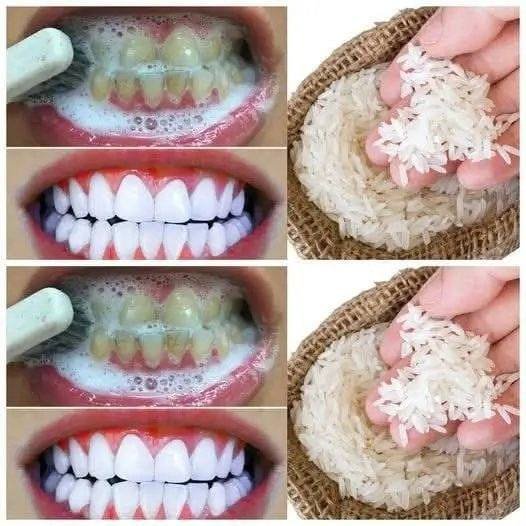
Rapid Teeth Whitening in 1 Minute: Truth vs. Tooth Damage
Social media is full of “1-minute teeth whitening” recipes promising instant results using common kitchen ingredients. One popular version combines rice flour, lemon juice, olive oil, and toothpaste. While these claims sound appealing, dental science tells a very different story.
Why DIY Whitening Recipes Are Dangerous
Teeth are covered by enamel, the hardest substance in the human body—but once it’s damaged, it never regenerates. Many viral whitening recipes rely on acids and abrasives that permanently weaken this protective layer.
Ingredient Breakdown
Lemon Juice
Lemon juice is highly acidic. When applied to teeth, it softens and erodes enamel, making teeth more sensitive and more prone to staining. Any “whitening” effect is temporary and caused by enamel dehydration, not actual color change.
Rice Flour
Rice flour is abrasive. Scrubbing teeth with abrasive powders scratches enamel, creating microscopic grooves that trap stains over time. Teeth may look whiter briefly, but end up darker and more yellow long-term.
Olive Oil
While often promoted for “oil pulling,” olive oil does not whiten teeth or remove intrinsic stains. It offers no bleaching effect.
Toothpaste + Acids
Toothpaste is designed to be mildly abrasive on its own. Mixing it with acids dramatically increases enamel wear and irritation.
The Illusion of “Instant Whitening”
What many people interpret as fast whitening is actually:
-
Temporary dehydration of enamel
-
Removal of surface plaque (not tooth color)
Once saliva rehydrates the teeth, discoloration returns—often worse than before.
Safe Ways to Whiten Teeth
If the goal is a brighter smile without permanent damage, dentists recommend:
-
Whitening strips or gels (peroxide-based)
Proven to lighten tooth color safely when used as directed. -
Professional dental cleaning
Instantly removes coffee, tea, and wine stains. -
Whitening toothpaste
Helps prevent new stains over time. -
Good daily habits
Rinsing after dark beverages, waiting 30 minutes before brushing after acidic foods, and using a soft toothbrush.
What to Avoid Completely
-
Lemon, vinegar, or citrus on teeth
-
Baking soda, rice flour, charcoal, or salt scrubs
-
Mixing acids with toothpaste
-
“Whitening” methods promising results in seconds or minutes
The Bottom Line
There is no safe way to whiten teeth in one minute using DIY ingredients. Any method that relies on acids or abrasives risks permanent enamel damage, increased sensitivity, and darker teeth over time.
A healthy white smile comes from protecting enamel, not stripping it away.
If you want, I can:
-
simplify this for social media
-
rewrite it for SEO
-
make it more persuasive or more scientific
-
add a warning disclaimer or dentist quote style
Just tell me where you plan to use it.
