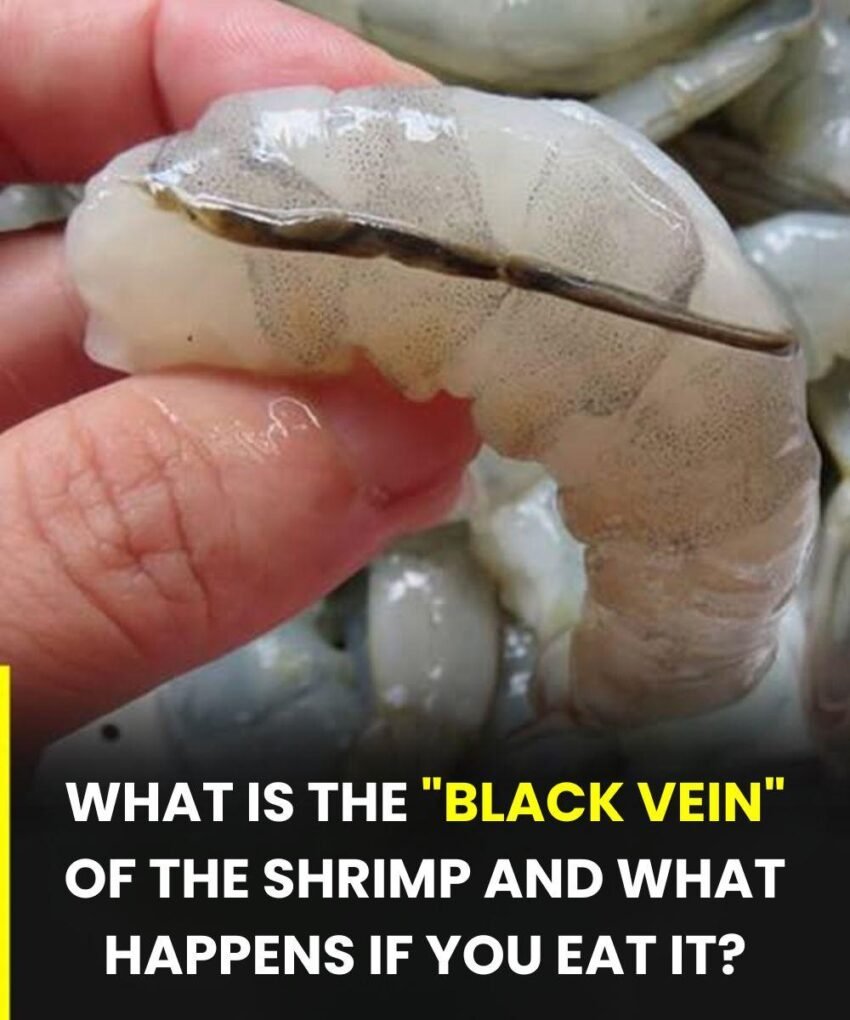
Ah yes—the infamous shrimp “vein”! That little culinary detail that sparks a lot of curiosity (and sometimes confusion) 🦐. Let’s break it down clearly:
1. What is it, really?
- The “vein” is not a vein at all—it’s actually the shrimp’s digestive tract, sometimes called the intestinal tract.
- It runs along the back of the shrimp and may contain sand, grit, or partially digested food, which is why it’s often removed.
2. Does it need to be removed?
- Small shrimp: Usually fine to cook with the “vein” intact. The taste and safety risk are minimal.
- Large shrimp: Many chefs remove it for cosmetic reasons (it can look dark or gritty) and for texture, since it may feel gritty or stringy.
3. How to remove it (deveining)
- Peel the shrimp, leaving the tail if you like presentation.
- Use a small knife or shrimp deveiner to make a shallow cut along the back.
- Lift out the dark line and rinse under cold water.
4. Fun culinary facts
- Some cuisines leave it intact, especially in small shrimp dishes, because it doesn’t alter flavor much.
- “Deveining” doesn’t remove bacteria—it’s mainly for aesthetics and mouthfeel.
- Freezing shrimp often makes the vein easier to see and remove.
✅ Bottom line: It’s mostly about preference. Removing it gives a cleaner look and smoother bite, but it’s not a health hazard in most cases.
If you want, I can also explain why some chefs actually prefer to leave it in certain dishes—it’s a surprisingly subtle flavor trick! Do you want me to go into that?
