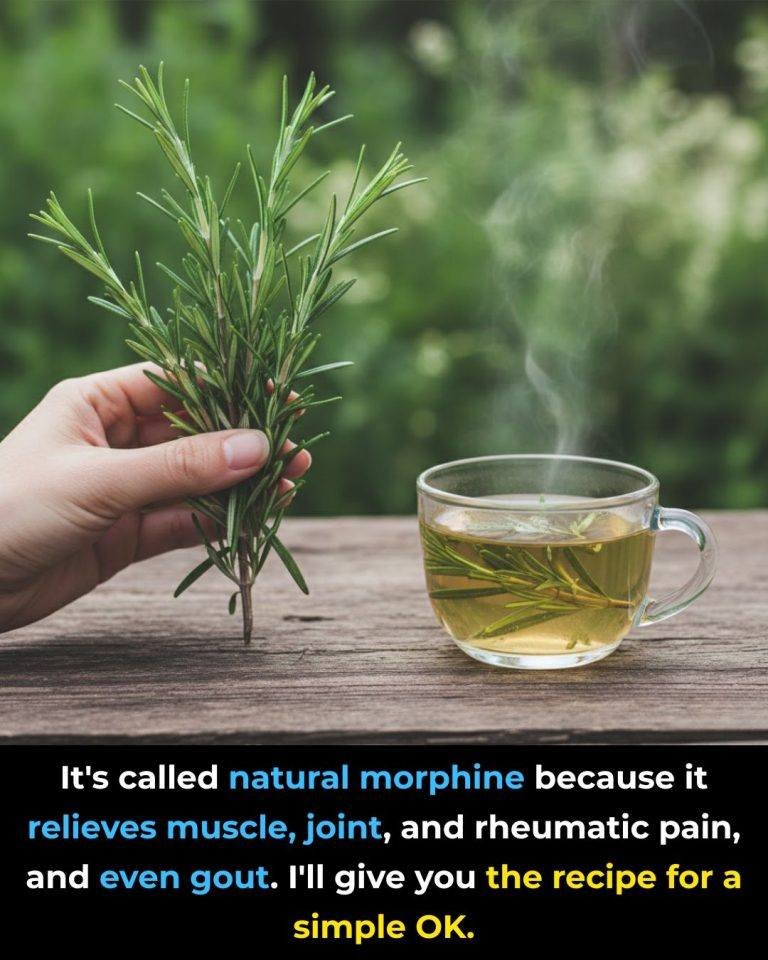
The phrase “natural morphine” is a bit of marketing language—no plant actually works the same way as real opioids like Morphine. However, a few herbal remedies are popularly described this way because they can reduce pain and inflammation. The one most often linked to your description is:
🌿 Devil’s Claw
🔬 What it is
A plant native to southern Africa. The tuber (root) is used medicinally and contains active compounds called harpagosides.
⚙️ How it works
Unlike opioids, it does not block pain in the brain. Instead, it works more like an anti-inflammatory:
- Inhibits inflammatory pathways (similar to mild NSAIDs)
- Reduces production of inflammatory chemicals (like prostaglandins)
- May help relax muscles and improve joint mobility
👉 So it treats the cause of pain (inflammation) rather than just masking it.
💊 What it’s used for
1. Joint & muscle pain
- Back pain
- Neck stiffness
- Sports injuries
Evidence suggests moderate effectiveness, especially for chronic lower back pain.
2. Arthritis & rheumatism
- Helpful in conditions like Osteoarthritis
- Reduces stiffness and improves movement over time
3. Gout
- May help with inflammation in Gout
- Important: it does NOT lower uric acid (the root cause), so it’s supportive—not a cure
📊 Effectiveness (what research says)
- Some clinical studies show comparable relief to mild NSAIDs for back pain
- Works gradually (days to weeks), not instantly like painkillers
- Best for chronic inflammation, not sudden severe pain
⚠️ Safety & side effects
Generally safe when used properly, but can cause:
- Stomach upset
- Diarrhea
- Headache (rare)
Avoid or use caution if you:
- Have stomach ulcers
- Are pregnant or breastfeeding
- Take blood thinners or heart medications
❗ Important reality check
Calling it “natural morphine” is misleading because:
- It does not act on opioid receptors
- It is much weaker than morphine
- It is non-addictive, which is a benefit—but also means less intense pain relief
🧠 Bottom line
- Good option for chronic joint, muscle, and rheumatic pain
- Can help gout symptoms, but won’t treat the underlying cause
- Works best as a long-term anti-inflammatory support, not a fast painkiller
If you want, I can compare it with other “natural painkillers” like turmeric, willow bark, or boswellia and tell you which is strongest for your specific condition.
