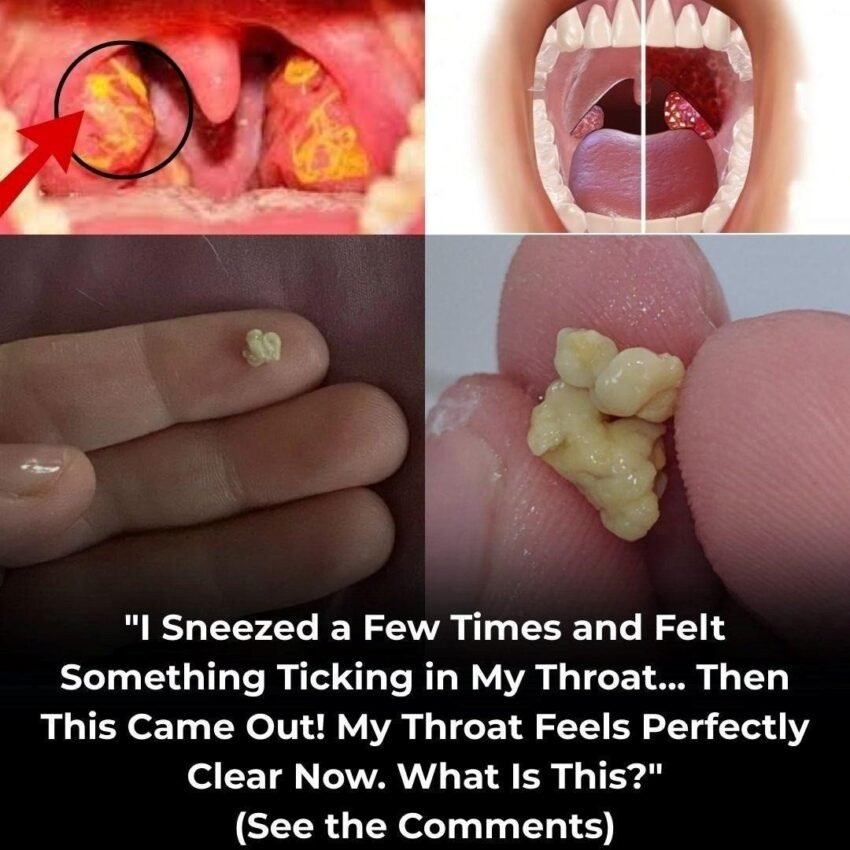
Tonsil stones, also known as tonsilloliths, are small, hard lumps that can form in the crypts (crevices) of your tonsils. While they can be uncomfortable and sometimes even smelly, they’re typically not a cause for major concern. Here’s everything you need to know about tonsil stones:
What Are Tonsil Stones?
- Tonsil stones are clumps of debris that become trapped in the folds of the tonsils. These particles can include dead cells, bacteria, and food particles.
- Over time, this debris hardens or calcifies, forming small, white or yellowish lumps that can vary in size from small pellets to larger masses.
Why Do Tonsil Stones Form?
Tonsil stones develop in the tonsils’ crypts, which are natural pockets or folds in the tissue. These areas can trap food, mucus, dead skin cells, and bacteria. When these particles are left to accumulate, they can harden and form stones.
The main reasons tonsil stones develop include:
- Chronic inflammation of the tonsils: People who have frequent tonsillitis (inflammation of the tonsils) are more likely to develop tonsil stones.
- Poor oral hygiene: Not brushing or flossing regularly can contribute to the accumulation of bacteria and debris in the mouth, which may lead to the formation of tonsil stones.
- Large tonsil crypts: Some people naturally have larger crypts that make it easier for debris to get stuck and form stones.
- Dry mouth: When your mouth is dry, it may not wash away food particles or bacteria as effectively, which can lead to stones.
Symptoms of Tonsil Stones:
While many people with tonsil stones don’t experience any symptoms, some common signs to look out for include:
- Bad breath (halitosis): This is the most common symptom. Tonsil stones can release a foul odor due to the bacteria trapped inside them.
- Sore throat: Stones can irritate the surrounding tissue, leading to discomfort or a scratchy feeling.
- Difficulty swallowing: Larger stones can sometimes cause a feeling of something being stuck in the back of the throat.
- Ear pain: Tonsil stones can sometimes cause referred pain in the ears.
- Visible white or yellow lumps: You may notice the tonsil stones themselves, particularly if you look at your tonsils in a mirror with a flashlight.
Should You Panic?
While tonsil stones are often annoying and unpleasant, they’re generally harmless. In most cases, they don’t lead to serious health issues. They might cause discomfort or embarrassment, but they won’t usually cause long-term harm. However, if tonsil stones become large, cause frequent infections, or are difficult to remove, it’s a good idea to consult a healthcare provider.
When to See a Doctor:
- If you have persistent sore throats, especially if you experience frequent tonsillitis.
- If tonsil stones are painful, swollen, or if you find it hard to swallow.
- If you notice repeated infections or fever, which could indicate an infection in your tonsils that might need medical attention.
How to Prevent Tonsil Stones:
While you can’t always prevent tonsil stones from forming, there are steps you can take to reduce the likelihood:
- Good oral hygiene: Brush your teeth, gums, and tongue twice daily. Use mouthwash to help reduce bacteria.
- Stay hydrated: Drinking plenty of water helps wash away food particles and bacteria that could contribute to tonsil stones.
- Gargling with salt water: This can help dislodge small stones and soothe the throat.
- Avoid smoking: Smoking can dry out the mouth and irritate the tonsils.
- Use a water flosser: Some people find using a water flosser helps to gently rinse out the tonsils and reduce debris buildup.
- Regular tonsil exams: If you frequently get tonsil stones, it may help to check your tonsils regularly to catch them early.
How to Treat Tonsil Stones:
- Gargling: Gargling with warm salt water or a mouthwash that contains antimicrobial agents can help dislodge small tonsil stones and reduce discomfort.
- Manual Removal: Some people use a cotton swab or a clean finger to gently remove tonsil stones at home. If they’re visible and easily accessible, you can try to push them out with a gentle touch.
- Water Flossers: Devices like a water flosser can help remove debris from tonsil crypts more gently and thoroughly than using a cotton swab.
- Tonsillectomy: In rare cases, especially for people who suffer from chronic tonsil stones or recurrent tonsillitis, a tonsillectomy (surgical removal of the tonsils) may be recommended by a doctor.
Final Thoughts:
Tonsil stones can be a nuisance, but they’re rarely a serious health concern. Most of the time, they can be managed with good oral hygiene and simple home remedies. If you’re having trouble removing them or if they’re causing pain or frequent infections, it’s a good idea to consult with a healthcare provider.
If you’re unsure whether you have tonsil stones or if you’re concerned about your symptoms, a visit to the doctor or an ENT specialist (ear, nose, and throat) can give you the peace of mind you need!
Have you experienced tonsil stones before, or are you looking for a specific remedy to help with symptoms?
