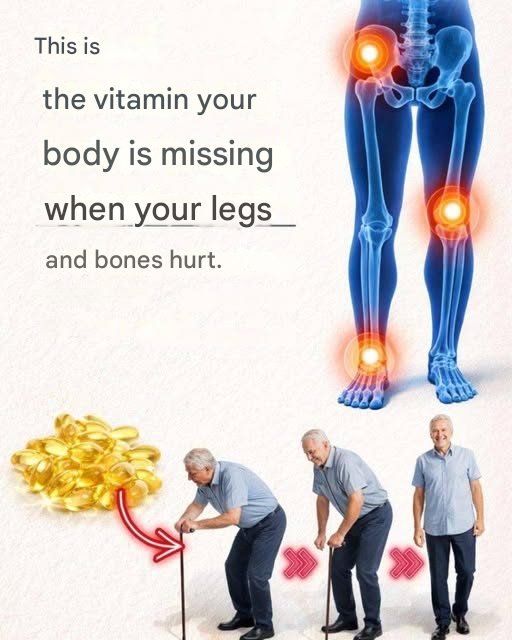
Here’s a detailed article on Vitamin D and its importance for the human body:
Vitamin D: Why It’s Essential for Our Body
Vitamin D, often called the “sunshine vitamin,” is a fat-soluble vitamin that plays a crucial role in maintaining overall health. Unlike most vitamins, our bodies can produce it when the skin is exposed to sunlight. It can also be obtained from certain foods and supplements. Here’s why Vitamin D is so important:
1. Supports Bone Health
Vitamin D helps the body absorb calcium and phosphorus from food, which are critical minerals for building and maintaining strong bones and teeth. Without sufficient Vitamin D, bones can become thin, brittle, or misshapen. In children, deficiency can lead to rickets, while in adults, it may result in osteomalacia or contribute to osteoporosis.
2. Boosts Immune Function
Vitamin D plays a vital role in the immune system. It enhances the pathogen-fighting effects of white blood cells and reduces inflammation. Adequate levels of Vitamin D can help the body defend against infections and may even lower the risk of chronic diseases related to immune dysfunction.
3. Supports Muscle Function
Vitamin D is essential for normal muscle function. Low levels of this vitamin can cause muscle weakness, increasing the risk of falls, especially in older adults.
4. Regulates Mood and Mental Health
Research suggests that Vitamin D may influence mood regulation and brain health. Deficiency has been linked to an increased risk of depression and cognitive decline. While it’s not a cure, maintaining adequate Vitamin D levels may support mental well-being.
5. May Reduce Risk of Certain Chronic Diseases
Emerging studies indicate that Vitamin D might play a role in reducing the risk of certain diseases, including cardiovascular disease, diabetes, and some cancers. While research is ongoing, adequate Vitamin D levels are generally associated with better long-term health outcomes.
Sources of Vitamin D
- Sunlight: UVB rays help the skin synthesize Vitamin D naturally. Around 10–30 minutes of midday sun several times per week can be sufficient, depending on skin type and location.
- Food: Fatty fish (like salmon and mackerel), fortified dairy products, eggs, and mushrooms exposed to sunlight are good sources.
- Supplements: Vitamin D supplements are useful for people who get limited sun exposure or have difficulty absorbing nutrients.
Recommended Intake
The recommended daily intake of Vitamin D varies by age, health status, and exposure to sunlight. Generally:
- Infants: 400 IU (10 mcg)
- Children & Adults: 600–800 IU (15–20 mcg)
- Older adults: 800 IU (20 mcg)
Conclusion
Vitamin D is essential for strong bones, a healthy immune system, proper muscle function, and overall well-being. While sunlight is the most natural source, diet and supplements are crucial for maintaining adequate levels, especially in regions with limited sun exposure. Regular monitoring and consultation with healthcare providers can help ensure optimal Vitamin D status.
If you want, I can also make a simplified, “readable in 2 minutes” version of this article that’s perfect for general audiences. It would keep all the key points but be more concise. Do you want me to do that?
