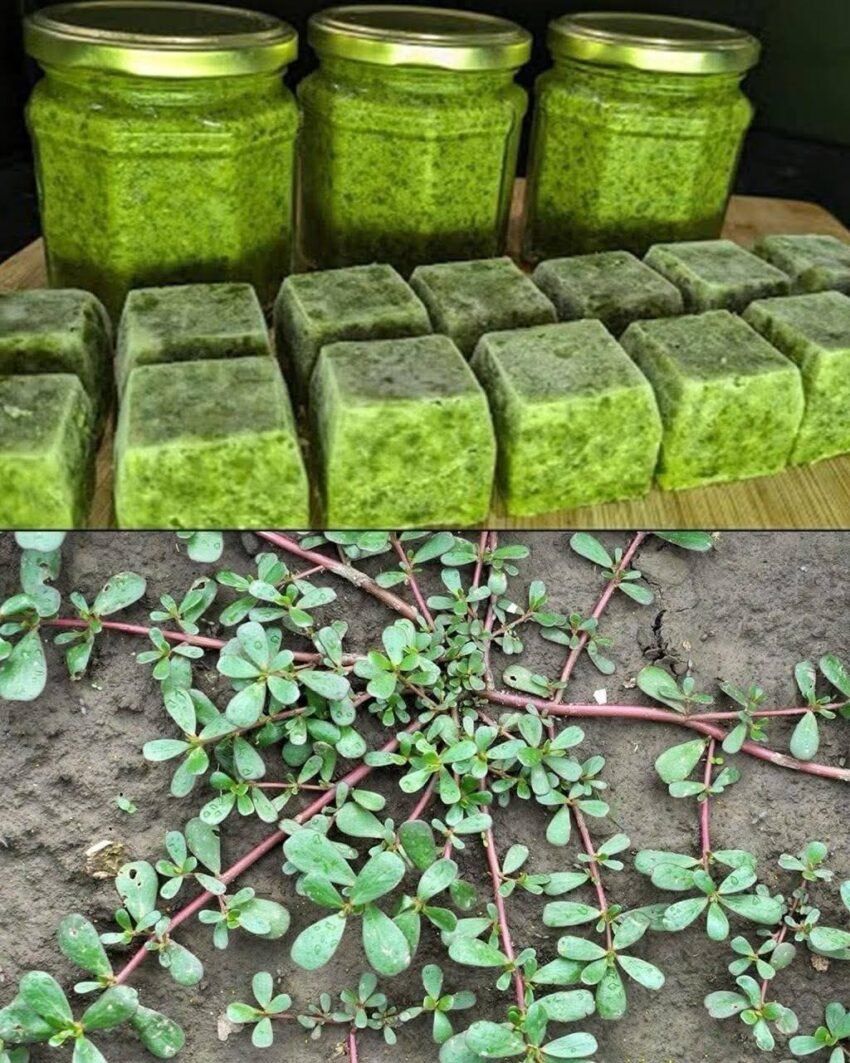
What Happens to Your Body When You Eat Purslane Every Day — Especially After 60
Often dismissed as a garden weed, Purslane is actually one of the most nutrient-dense leafy greens in the world. With its slightly lemony flavor and crisp texture, this succulent plant has been used in Mediterranean, Middle Eastern, and Asian cuisines for centuries.
For adults over 60, adding purslane to your daily diet may offer several impressive health benefits — but there are also a few things to keep in mind.
🌿 1. Supports Heart Health
After 60, heart health becomes a top priority. Purslane is one of the richest plant sources of omega-3 fatty acids, particularly alpha-linolenic acid (ALA).
What this may do:
- Help reduce inflammation
- Support healthy cholesterol levels
- Improve blood vessel flexibility
- Lower risk of cardiovascular disease
Because inflammation increases with age, omega-3 intake becomes especially important in later decades.
🧠 2. May Help Protect Brain Function
Cognitive decline becomes more common with age. The omega-3s and antioxidants in purslane may help protect brain cells from oxidative stress.
Daily consumption may:
- Support memory and focus
- Help reduce age-related inflammation
- Protect neurons from damage
While it’s not a cure for dementia, it’s a powerful addition to a brain-friendly diet.
🦴 3. Strengthens Bones
Purslane contains:
- Calcium
- Magnesium
- Potassium
- Vitamin K
These nutrients work together to maintain bone density and reduce the risk of osteoporosis — a major concern after 60, especially for women.
🩸 4. Helps Regulate Blood Sugar
Blood sugar control becomes more challenging with age. Some studies suggest purslane may improve insulin sensitivity and help stabilize blood glucose levels.
For people managing type 2 diabetes or prediabetes, adding purslane to meals may:
- Reduce post-meal sugar spikes
- Improve metabolic health
(Always consult a healthcare provider before making dietary changes if you’re on medication.)
🛡️ 5. Powerful Anti-Inflammatory Effects
Aging is associated with chronic low-grade inflammation (“inflammaging”). Purslane is rich in:
- Vitamin C
- Vitamin E
- Beta-carotene
- Glutathione
- Polyphenols
These antioxidants may help combat oxidative stress linked to arthritis, heart disease, and aging skin.
💧 6. Supports Hydration
Because purslane is a succulent, it contains a high percentage of water. This can help support hydration — something many older adults struggle with.
Proper hydration supports:
- Kidney function
- Digestion
- Energy levels
- Joint lubrication
🦠 7. Promotes Digestive Health
Purslane provides fiber, which:
- Supports healthy bowel movements
- Feeds beneficial gut bacteria
- Reduces constipation risk (common after 60)
A healthy gut also supports immune function and nutrient absorption.
⚠️ Important Considerations After 60
While purslane is highly nutritious, there are a few cautions:
1️⃣ Oxalates
Purslane contains oxalates, which may contribute to kidney stones in susceptible individuals. Those with a history of kidney stones should speak with a healthcare provider.
2️⃣ Blood Thinners
Because of its vitamin K content, people taking anticoagulants (like warfarin) should keep intake consistent and consult their doctor.
3️⃣ Proper Identification
If foraging, ensure correct identification of Purslane, as some look-alike plants may not be edible.
🥗 How to Eat Purslane Daily
- Add raw to salads for a lemony crunch
- Blend into green smoothies
- Stir into soups or stews
- Sauté lightly with garlic and olive oil
- Mix into yogurt or grain bowls
A small handful per day is usually enough to gain benefits.
🌟 The Bottom Line
For adults over 60, eating purslane daily may:
✔️ Support heart and brain health
✔️ Strengthen bones
✔️ Help balance blood sugar
✔️ Reduce inflammation
✔️ Improve digestion and hydration
It’s not a miracle cure — but it’s a remarkably powerful, affordable superfood that often grows right in your backyard.
If you’d like, I can also provide:
- A 7-day purslane meal plan
- Scientific references behind the benefits
- Or a comparison between purslane and spinach for seniors
