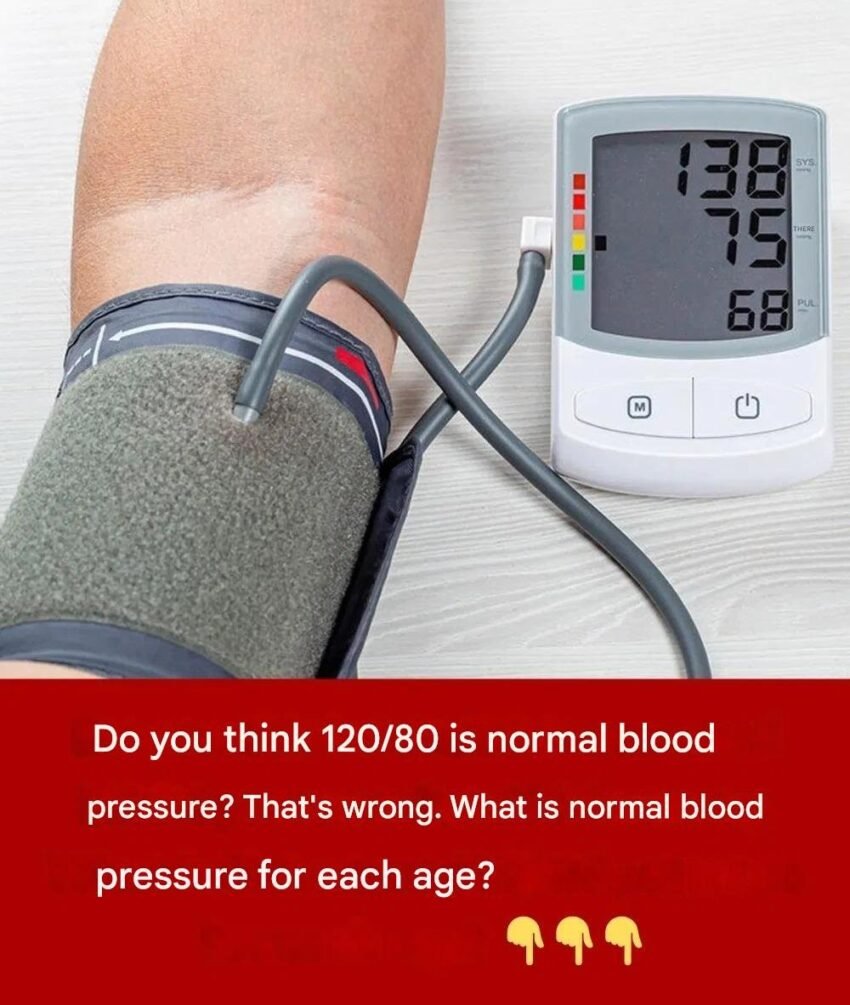
Here’s a clear, medically grounded full article that explains blood pressure by age—without panic, and with helpful context.
🩺 What Is Normal Blood Pressure for Each Age Group?
(And When Numbers Become a Concern)
Blood pressure is one of the most important indicators of heart and overall health—but many people are confused about what’s considered “normal,” especially as we age.
While blood pressure can change over time, high blood pressure is not a normal or harmless part of aging. Understanding healthy ranges for each age group can help you catch problems early and protect your heart, brain, and kidneys.
📊 Understanding Blood Pressure Numbers
A blood pressure reading has two numbers:
- Systolic (top number): pressure when the heart beats
- Diastolic (bottom number): pressure when the heart rests
Example: 120/80 mmHg
✅ Normal Blood Pressure by Age Group
🧒 Children (1–12 years)
Normal blood pressure varies by age, height, and sex, but generally:
- 90/60 to 110/75 mmHg
Doctors use percentile charts rather than one fixed number for children.
🧑 Teens (13–17 years)
As the body matures, normal ranges resemble adult levels:
- Below 120/80 mmHg
Readings consistently above this may need monitoring.
🧑 Adults (18–39 years)
Ideal blood pressure for young adults:
- 90/60 to 120/80 mmHg
Healthy lifestyle habits at this stage play a huge role in preventing future hypertension.
🧔 Adults (40–59 years)
Blood pressure may start to rise due to:
- Artery stiffness
- Stress
- Weight changes
Target range:
- Below 120/80 mmHg (ideal)
- 120–129/<80 mmHg (elevated, needs attention)
🧓 Seniors (60+ years)
For older adults, doctors focus on safety and overall health, not just numbers.
- Ideal target: below 130/80 mmHg
- Some individuals may be advised to stay below 140/90 mmHg, depending on health conditions
👉 Very low blood pressure can increase fall risk, so balance matters.
🚦 Blood Pressure Categories (All Adults)
| Category | Reading |
|---|---|
| Normal | Below 120/80 |
| Elevated | 120–129 / <80 |
| High BP (Stage 1) | 130–139 / 80–89 |
| High BP (Stage 2) | 140+/90+ |
| Hypertensive Crisis | 180+/120+ |
A single high reading isn’t a diagnosis—consistent readings over time matter.
⚠️ Why Blood Pressure Often Rises With Age
- Arteries lose flexibility
- Sodium sensitivity increases
- Physical activity may decrease
- Chronic conditions become more common
But again—high blood pressure is not inevitable.
🩺 When to Be Concerned
Talk to a healthcare provider if:
- Readings are consistently above 130/80
- You experience headaches, dizziness, chest pain, or vision changes
- Blood pressure suddenly changes from your normal range
🌿 How to Support Healthy Blood Pressure at Any Age
- Reduce salt and ultra-processed foods
- Eat fruits, vegetables, whole grains
- Stay physically active
- Maintain a healthy weight
- Manage stress and sleep well
- Limit alcohol and avoid smoking
Small changes add up—especially over time.
🔑 Final Takeaway
- Normal blood pressure doesn’t dramatically increase with age
- The ideal target for most adults remains below 120/80
- Individual goals may vary, especially after 60
- Regular monitoring is key to long-term health
Knowing your numbers—and what they mean for your age—empowers you to take control of your health early and confidently.
If you’d like, I can also:
- Explain why systolic pressure matters more as we age
- Share natural ways to lower blood pressure
- Create a printable blood pressure chart
- Help interpret home blood pressure readings
Just let me know 💙
