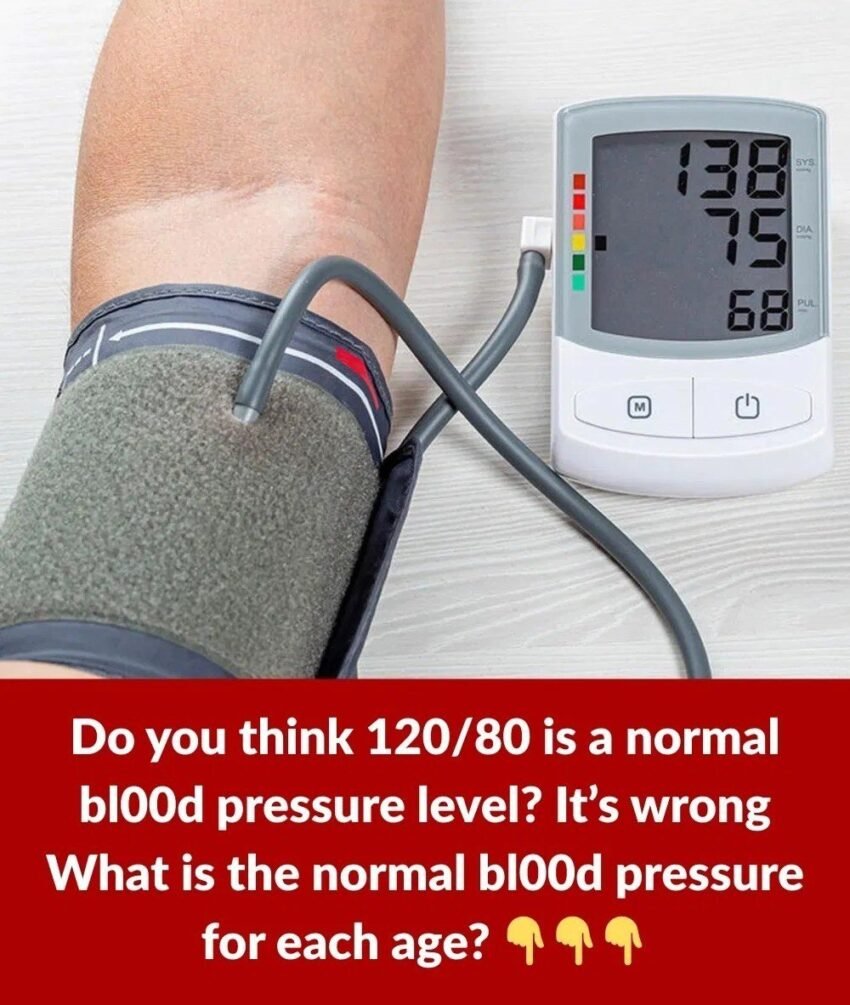
Here’s a detailed, clear, and updated guide on normal blood pressure by age:
What Is Normal Blood Pressure for Your Age? A Clear, Updated Guide
Blood pressure (BP) is a measure of the force your blood exerts on your arteries as your heart pumps. Maintaining a healthy blood pressure is essential because high or low readings can increase the risk of heart disease, stroke, and other health problems.
Blood pressure is recorded as two numbers:
- Systolic pressure (top number) – the pressure when your heart beats.
- Diastolic pressure (bottom number) – the pressure when your heart rests between beats.
A typical reading looks like 120/80 mmHg, where 120 is systolic and 80 is diastolic.
1. Blood Pressure Categories (All Ages)
According to the American Heart Association (AHA):
| Category | Systolic (mmHg) | Diastolic (mmHg) |
|---|---|---|
| Normal | <120 | <80 |
| Elevated | 120–129 | <80 |
| Hypertension Stage 1 | 130–139 | 80–89 |
| Hypertension Stage 2 | ≥140 | ≥90 |
| Hypertensive Crisis | >180 | >120 |
Note: “Elevated” is not dangerous yet but signals that lifestyle changes are recommended.
2. Typical Blood Pressure by Age
| Age Group | Typical/Normal BP | Notes |
|---|---|---|
| Children (1–12) | 90–110 / 55–75 | BP varies by age and height; pediatricians track percentiles. |
| Teens (13–19) | 110–120 / 70–80 | Normal BP often increases with growth. |
| Adults (20–39) | 110–125 / 70–80 | Young adults typically have lower BP. |
| Adults (40–59) | 120–135 / 75–85 | Slight rise due to arterial stiffness and lifestyle. |
| Seniors (60+) | 130–145 / 75–85 | Systolic BP tends to rise with age; diastolic may decrease. |
3. Factors That Affect Blood Pressure
- Lifestyle: Diet, exercise, smoking, and alcohol use.
- Weight: Higher BMI increases risk of hypertension.
- Stress & sleep: Poor sleep or chronic stress can elevate BP.
- Medical conditions: Diabetes, kidney disease, and heart disease can influence BP.
- Medications: Some medications, like NSAIDs or decongestants, can raise BP.
4. Tips for Maintaining Healthy Blood Pressure
- Eat a heart-healthy diet: Focus on fruits, vegetables, whole grains, and lean proteins.
- Reduce sodium intake: Aim for <2,300 mg/day.
- Exercise regularly: At least 150 minutes of moderate activity per week.
- Maintain healthy weight: Even small weight loss can lower BP.
- Limit alcohol & avoid smoking: Both can raise BP.
- Monitor at home: Home BP monitors help track trends accurately.
- Manage stress: Yoga, meditation, and deep breathing exercises are effective.
5. When to Seek Medical Help
- Persistent readings ≥130/80 mmHg (Hypertension Stage 1).
- Readings ≥180/120 mmHg (Hypertensive crisis) – seek immediate medical attention.
- Symptoms like severe headache, dizziness, chest pain, or vision changes.
Key Takeaways
- Normal blood pressure changes slightly with age, generally rising with older adulthood.
- Lifestyle modifications are highly effective for keeping BP in a healthy range.
- Regular monitoring and medical checkups are essential to prevent long-term complications.
If you want, I can make a visual chart showing normal BP ranges for each decade of life, which makes it easier to reference quickly and share with family or patients.
Do you want me to create that chart?
