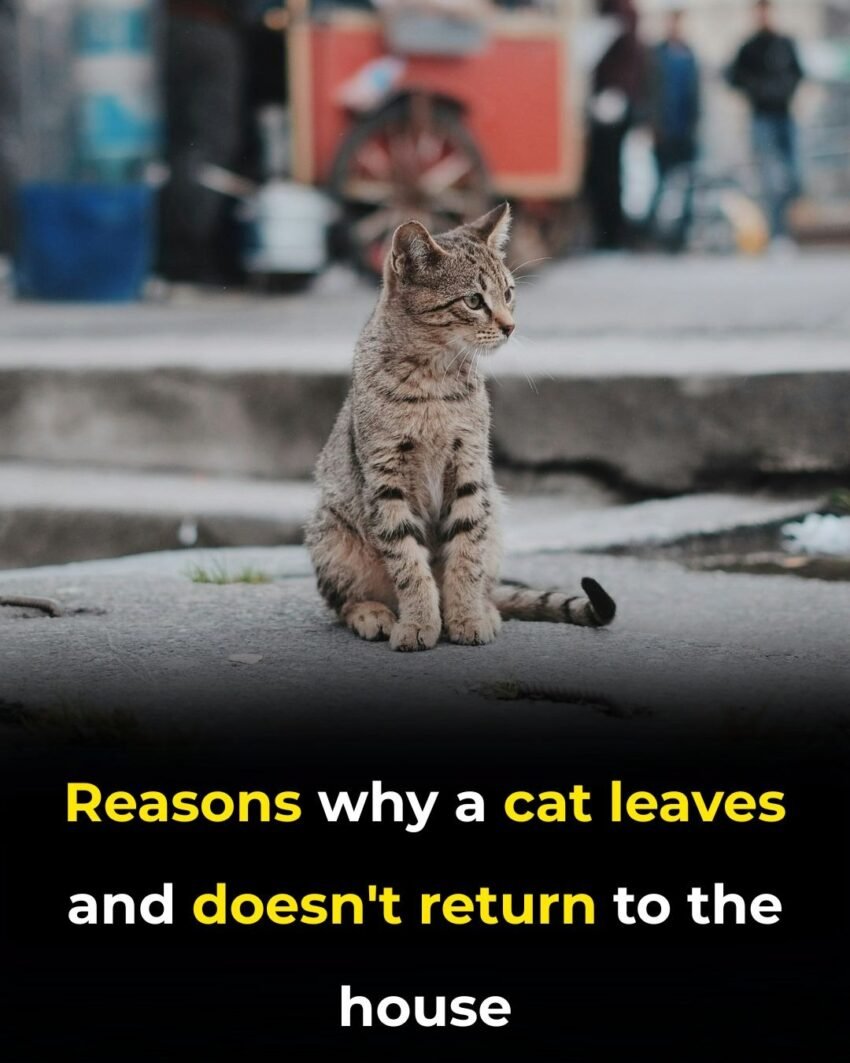
Cats leaving home and not returning can be alarming, but it usually has understandable reasons rooted in behavior, health, or environment. Here’s a detailed breakdown:
1. Exploration and Territory
- Cats are naturally territorial but curious. A cat may wander far from home to explore new areas, especially if they are young or not neutered/spayed.
- Unfamiliar environments can sometimes delay their return.
2. Mating Instincts
- Unneutered or unspayed cats are driven by the instinct to find a mate.
- During mating season, they may roam several miles, ignoring their usual home territory.
3. Stress or Fear
- Loud noises, new people, or other animals can scare a cat into fleeing.
- Once a cat is scared, it may hide nearby or move far from home and not return immediately.
4. Health Issues
- Illness, injury, or age-related conditions may cause disorientation.
- A sick cat might hide somewhere safe and quiet, sometimes far from home.
5. Hunting Instincts
- Outdoor cats often follow their hunting instincts, chasing birds, rodents, or insects.
- If they get lost while hunting, they may struggle to find their way back.
6. Lack of Familiar Markers
- Cats navigate using scent markers and familiar landmarks.
- Construction, landscaping, or new animals in the area can confuse them, leading to longer absences.
7. Accidents or Traps
- Unfortunately, outdoor cats may encounter traffic, predators, or people who unintentionally trap them.
- Always check local shelters if a cat doesn’t return.
8. Desire for Independence
- Some cats have strong independent personalities and may leave for days at a time just to roam.
- Older cats sometimes do this less, but younger or adventurous cats may treat wandering as normal.
Tips to Reduce the Risk
- Neuter/spay your cat to reduce roaming.
- Keep your cat indoors or supervised outdoors, especially at night.
- Provide toys, scratching posts, and enrichment to reduce boredom.
- Microchip your cat and use a collar with ID tags.
- Make your yard more enticing and safe with shelters or cat-safe enclosures.
💡 Observation: If a cat leaves and doesn’t return for more than 24–48 hours, check neighbors, shelters, and online lost-pet communities. Most cats that wander too far are found within a mile of home.
If you want, I can make a “Why Cats Disappear” checklist that summarizes all the reasons and solutions in a simple, easy-to-follow format. This is great for quick reference for worried cat owners. Do you want me to do that?
