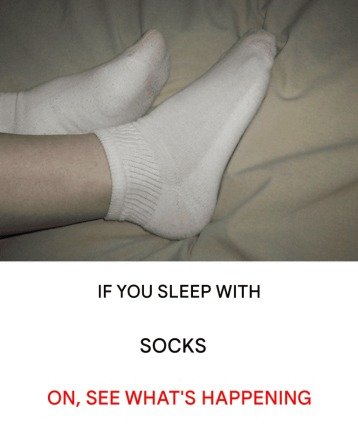
Wearing socks at home may seem like a small thing, but for seniors, it can make a meaningful difference in safety, comfort, circulation, and overall health. Here’s why many doctors and caregivers recommend it.
🧦 1. Reduces the Risk of Falls
Falls are one of the leading causes of injury among seniors.
- Socks—especially non-slip or grip socks—provide traction on smooth floors
- Bare feet can slide easily on tile, wood, or laminate
- Even a small slip can lead to fractures or long recovery times
👉 Best choice: socks with rubber grips on the soles.
🦶 2. Protects Aging Skin
As we age:
- Skin becomes thinner and more fragile
- Small cuts or scrapes heal more slowly
- Foot injuries are easier to miss, especially with reduced sensation
Socks act as a protective barrier against:
- Scratches
- Minor bumps
- Dryness and cracking (especially at the heels)
❄️ 3. Helps Maintain Body Temperature
Seniors often feel cold more easily because:
- Circulation slows with age
- The body has a harder time regulating temperature
Cold feet can:
- Disrupt sleep
- Increase discomfort
- Contribute to stiffness or cramps
Keeping feet warm helps the body stay warm overall—and can even improve sleep quality.
❤️ 4. Supports Healthy Circulation
Good circulation is essential, especially for older adults.
- Warm feet encourage better blood flow
- Cold feet can cause blood vessels to constrict
- Gentle compression socks (if recommended by a doctor) can help reduce swelling
⚠️ Avoid tight socks that leave deep marks—they can restrict circulation.
🦠 5. Improves Hygiene & Foot Health
Wearing clean socks at home can:
- Absorb sweat
- Reduce odor-causing bacteria
- Lower the risk of fungal infections
- Keep feet cleaner if walking on floors shared with pets or visitors
Changing socks daily is key.
🛌 6. Can Improve Sleep
Studies show that warm feet help signal the body it’s time to sleep.
For seniors who:
- Wake frequently at night
- Have cold feet in bed
- Struggle to fall asleep
…wearing socks can make falling and staying asleep easier.
👣 7. Helps With Reduced Sensation
Some seniors experience:
- Neuropathy
- Reduced feeling in the feet
- Diabetes-related nerve changes
Socks provide:
- A layer of protection from unnoticed injuries
- Gentle cushioning while walking
✅ What Kind of Socks Are Best for Seniors?
- Non-slip (grip) socks for safety
- Breathable cotton or bamboo for comfort
- Seamless or loose-top socks to avoid irritation
- Moisture-wicking for foot health
Avoid worn-out socks or those with tight elastic bands.
🧠 Bottom Line
For seniors, wearing socks at home isn’t just about comfort—it’s about:
✔ Preventing falls
✔ Protecting fragile skin
✔ Staying warm
✔ Supporting circulation
✔ Improving sleep and hygiene
It’s a simple habit that can help maintain independence and safety.
If you’d like, I can also explain which socks to avoid, how socks help with neuropathy, or the difference between grip socks and slippers.
