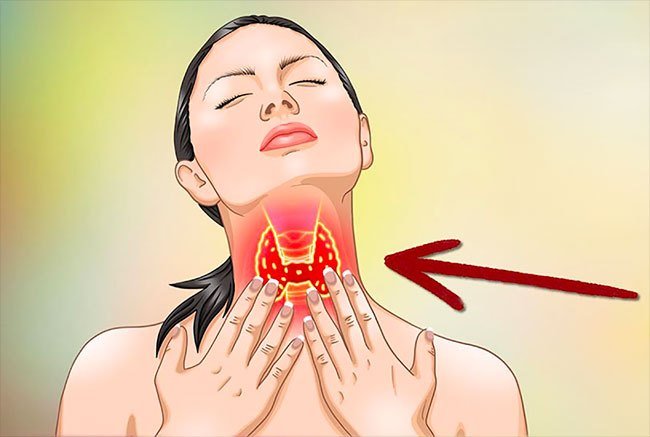
If you have Hypothyroidism or Hashimoto’s Disease, certain vitamins and minerals can support thyroid function and overall health—but they are not a cure and don’t replace prescribed medication (like levothyroxine).
Here’s a clear, evidence-based look at 5 key nutrients that matter:
🧠 5 Important Vitamins & Nutrients
1. 🧂 Iodine
Role:
- Essential for making thyroid hormones (T3 and T4)
Important:
- Too little → worsens hypothyroidism
- Too much → can worsen Hashimoto’s
👉 In many cases, especially with Hashimoto’s, extra iodine is NOT recommended unless a deficiency is confirmed.
Sources: Iodized salt, dairy, seafood
2. 🌰 Selenium
Role:
- Helps convert inactive thyroid hormone (T4) into active form (T3)
- Supports immune balance in Hashimoto’s
Evidence:
- May reduce thyroid antibodies in some people with Hashimoto’s
Sources: Brazil nuts (very rich), eggs, fish
3. ☀️ Vitamin D
Role:
- Supports immune system regulation
- Low levels are common in thyroid disorders
Why it matters:
- Deficiency is often seen in Hashimoto’s Disease
Sources: Sunlight, fortified foods, supplements
4. 🩸 Iron
Role:
- Needed for thyroid hormone production
- Helps reduce fatigue
Risk:
- Low iron (especially in women) can worsen symptoms
Sources: Red meat, spinach, lentils
5. 🌿 Vitamin B12
Role:
- Supports nerve health and energy levels
Why important:
- Deficiency is common in people with Hypothyroidism
- Helps with fatigue, brain fog, and weakness
Sources: Meat, eggs, dairy
⚠️ Important Warnings
❌ Supplements Are Not a Cure
- They support health but won’t fix thyroid hormone imbalance alone
❌ Avoid Random High Doses
- Too much iodine or selenium can make things worse
❌ Always Check Levels First
- Blood tests help guide safe supplementation
💊 What Actually Treats Hypothyroidism
The main treatment is:
- Thyroid hormone replacement (e.g., levothyroxine)
Vitamins are supportive—not primary treatment.
🧠 Bottom Line
For Hypothyroidism and Hashimoto’s Disease:
- Selenium, vitamin D, iron, B12, and iodine all play roles
- Balance is crucial—more is not always better
- Proper testing + medical guidance = safest approach
If you want, I can suggest a daily diet plan or supplement routine tailored to thyroid health (based on your symptoms or lab values).
