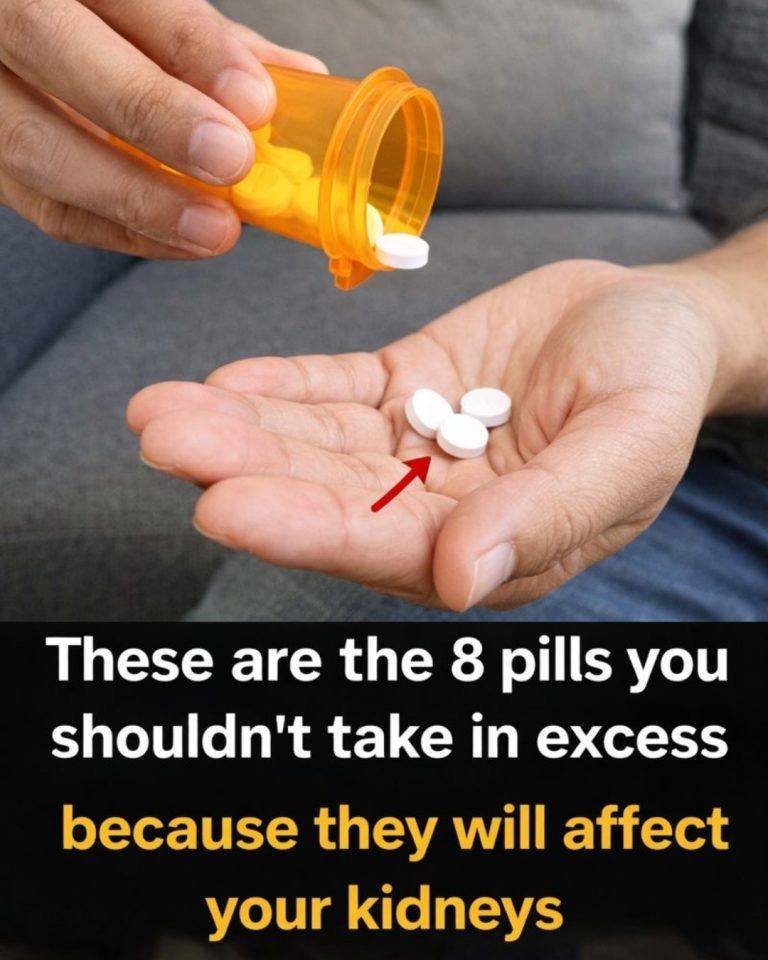
Here are 8 commonly used medications that can harm your kidneys, especially when taken without proper medical guidance. Self-medicating with these—often in higher doses, long durations, or unsafe combinations—can quietly lead to serious kidney damage.
1. Painkillers (NSAIDs)
Examples: Ibuprofen, Diclofenac, Naproxen
These reduce blood flow to the kidneys, especially dangerous if you’re dehydrated or already have kidney issues. Long-term use can lead to chronic kidney damage.
2. Certain Antibiotics
Examples: Gentamicin, Vancomycin
Some antibiotics are directly toxic to kidney cells if not dosed carefully. Risk increases in older adults or those with pre-existing kidney problems.
3. Proton Pump Inhibitors (PPIs)
Examples: Omeprazole, Esomeprazole
Used for acid reflux, long-term use has been linked to inflammation in the kidneys and increased risk of chronic kidney disease.
4. ACE Inhibitors & ARBs (Blood Pressure Medications)
Examples: Lisinopril, Losartan
While protective in many cases, these can reduce kidney function if misused or taken during dehydration or alongside NSAIDs.
5. Diuretics (“Water Pills”)
Examples: Furosemide, Hydrochlorothiazide
They can lead to dehydration and electrolyte imbalance, which strains the kidneys.
6. Contrast Dyes (Used in Imaging Tests)
Known as Contrast-enhanced CT scan dyes
These substances can temporarily or permanently impair kidney function, especially in people with diabetes or existing kidney disease.
7. Certain Antiviral & Antifungal Drugs
Examples: Acyclovir, Amphotericin B
They can crystallize in the kidneys or cause direct toxicity if hydration and dosing are not carefully managed.
8. Herbal Supplements & “Natural” Remedies
Examples: Aristolochia
Many unregulated herbal products contain hidden toxins or heavy metals that can severely damage kidneys.
⚠️ Why Self-Medicating Is Risky
- Wrong dosage → Even safe drugs become harmful
- Drug combinations → Some combos (like NSAIDs + ACE inhibitors + diuretics) can sharply reduce kidney function
- Hidden conditions → You may not know you already have reduced kidney function
- Delayed symptoms → Kidney damage often develops silently
🚨 Warning Signs of Kidney Trouble
- Swelling in legs/face
- Reduced urine output
- Fatigue or confusion
- Nausea or loss of appetite
✔️ Safer Approach
- Always consult a qualified doctor before starting or combining medications
- Stay hydrated, especially when taking medications
- Get kidney function tests if using long-term medication
- Avoid unnecessary over-the-counter drug use
If you want, I can help you check whether specific medicines you’re taking are safe for your kidneys.
