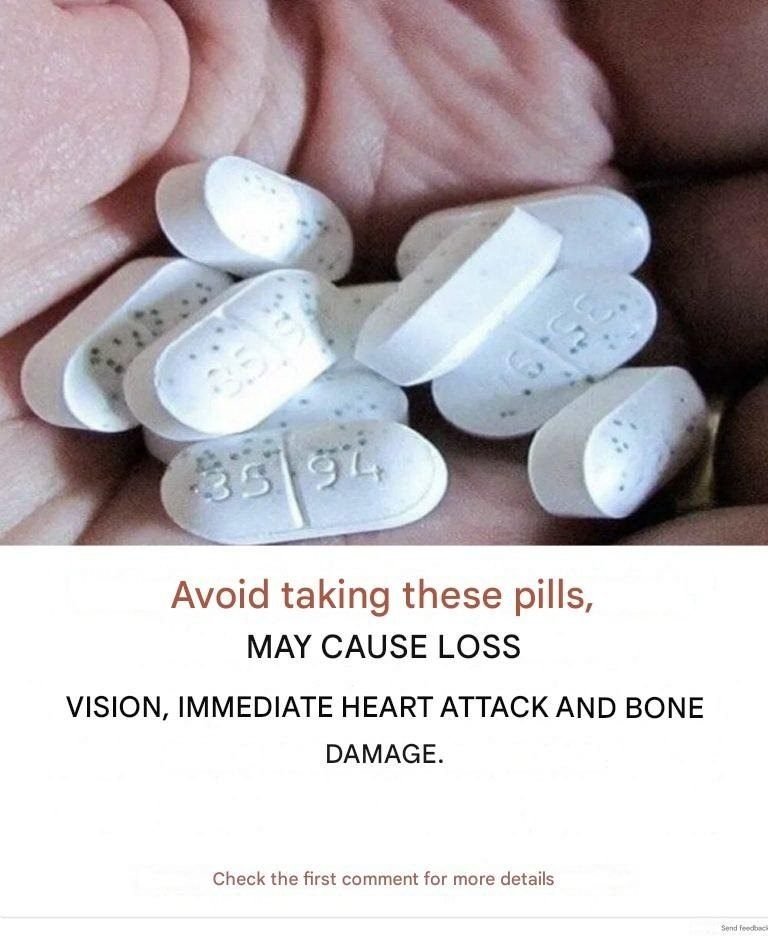
That headline is very misleading without context—because it makes it sound like any tablets will suddenly cause blood clots or heart attacks. In reality, only specific types of medications carry this risk, and even then, it depends on your health profile.
Let’s break it down clearly 👇
⚠️ The main “tablets” linked to blood clots
1. Hormonal birth control pills
These are the most commonly talked-about in viral posts.
- Especially pills containing estrogen
- Can increase clotting factors in blood (Medical News Today)
👉 Example risk:
- Higher chance of deep vein thrombosis (DVT) or lung clots
- Some types (like those with drospirenone) may have slightly higher risk (U.S. Food and Drug Administration)
💡 Important:
- The overall risk is still low for most healthy people (Medical News Today)
2. Hormone replacement therapy (HRT)
- Used during menopause
- Tablets with estrogen + progesterone can raise clot risk
👉 But:
- Doctors weigh this against benefits (symptom relief, bone health)
3. Certain cancer or hormone medications
- Some drugs increase clotting tendency
- Risk depends heavily on the underlying disease (like cancer itself)
4. Rare cases: other medications
A few drugs may indirectly increase risk:
- Some steroids
- Some antipsychotics
- Certain chemotherapy drugs
👉 But these are not common everyday tablets
❗ What about “heart attacks”?
Blood clots can block arteries → causing:
- Heart attack
- Stroke
But this usually happens when:
- You already have risk factors (smoking, obesity, genetics, immobility)
🧠 Important reality check
✔️ Not all tablets cause clots
✔️ Risk depends on:
- Age
- Smoking
- Weight
- Family history
- Medical conditions
👉 Example:
A healthy young person on birth control has much lower risk than someone who smokes + has clotting disorders.
🔄 Irony: some tablets PREVENT clots
Medications like:
- Warfarin
- Apixaban
👉 Are specifically used to stop clots and prevent heart attacks/strokes (Cleveland Clinic)
🚨 When to take warnings seriously
Seek medical help if you notice:
- Leg swelling or pain
- Sudden chest pain
- Shortness of breath
These can signal dangerous clots.
✅ Bottom line
- The headline is fear-based clickbait
- Some medications (especially hormonal ones) can slightly increase clot risk
- But for most people, the benefits outweigh the risks
- Doctors assess your personal risk before prescribing
If you want, tell me the exact tablet name you saw—I can explain the real risk for that specific one (no hype, just facts).
