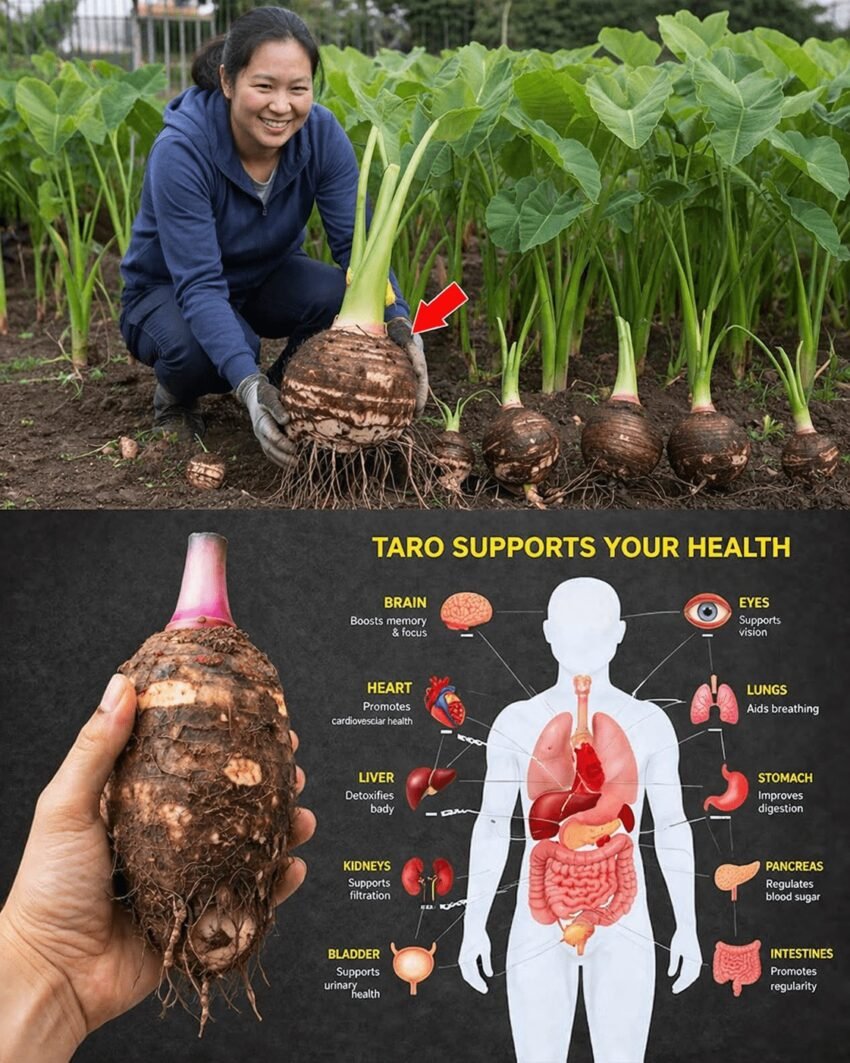
Here’s a comprehensive, article‑style overview on taro — the underrated superfood that could transform your energy levels, digestion, and overall wellness based on nutrition science and health expert insights.
Taro: The Underrated Superfood That Could Transform Your Energy, Digestion, and Overall Wellness
Taro — also known as arbi, dasheen, or eddoe in different parts of the world — is a starchy root vegetable that’s been cultivated for thousands of years in Asia, Africa, the Pacific Islands, and beyond. Once considered a humble staple, this tuber is emerging as a nutrient powerhouse with wide‑ranging benefits for energy, digestion, metabolism, and long‑term health.(WebMD)
🌱 What Is Taro?
Taro (Colocasia esculenta) is a root crop with a rough brown skin and creamy or light purple flesh. When cooked, it develops a mildly sweet, nutty flavor and a texture similar to potato. It’s versatile in cooking — from curries and stews to boiled sides, chips, and even sweet desserts.(Healthline)
Important: Taro should never be eaten raw — it contains calcium oxalate crystals that can irritate the mouth and throat. Cooking fully neutralizes these compounds, making it safe and delicious.(WebMD)
💪 Why Taro Is a Superfood
Although often overlooked compared with other root vegetables, taro packs impressive nutrition and health‑promoting qualities.
🥔 1. Steady, Sustained Energy Source
Taro is rich in complex carbohydrates — especially resistant starch and fiber — which break down slowly in the body. This provides a steady release of glucose into the bloodstream, helping prevent mid‑day energy crashes and promote long‑lasting energy throughout the day.(Healthline)
Unlike simple sugars, these complex carbs help keep blood sugar more stable, which is especially important for people managing energy and metabolic health.(Healthline)
🍽️ 2. Excellent for Digestion and Gut Health
One of taro’s standout features is its high dietary fiber content, which is typically more than twice that of comparable starchy vegetables like potatoes. Fiber helps:
- Add bulk to stool and promote regular bowel movements
- Reduce constipation and digestive discomfort
- Feed beneficial gut bacteria as prebiotic fiber
- Support a healthy microbiome and colon function
Some of taro’s resistant starch acts like a prebiotic — feeding good gut bacteria and supporting the production of short‑chain fatty acids that nourish intestinal cells.(Healthline)
❤️ 3. Heart and Metabolic Health Support
Taro’s nutritional profile includes:
- High potassium — important for regulating blood pressure
- Dietary fiber and resistant starch — may help lower cholesterol
- Low fat and nutrient‑dense carbs
Together, these components support cardiovascular health by reducing blood pressure and cholesterol levels and helping the body manage healthy weight.(Healthline)
🍎 4. Blood Sugar Regulation
Despite being a carbohydrate‑rich food, taro’s fiber and resistant starch slow digestible carbohydrate absorption. This can blunt post‑meal blood sugar spikes, which is particularly beneficial for people with diabetes or those looking to maintain balanced glucose levels.(Healthline)
🧠 5. A Nutrient‑Dense Root
Taro is a rich source of several essential vitamins and minerals, including:
- Manganese — supports metabolism and bone health
- Vitamin B6 and vitamin E — important for immune function
- Potassium and magnesium — support nerve and muscle health
- Vitamin C — antioxidant that supports immunity and skin health
These nutrients help support energy production, cellular function, and overall wellness.(Healthline)
🛡️ 6. Antioxidants and Potential Protective Effects
Taro contains antioxidants such as polyphenols and quercetin, which combat oxidative stress — a key factor in aging and chronic disease development. Some early research even suggests potential anticancer activity in laboratory settings, although more human studies are needed.(Healthline)
🌿 7. Weight Management Benefits
Because taro’s fiber and resistant starch help you feel full longer, it may help reduce overeating and support healthy calorie control — both important factors for weight management.(Healthline)
🍲 How to Enjoy Taro
Taro is incredibly versatile and can fit into many diets:
- Boiled or steamed — a simple and nutritious side
- Roasted or baked — brings out natural flavors
- Made into chips — healthier alternative to potato chips
- Used in stews or curries — adds texture and nutrition
- Pureed (like poi) — classic Hawaiian preparation
Culinary creativity means you can enjoy taro in both savory and sweet forms.(Healthline)
⚠️ Precautions and Tips
- Always cook taro thoroughly to remove irritants.
- If you have specific carbohydrate or glucose concerns (e.g., diabetes), balance taro servings with other foods.
- Taro is gluten‑free, making it suitable for many with dietary restrictions.(WebMD)
🧠 Conclusion — Why Taro Deserves a Place in Your Diet
Often overshadowed by more popular starches, taro is a nutrient‑rich, energy‑supporting superfood that delivers benefits for digestion, blood sugar control, heart health, and overall wellness. Its unique combination of complex carbohydrates, fiber, antioxidants, and essential vitamins and minerals makes it a smart choice for anyone looking to enhance everyday nutrition in a natural, delicious way.(Healthline)
If you’d like, I can also provide easy and healthy recipes using taro to help you incorporate it into your meals. Just let me know!
