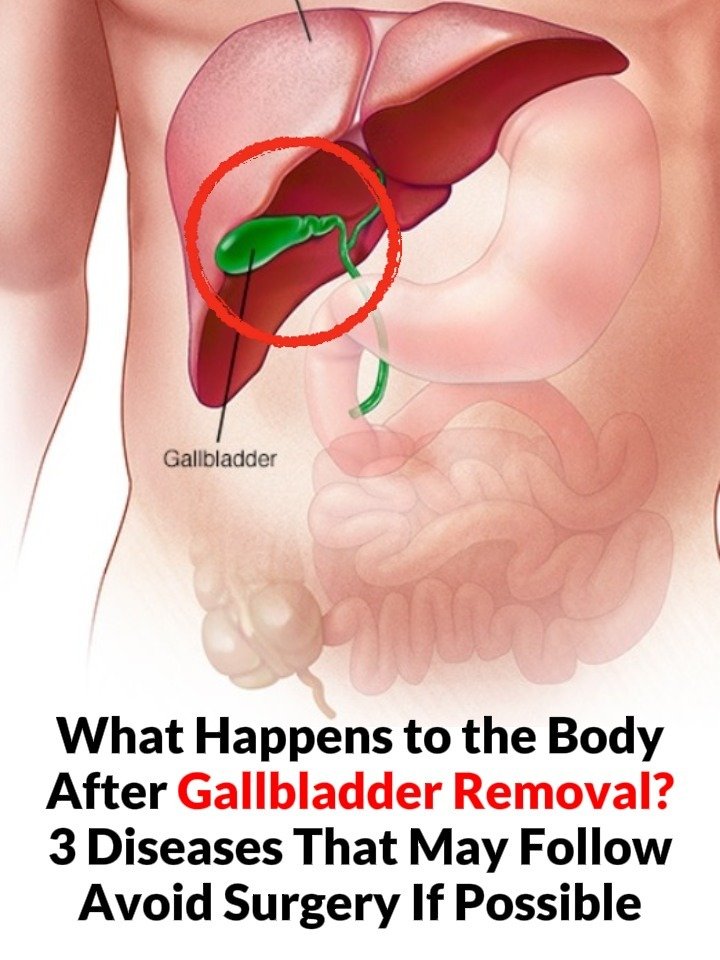
🏥 What Happens to Your Body After Gallbladder Removal?
Gallbladder removal surgery (called Cholecystectomy) is common and often necessary—especially for painful Gallstones. But it does change how your digestive system works, and some people notice long-term effects.
Let’s break it down clearly and realistically.
🧠 First: What the gallbladder actually does
The gallbladder stores bile made by your liver and releases it when you eat fatty foods.
After removal:
- Bile flows continuously into your intestines
- There’s no storage or controlled release
👉 Most people adapt well—but not everyone.
⚙️ What changes in your body
1. Digestion becomes less efficient (especially for fats)
Without bile storage:
- Fat digestion may be less effective
- You may feel bloating or discomfort after heavy meals
2. More frequent bowel movements
Some people develop:
- Loose stools
- Urgency after eating
This is often called Postcholecystectomy syndrome
3. Bile constantly irritates the gut
Since bile drips continuously:
- It can irritate the intestines
- May lead to diarrhea in some individuals
⚠️ 3 conditions that may develop afterward
It’s important: these are possible, not guaranteed.
1. 🟠 Bile reflux
Bile reflux
- Bile flows back into the stomach
- Symptoms:
- Burning stomach pain
- Nausea
- Vomiting bile
👉 Can feel similar to acid reflux, but it’s different
2. 🟡 Chronic diarrhea
Chronic diarrhea
- Happens due to constant bile flow
- Usually mild, but persistent in some people
3. 🔵 Increased risk of metabolic issues
Some studies suggest a higher risk of:
- Nonalcoholic fatty liver disease
- Changes in cholesterol metabolism
👉 The link exists, but it’s not guaranteed and depends on lifestyle.
🟢 Important reality check
Despite these risks:
✔ Most people live completely normal lives
✔ Many feel much better after surgery (especially if they had severe pain)
🚫 “Avoid surgery if possible” — is that true?
It depends on your condition.
You might avoid surgery if:
- Gallstones are small and not causing symptoms
- Symptoms are mild and manageable
But surgery is often necessary if:
- Frequent pain attacks
- Infection or inflammation
- Blocked bile ducts
👉 In serious cases, delaying surgery can be dangerous.
🥗 How to support your body after removal
If you’ve had surgery (or want to reduce symptoms):
- Eat smaller, more frequent meals
- Limit high-fat and fried foods
- Increase fiber gradually
- Stay hydrated
- Maintain a healthy weight
🧾 Bottom line
- Gallbladder removal changes bile flow—but your body adapts
- Some digestive issues can occur, but are usually manageable
- Surgery should not be avoided if medically necessary
If you want, I can help you decide whether surgery makes sense in your specific situation—or suggest a diet plan to manage gallstones naturally.
