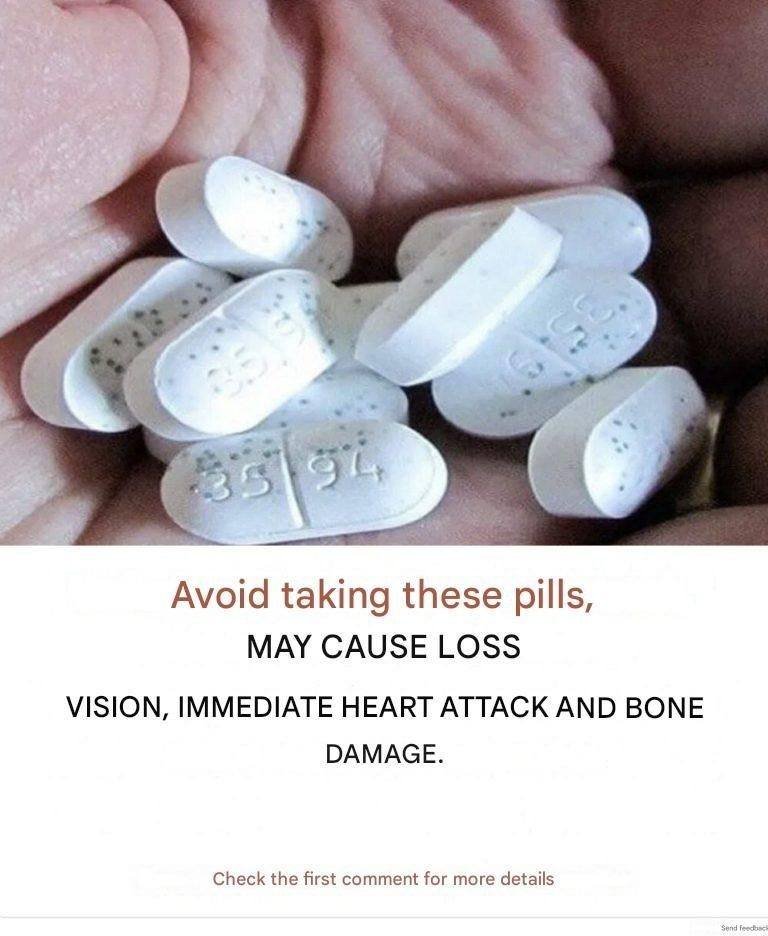
It’s understandable to be concerned—headlines like that are often overly broad or alarmist. The reality is more nuanced: some medications can increase the risk of blood clots or heart problems, but this depends on the type of drug, dose, and your personal risk factors.
Let’s break it down clearly.
⚠️ Medications that can increase clot or heart risk
1. Hormonal contraceptives
Examples: Birth control pills containing estrogen
These are the most commonly discussed.
- Can increase risk of Blood clots
- Rarely linked to Heart attack or stroke
Higher risk if you:
- Smoke
- Are over 35
- Have obesity or clotting disorders
👉 Important: For most healthy young women, the risk is still low
2. Hormone replacement therapy (HRT)
Used during menopause
- Slightly increases risk of:
- Blood clots
- Stroke
3. Certain painkillers (NSAIDs)
Such as high-dose ibuprofen or diclofenac
- Linked to increased risk of:
- Heart attack
- Stroke (especially with long-term use)
4. Some cancer treatments
- Can make blood more prone to clotting
5. Erythropoiesis-stimulating agents
(Used for anemia in specific conditions)
- Can raise clot risk in some patients
🧠 What is a “blood clot” exactly?
A Blood clot forms when blood thickens and clumps.
Dangerous types include:
- Deep vein thrombosis (DVT)
- Pulmonary embolism (when clot travels to lungs)
🚨 Warning signs to never ignore
Seek urgent medical help if you notice:
- Sudden chest pain
- Shortness of breath
- Swelling or pain in one leg
- Sudden weakness or speech trouble
These could signal a Heart attack or serious clot.
🟢 Important perspective
- These risks are real but usually small
- Millions of people take these medications safely
- Doctors prescribe them only when benefits outweigh risks
❗ Don’t do this
Avoid:
- Stopping medication suddenly
- Believing generalized warnings without context
✅ What you should do
- Talk to a doctor about your personal risk
- Share your history (smoking, family clotting disorders, etc.)
- Ask about safer alternatives if concerned
🧾 Bottom line
Yes—some tablets can increase the risk of clots and heart problems, but:
- The risk depends heavily on who you are and what you’re taking
- For most people, these medications are safe when properly prescribed
If you tell me the specific tablet or medicine name, I can give you a much more precise and honest risk assessment.
