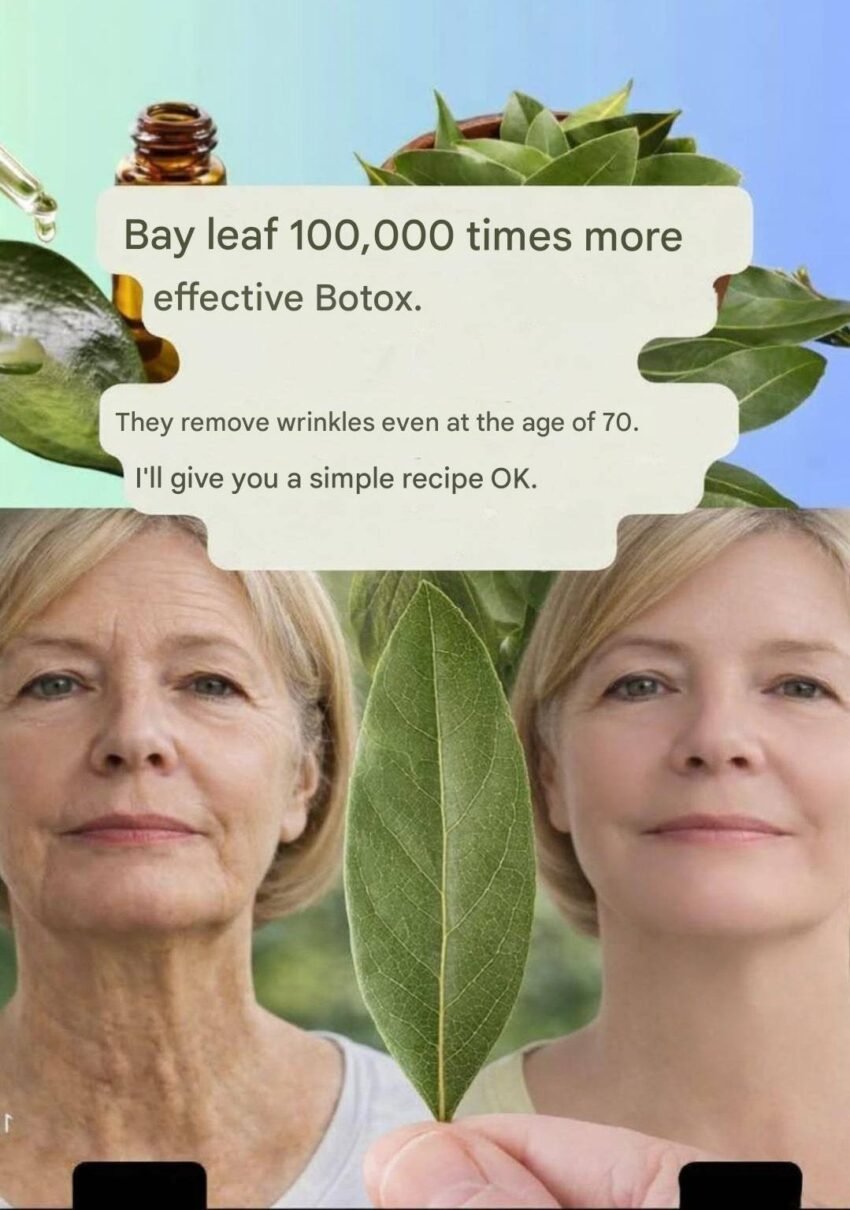
The claim “bay leaf is the secret of youth” is a classic wellness exaggeration. Bay leaves do have real medicinal and nutritional compounds, but they are not a “youth-preserving secret” in any scientific sense.
Here’s a comprehensive, evidence-based breakdown of what bay leaf actually does.
🌿 Bay Leaf (“Tej Patta”) — Real Facts vs Viral Claims
Bay leaf comes from plants like Laurus nobilis and is commonly used in cooking for aroma and flavor. In South Asia, it is also part of traditional herbal systems.
🧪 1) What’s inside bay leaves?
Bay leaves contain bioactive compounds such as:
- Eugenol (anti-inflammatory, antioxidant)
- Linalool (calming aroma compound)
- Flavonoids (antioxidants)
- Polyphenols (cell-protective plant compounds)
- Small amounts of vitamins and minerals
👉 These compounds are why bay leaf is studied in herbal medicine.
🧠 2) “Anti-aging” / youth claims — what’s true?
What viral posts mean:
They suggest bay leaf can:
- reduce wrinkles
- reverse aging
- make skin “younger”
- detox the body
Reality:
Bay leaf does not reverse aging or “restore youth.”
BUT it may support processes related to healthy aging:
✔ Antioxidants reduce oxidative stress
✔ Anti-inflammatory compounds may support cell health
✔ May help digestion (which indirectly affects skin health)
👉 So the truth is:
It may support healthy aging pathways, not stop aging itself.
🩸 3) Blood sugar support (most studied benefit)
Some research suggests bay leaf may help:
- improve insulin sensitivity
- reduce post-meal blood sugar spikes
- support metabolic balance
This is linked to compounds that may influence glucose metabolism.
Relevant to metabolic conditions like Type 2 Diabetes.
👉 Important:
This is supportive, not a replacement for medication or diet control.
🍽️ 4) Digestion benefits
Traditionally used for:
- reducing bloating
- improving digestion
- stimulating appetite
- easing gas
Why:
Essential oils in bay leaf may stimulate digestive enzymes.
🧠 5) Brain & calming effects
Compounds like linalool may have mild effects on:
- relaxation
- stress reduction (aromatherapy use)
- improved sleep quality (indirectly)
👉 But again: mild, not medicinal sedation.
🧂 6) Anti-inflammatory properties
Bay leaf contains antioxidants that may help:
- reduce inflammation markers in lab studies
- support immune balance
But:
✔ mostly shown in extracts or lab settings
❌ not strong enough from normal cooking amounts to treat disease
❤️ 7) Heart health (indirect support)
Bay leaf may indirectly support cardiovascular health by:
- improving lipid metabolism in some studies
- reducing oxidative stress
- supporting blood sugar control (important for heart risk factors)
But it is not a heart treatment herb.
⚠️ 8) Safety and misconceptions
Safe when:
✔ used in cooking (curries, rice, soups)
✔ used in normal tea quantities
Not safe when:
❌ swallowed whole (can be sharp and hard to digest)
❌ used in excessive concentrated extracts without guidance
🚫 9) Myth vs reality summary
| Viral Claim | Reality |
|---|---|
| “Secret of youth” | No scientific proof |
| “Reverses aging” | False |
| “Detoxes body completely” | Misleading (liver/kidneys already do this) |
| “Supports health” | Partly true (antioxidant + digestion benefits) |
🌿 Final conclusion
Bay leaf is best described as:
A culinary herb with mild medicinal properties, mainly helpful for digestion, antioxidant support, and possibly blood sugar balance.
It is not a youth serum or anti-aging miracle, but it is still a healthy spice when used properly.
If you want, I can also break down:
- 🌿 Bay leaf tea benefits and side effects
- 🌿 Cinnamon vs bay leaf for blood sugar
- 🌿 Top 10 “anti-aging” foods that are actually evidence-based
Just tell me 👍
