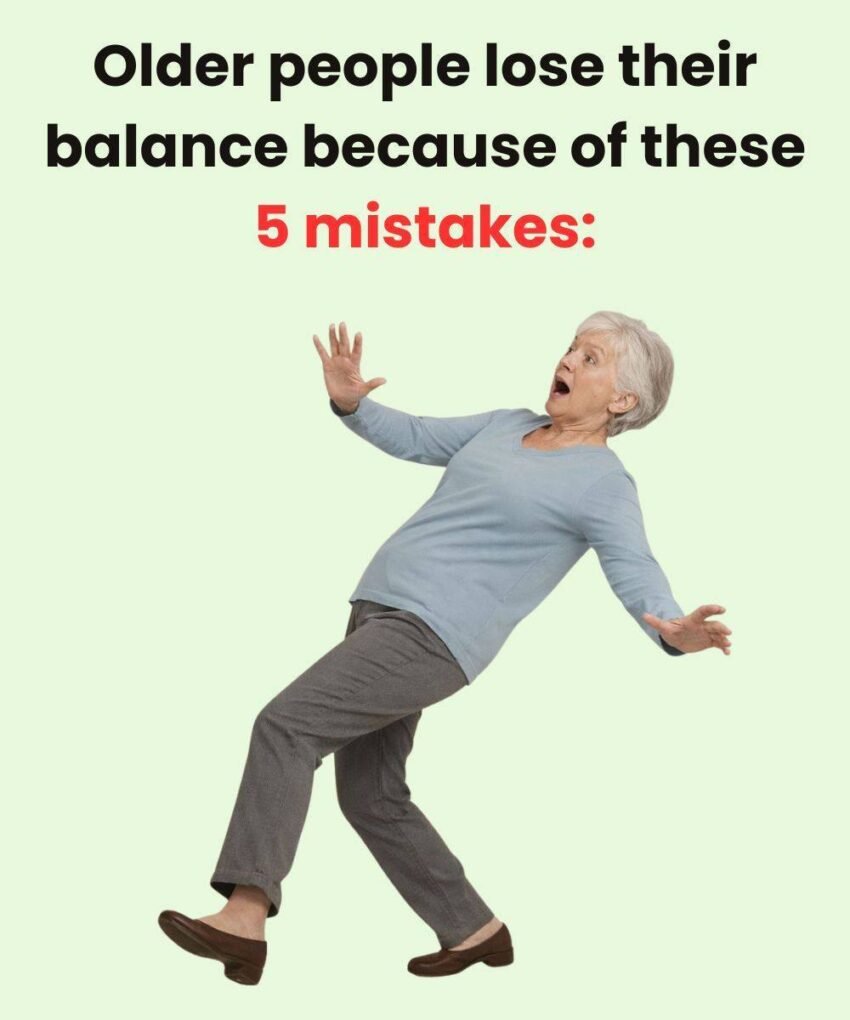
Common Mistakes That Affect Balance in Older Adults
Balance problems are one of the leading causes of falls among older adults, often resulting in injuries and reduced independence. While aging naturally affects stability, many balance issues are made worse by everyday habits that can be corrected.
Here are some of the most common mistakes—and how to avoid them.
1. Ignoring Physical Activity
One of the biggest contributors to poor balance is a lack of movement. As muscles weaken and joints stiffen, stability declines.
Why it matters:
Weak leg and core muscles make it harder to stay upright and react to sudden movements.
What helps:
Simple exercises like walking, stretching, or practices such as Tai Chi can significantly improve coordination and stability.
2. Wearing Improper Footwear
Shoes that are too loose, too tight, or slippery can increase the risk of falls.
Common mistakes:
- Wearing worn-out slippers
- Using shoes with smooth soles
- Walking barefoot on slick floors
Better choice:
Supportive, non-slip shoes with good grip.
3. Not Checking Vision and Hearing
Vision and hearing play a crucial role in maintaining balance.
The issue:
Poor eyesight or hearing can make it harder to detect obstacles or maintain spatial awareness.
Tip:
Regular eye and ear check-ups help prevent avoidable balance issues.
4. Taking Medications Without Monitoring Side Effects
Certain medications can cause dizziness, drowsiness, or drops in blood pressure.
Examples of side effects:
- Lightheadedness
- Slowed reaction time
- Blurred vision
These can directly increase fall risk, especially when multiple medications are combined.
5. Poor Home Safety Setup
Many falls happen at home due to simple hazards.
Common risks:
- Loose rugs
- Poor lighting
- Cluttered walkways
- Slippery bathrooms
Simple fixes:
- Install grab bars
- Use non-slip mats
- Keep frequently used items within reach
6. Rushing Movements
Standing up too quickly or rushing while walking can cause dizziness or loss of balance.
Related condition:
Orthostatic Hypotension, where blood pressure drops suddenly when standing.
Advice:
Take your time when changing positions, especially from sitting or lying down.
7. Not Staying Hydrated
Dehydration can lead to weakness, dizziness, and confusion.
Impact on balance:
- Reduced muscle function
- Increased risk of fainting
Drinking enough water throughout the day supports overall stability.
8. Ignoring Early Warning Signs
Many older adults dismiss small balance issues until a fall occurs.
Warning signs include:
- Frequent stumbling
- Feeling unsteady
- Needing support while walking
Addressing these early can prevent serious injuries.
Final Thoughts
Balance problems are not just a part of aging—they are often influenced by daily habits and environmental factors. By avoiding these common mistakes and making small lifestyle changes, older adults can maintain independence and reduce the risk of falls.
If you’d like, I can also provide a simple daily balance routine or a fall-prevention checklist tailored for home use.
