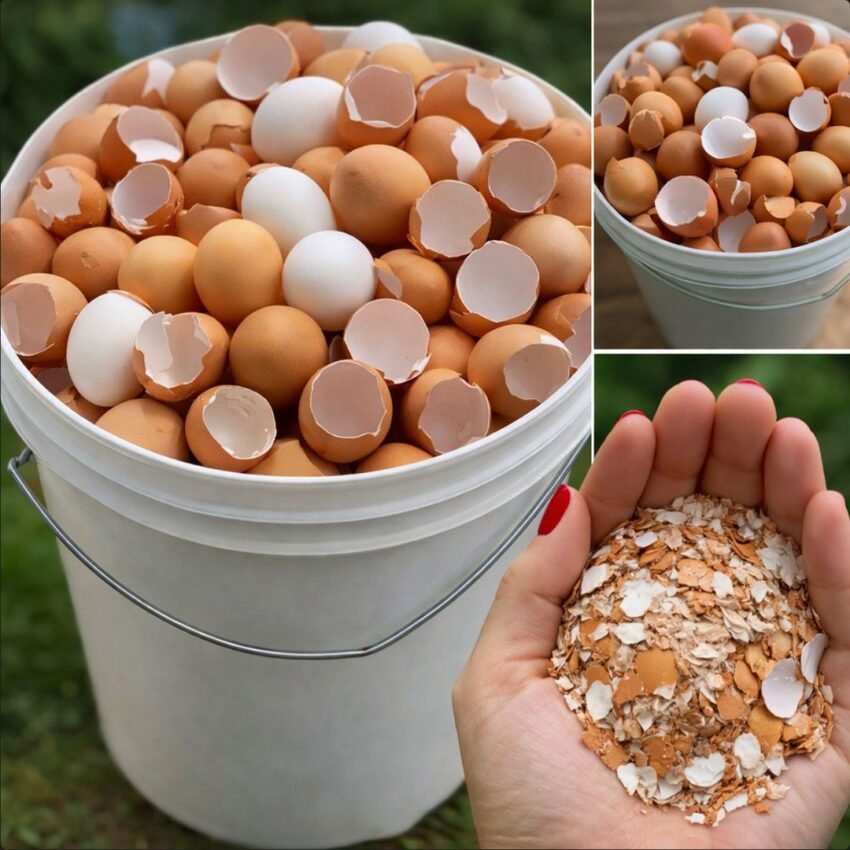
That headline—“Stop throwing eggshells away. Boil them and say goodbye to…”—is another viral claim that mixes a bit of truth with a lot of exaggeration. Eggshells can be useful, but they’re not a miracle remedy.
Let’s look at what’s actually worth doing.
What Are Eggshells Made Of?
Eggshells are mostly Calcium Carbonate, the same type of calcium found in many supplements.
Real Uses of Eggshells (That Actually Make Sense)
1. Garden Fertilizer 🌱
- Crushed eggshells add calcium to soil
- Helpful for plants like tomatoes and chilies
How to use:
- Wash, dry, crush, and mix into soil
2. Natural Cleaning Scrub
- Crushed shells act as a mild abrasive
- Useful for cleaning pots and pans
3. Compost Boost
- Break down slowly and enrich compost
4. Pest Deterrent (Limited Effect)
- Crushed shells may discourage some insects
- Not highly reliable, but harmless to try
What About Boiling Eggshells to Drink?
This is where the claim usually goes too far.
The idea:
Boiling eggshells releases calcium into water.
The reality:
- Yes, a small amount of calcium can leach into the water
- But it’s not a reliable or safe calcium source
Risks of Drinking Eggshell Water
1. Bacteria Risk
Eggshells can carry bacteria like Salmonella infection if not properly sterilized.
2. Contamination
- Shells may contain dirt or residues
- Boiling doesn’t always remove everything
3. Too Much Calcium (If Overused)
Excess calcium can lead to:
- Kidney strain
- Digestive issues
Better Ways to Get Calcium
Instead of eggshells, safer options include:
- Milk or yogurt
- Leafy greens
- Proper supplements (if needed)
Bottom Line
Eggshells are:
- ✔ Great for gardening and household use
- ❌ Not a recommended home remedy to drink
Boiling them won’t “cure” diseases or replace proper nutrition.
If you want, I can share simple, safe home remedies that actually help older adults (for bones, digestion, and energy) without risky trends.
