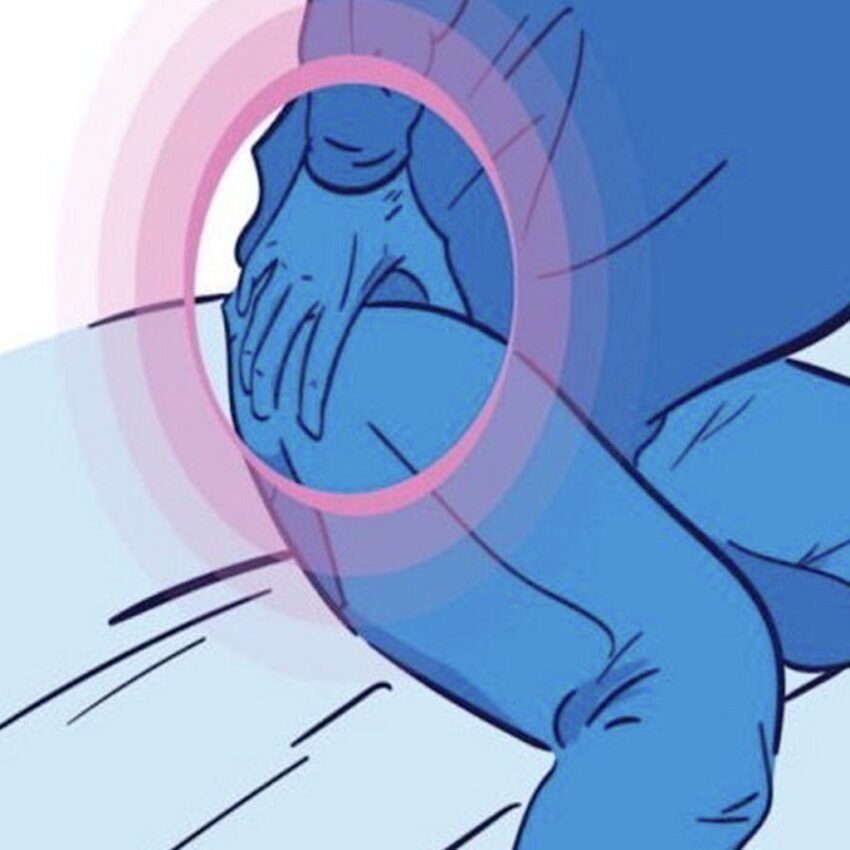
Here’s an article‑style explanation about hip pain—what it is, what causes it, how it’s diagnosed, and when to seek help—based on trusted medical sources:
🦴 What Is Hip Pain?
Hip pain refers to discomfort felt in or around the hip joint, which is where the upper thigh bone (femur) meets the pelvis. Because the hip is a ball‑and‑socket joint that supports body weight during movement, even small problems there can cause pain, stiffness, or difficulty moving. Pain may be felt directly over the hip, or it may be referred to the groin, thigh, or buttock. (Cleveland Clinic)
📍 Hip Anatomy (Brief)
- The hip joint is one of the largest in the body and is surrounded by muscles, tendons, ligaments, bursae (fluid‑filled sacs), cartilage, and nerves. (MedicineNet)
- Healthy cartilage prevents bone‑on‑bone friction and allows smooth movement. (MedicineNet)
❓ Common Causes of Hip Pain
Hip pain isn’t a single disease—it’s a symptom of various underlying issues. These can be injury‑related, inflammatory, degenerative, or structural. (Cleveland Clinic)
🟡 1. Arthritis
- Osteoarthritis: Wear and tear of joint cartilage is the most common long‑term cause, especially in older adults, leading to pain, stiffness, and reduced motion. (Healthline)
- Rheumatoid arthritis: An autoimmune condition that inflames the joint lining. (Healthline)
🔴 2. Bursitis
- Inflammation of a bursa (small fluid‑filled sac) near the hip causes pain, especially with movement. (Cleveland Clinic)
🔵 3. Tendon or Muscle Strains
- Overuse or injury to tendons and muscles that support the hip can cause pain, often after physical activity. (Healthline)
⚪ 4. Fractures and Trauma
- Hip fractures, especially in older adults with weaker bones, cause sudden, severe pain and often require urgent care. (MedlinePlus)
🟠 5. Labral Tears
- The labrum, a ring of cartilage around the hip joint, can tear due to injury or repetitive motion, causing pain and limited mobility. (WebMD)
🟣 6. Structural & Less Common Conditions
- Abnormal bone shapes (like femoroacetabular impingement), nerve pinching (e.g., sciatica), or conditions like avascular necrosis (loss of blood supply to bone) can also be causes. (Healthline)
🔎 Typical Symptoms
Symptoms depend on the cause, but may include:
- Sharp or dull pain in the hip, groin, thigh, or buttock. (WebMD)
- Pain with movement or weight bearing. (WebMD)
- Stiffness and reduced mobility. (nhs.uk)
- Clicking, catching, or grinding sensations. (Dignity Health)
🧠 How Is Hip Pain Diagnosed?
A healthcare provider will:
- Take a medical history (onset, type, location of pain). (Healthline)
- Perform a physical exam (motion, strength, gait). (Healthline)
- Order imaging tests if needed — X‑rays, MRI, ultrasound, or CT scans — to view bones, cartilage, and soft tissues. (Healthline)
🩹 Treatment Options
Treatment depends on the cause and severity:
🧰 Home Remedies
- Rest and avoid activities that make pain worse. (Cleveland Clinic)
- Over‑the‑counter pain relievers like NSAIDs (e.g., ibuprofen) or acetaminophen. (Cleveland Clinic)
- Ice or heat therapy for muscle or tendon pain. (Cleveland Clinic)
🤸 Physical Therapy
- Targeted exercises strengthen muscles and improve mobility. (Healthline)
💊 Medications & Injections
- Anti‑inflammatory drugs, corticosteroids, or disease‑specific meds can help with arthritis and inflammation. (WebMD)
🏥 Surgery
- Required in severe cases like fractures, major tears, or advanced arthritis (e.g., hip replacement). (Cleveland Clinic)
🚨 When to Seek Medical Help
Contact a healthcare provider if:
- Pain persists for several days or gradually worsens. (Cleveland Clinic)
- You’re unable to walk or bear weight. (MedlinePlus)
- There’s significant swelling, deformity, or inability to move the hip. (nhs.uk)
- Pain is accompanied by fever, redness, or warmth (possible infection). (nhs.uk)
🧠 Summary
Hip pain can arise from injuries, wear‑and‑tear, inflammation, structural issues, or nerve involvement. Many cases are temporary and manageable with conservative care, but persistent or severe pain deserves medical evaluation to prevent long‑term disability and ensure optimal treatment. (Cleveland Clinic)
If you want, I can add a section specifically on hip pain in older adults vs. younger people or talk about exercises and lifestyle tips to prevent hip discomfort—just let me know!
