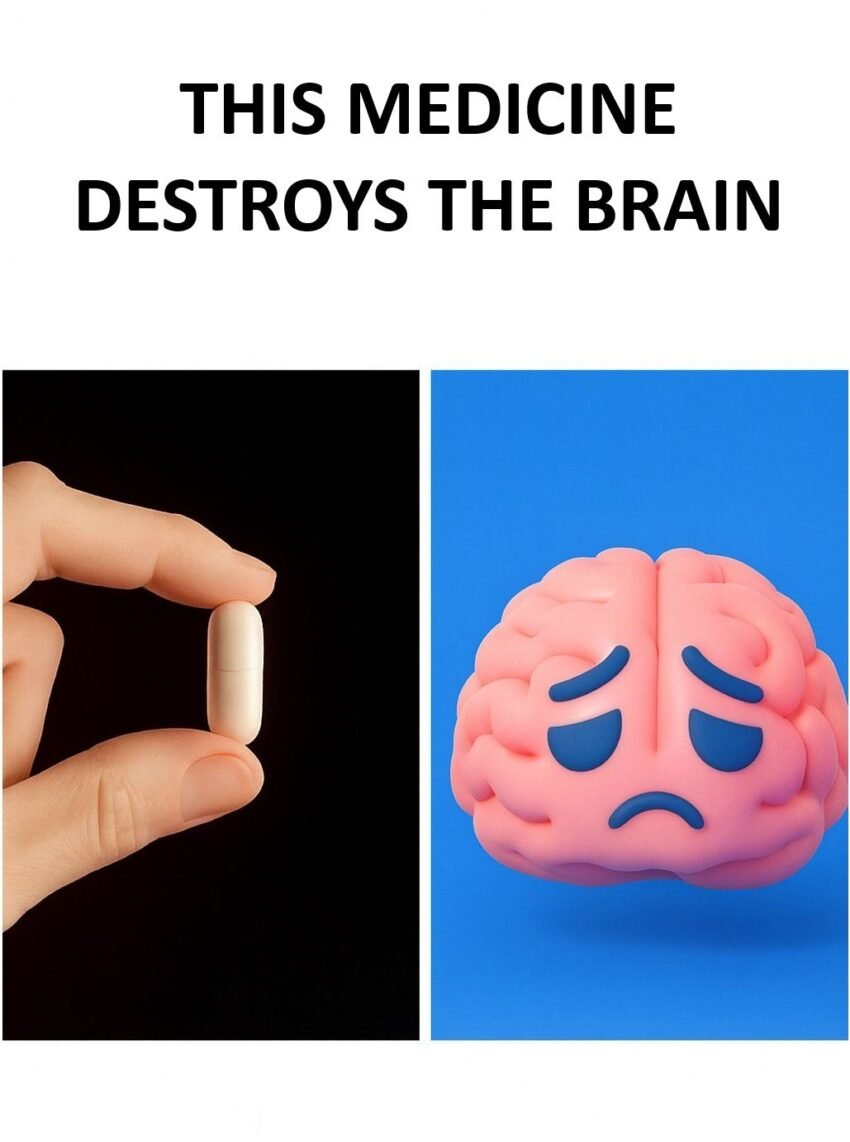
⚠️ Alert! 8 Types of Drugs Linked to Serious Dementia Risk
You may have seen headlines claiming certain medications “cause dementia.” The truth is more nuanced: many drugs are associated with an increased risk, especially when used long-term or in high doses—not necessarily direct causes. (GoodRx)
Here are 8 commonly cited drug categories that researchers warn about:
1. Anticholinergic Medications (Top Concern)
These are the biggest red flag. They block acetylcholine, a brain chemical essential for memory and learning.
Examples include:
- Allergy meds (like diphenhydramine)
- Older antidepressants
- Bladder control drugs
📌 Long-term use has been linked to significantly higher dementia risk. (GoodRx)
2. Benzodiazepines (Anxiety & Sleep Drugs)
Used for anxiety and insomnia, such as:
- Diazepam
- Lorazepam
📌 These can cause sedation and memory problems, especially in older adults. (Cleveland Clinic)
3. Sleeping Pills (Hypnotics)
Includes drugs like zolpidem (Ambien).
📌 Associated with confusion, falls, and cognitive impairment over time. (Cleveland Clinic)
4. Tricyclic Antidepressants
Older antidepressants such as:
- Amitriptyline
- Nortriptyline
📌 Strong anticholinergic effects may contribute to memory decline. (GoodRx)
5. Overactive Bladder Medications
Examples:
- Oxybutynin
- Tolterodine
📌 These also block acetylcholine and are strongly linked with dementia risk. (GoodRx)
6. Antipsychotic Drugs
Used for psychiatric conditions.
📌 Can worsen cognitive decline and are risky in older adults. (Healthline)
7. Parkinson’s Disease Medications (Anticholinergic Type)
Some drugs used for Parkinson’s symptoms affect brain signaling.
📌 Studies show increased dementia association with long-term use. (Harvard Health)
8. Proton Pump Inhibitors (Heartburn Medications)
Examples include omeprazole.
📌 Some studies suggest a possible link with dementia, though evidence is mixed. (GoodRx)
⚠️ Important Reality Check
- These drugs do not directly “cause” dementia in most cases.
- Risk increases with long-term use, high doses, and older age. (GoodRx)
- Underlying health conditions (like anxiety, insomnia, or bladder issues) may also contribute to the risk.
✅ What You Should Do
- Never stop medication suddenly without a doctor’s advice
- Ask your doctor about safer alternatives
- Review your medications regularly—especially if over age 60
🧠 Final Thought
Many everyday medicines can quietly affect brain health over time. Awareness is key—but so is balance. The goal isn’t fear, it’s informed and careful use of medications.
If you want, I can review your current medicines and tell you if any fall into these categories.
