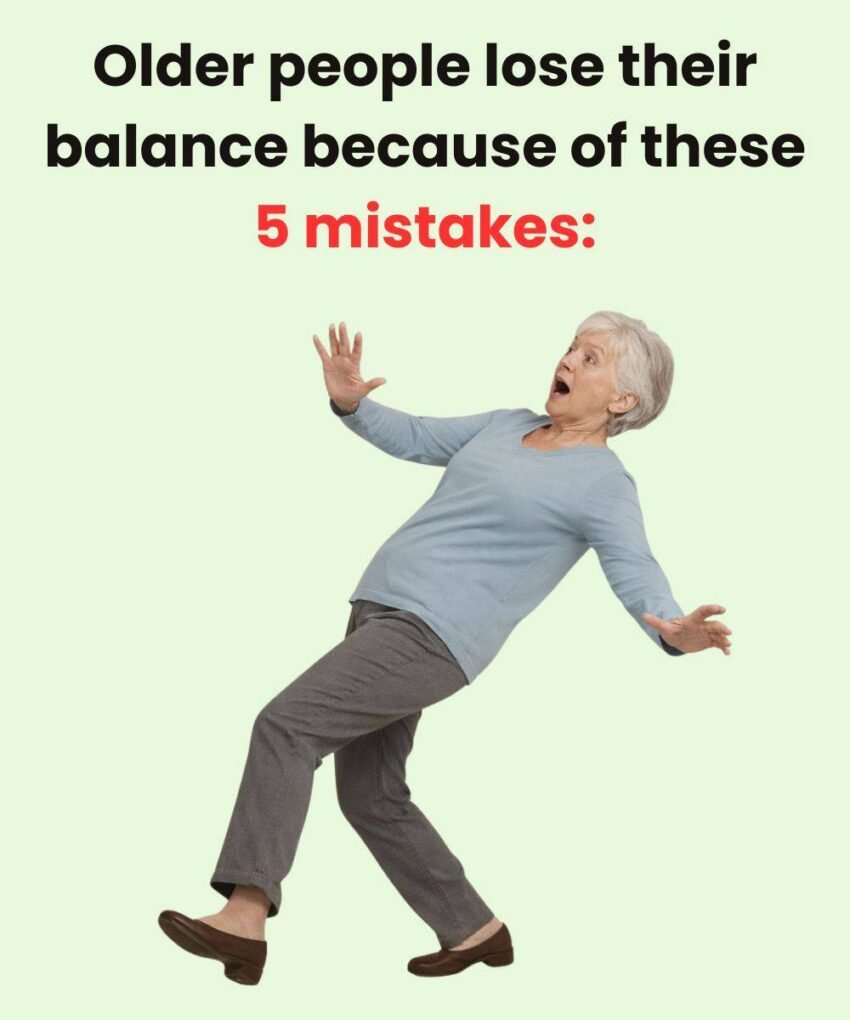
Maintaining good balance becomes more challenging with age, and certain common mistakes can significantly increase the risk of falls and injuries in older adults. Understanding these mistakes is key to preventing accidents and promoting independence.
1. Ignoring Physical Activity
One of the biggest mistakes is becoming less active. A sedentary lifestyle weakens muscles and reduces flexibility, both of which are essential for balance. Activities like walking, stretching, and strength training help maintain stability and coordination.
2. Not Practicing Balance Exercises
Many older adults focus only on general movement but neglect exercises specifically designed to improve balance. Practices such as Tai Chi and Yoga can enhance coordination, posture, and body awareness.
3. Poor Footwear Choices
Wearing shoes that lack proper support—such as loose slippers or high heels—can make walking unstable. Proper footwear with non-slip soles and good arch support is essential for maintaining balance.
4. Skipping Vision and Hearing Checks
Vision and hearing play a major role in balance. Conditions like Cataracts or Age-related hearing loss can impair spatial awareness. Regular check-ups help detect and correct these issues early.
5. Mismanaging Medications
Certain medications—or combinations of them—can cause dizziness, drowsiness, or drops in blood pressure. For example, drugs used for Hypertension or anxiety may affect balance. Always consult a healthcare provider about side effects.
6. Dehydration and Poor Nutrition
Not drinking enough fluids or lacking essential nutrients can lead to weakness and dizziness. Deficiencies in vitamin D, calcium, or protein can affect muscle strength and bone health.
7. Cluttered Living Environment
Loose rugs, poor lighting, and obstacles in walkways are common hazards. Simple home modifications—like installing grab bars and improving lighting—can significantly reduce fall risks.
8. Ignoring Chronic Health Conditions
Conditions such as Diabetes or Arthritis can affect nerve function, joint mobility, and overall stability. Proper management of these conditions is crucial.
9. Standing Up Too Quickly
Sudden movements, especially rising quickly from sitting or lying down, can cause dizziness due to a drop in blood pressure (orthostatic hypotension). Moving slowly allows the body to adjust.
10. Overconfidence or Fear of Falling
Some older adults overestimate their stability, while others become overly cautious and avoid movement altogether. Both extremes can increase fall risk—either through risky behavior or muscle weakening due to inactivity.
Conclusion
Balance problems in older adults are often preventable. Avoiding these common mistakes—by staying active, maintaining a safe environment, and managing health properly—can greatly reduce the risk of falls and improve quality of life. Regular medical check-ups and a proactive approach to health are essential for staying steady and independent.
If you want, I can also turn this into a formal essay, presentation slides, or add references for academic use.
