How to End Sciatic Pain: A Complete, Practical Guide to Relief
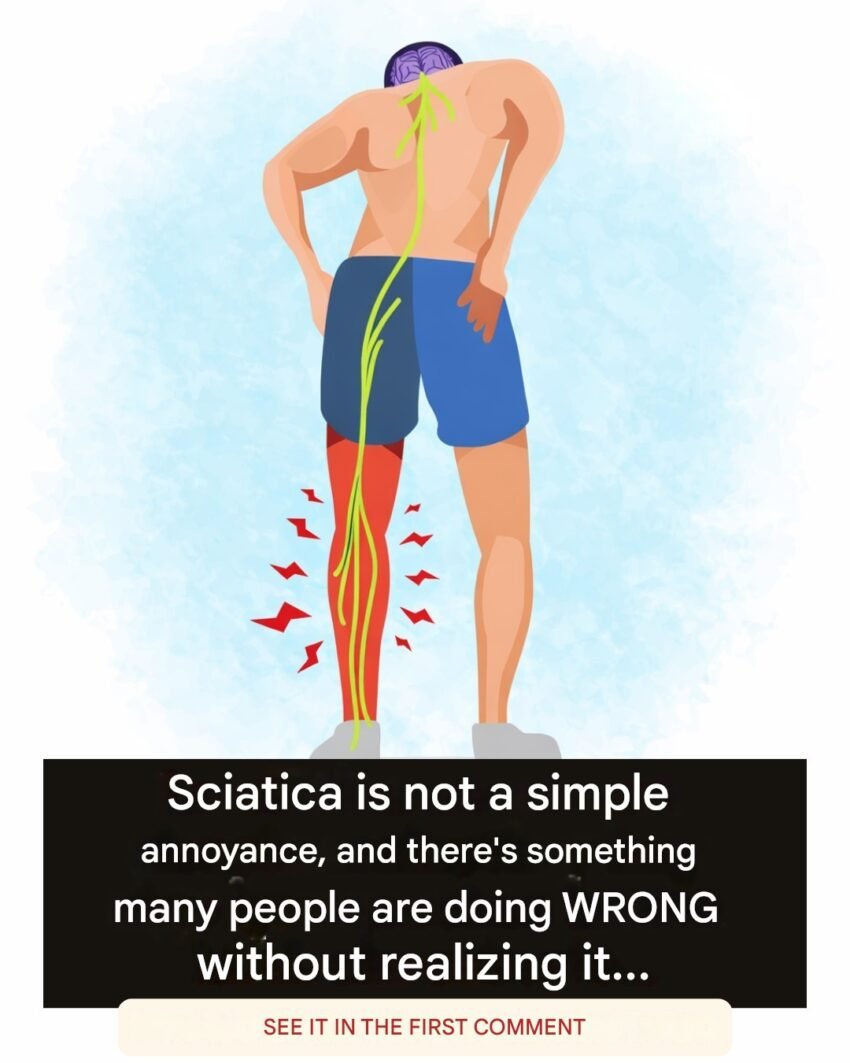
Sciatic pain—often called Sciatica—can feel like a sharp, burning, or shooting pain that runs from your lower back down through the leg. It’s not a condition itself, but a symptom of irritation or compression of the sciatic nerve.
The good news: most cases improve with the right combination of movement, care, and patience.
What causes sciatic pain?
Common triggers include:
- Herniated or slipped disc
- Muscle tightness (especially the piriformis muscle)
- Spinal narrowing (stenosis)
- Poor posture or prolonged sitting
1. Keep moving (but smartly)
Complete bed rest can actually make things worse.
Better options:
- Short walks throughout the day
- Gentle stretching
- Light activity instead of long sitting periods
Movement helps reduce nerve compression and improves blood flow.
2. Targeted stretching helps relieve pressure
Focus on stretches that release tension around the sciatic nerve:
- Piriformis Stretch
- Knee-to-Chest Stretch
- Seated Spinal Twist
Hold each stretch for 20–30 seconds without bouncing.
3. Use heat and cold therapy
- Ice packs (first 24–48 hours) → reduce inflammation
- Heat packs (afterward) → relax tight muscles
Alternate both if needed.
4. Improve posture and sitting habits
Long sitting is a major trigger.
Tips:
- Keep feet flat on the floor
- Use lumbar support
- Avoid slouching
- Take standing breaks every 30–60 minutes
5. Strengthen your core
A stronger core supports your spine and reduces nerve pressure.
Helpful exercises:
- Plank
- Glute Bridge
Start gently and increase gradually.
6. Over-the-counter pain relief (when needed)
Medications like Ibuprofen or Acetaminophen can help reduce pain and inflammation.
Always:
- Follow dosage instructions
- Avoid long-term use without medical advice
7. Sleep positions that reduce pain
Try:
- Sleeping on your side with a pillow between knees
- Lying on your back with a pillow under knees
These positions reduce pressure on the lower spine.
8. Massage and physical therapy
A trained therapist can:
- Release tight muscles
- Improve mobility
- Guide safe exercises
This is often one of the fastest ways to improve persistent pain.
9. When to see a doctor
Seek medical care if you have:
- Severe or worsening pain
- Numbness or weakness in the leg
- Loss of bladder or bowel control (urgent)
- Pain lasting more than a few weeks
10. Long-term prevention
- Maintain a healthy weight
- Stay active daily
- Lift objects properly
- Strengthen back and core muscles
Bottom line
Sciatic pain can be intense, but most cases improve without surgery. The key is consistent movement, targeted stretching, and good daily habits—not complete rest.
If you want, I can:
- create a 7-day recovery plan
- show step-by-step stretch illustrations
- or tailor advice based on where exactly your pain is (left leg, right leg, lower back, etc.)
